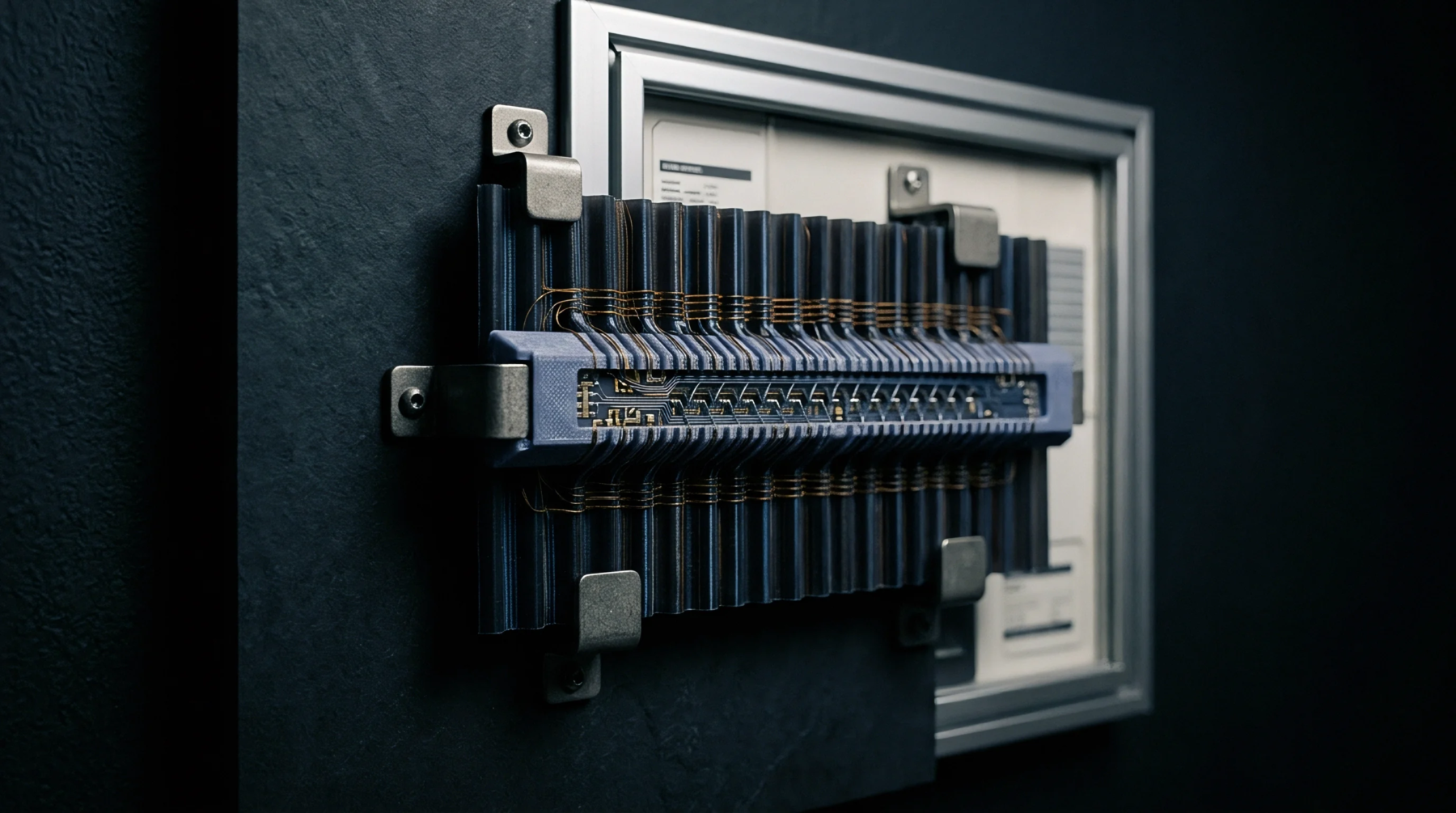
Inductive Transduction Fundamentals in Conductive Metal Inspection
Inductive metal inspection resolves surface and subsurface flaws by measuring complex impedance trajectory shifts driven by eddy current diffusion physics.
Inductive metal inspection resolves surface and subsurface flaws by measuring complex impedance trajectory shifts driven by eddy current diffusion physics.

Triaxial strain rosette signal acquisition during depaneling audits requires simultaneous 50 kHz sampling and 10 kHz anti-aliasing filtering to capture true strain peaks.
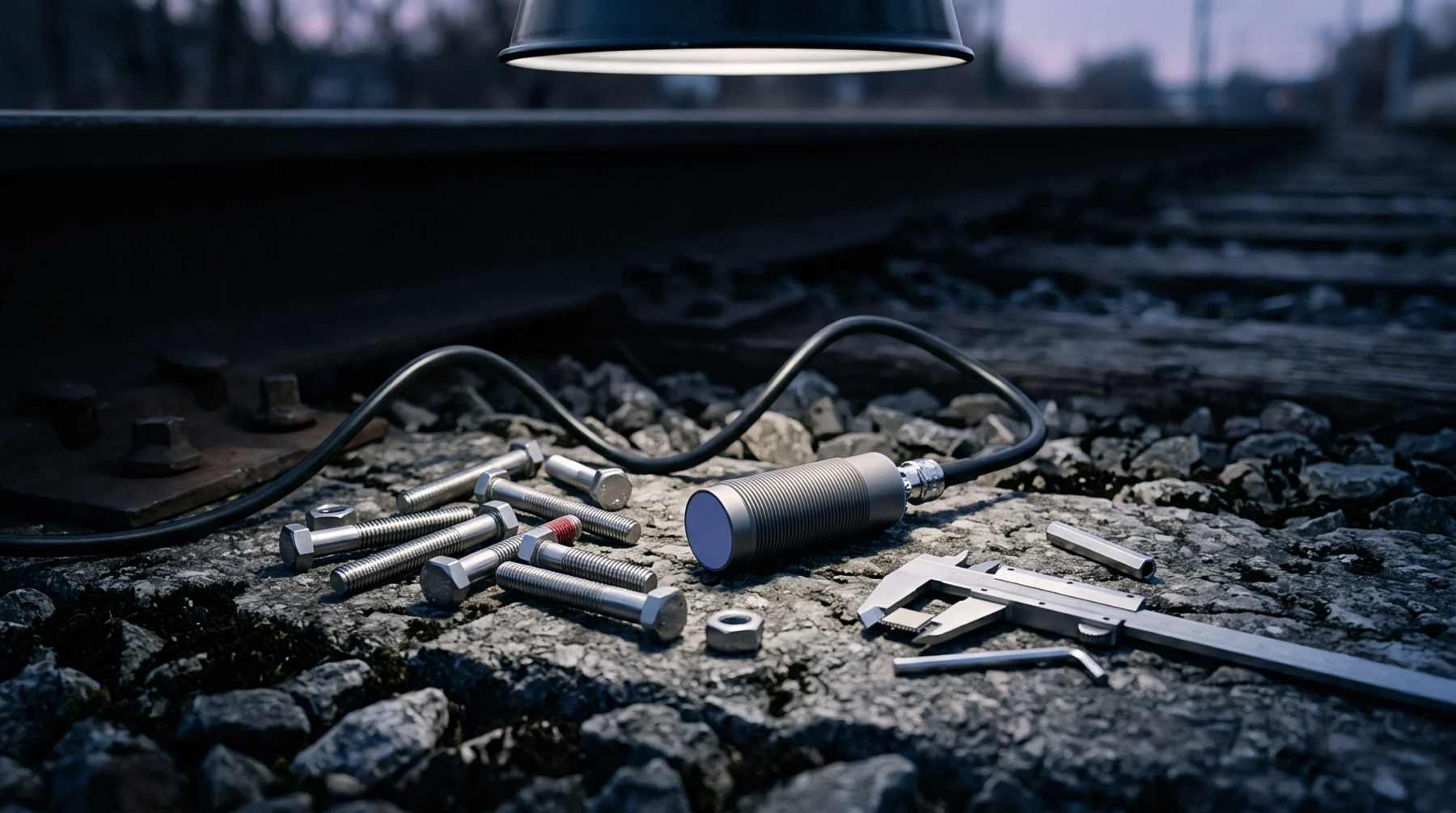
Vibration rectification in silicon MEMS accelerometers converts out-of-band mechanical excitation into direct current bias shifts through non-linear flexure stiffness, capacitive gap dynamics, and signal-chain clipping.
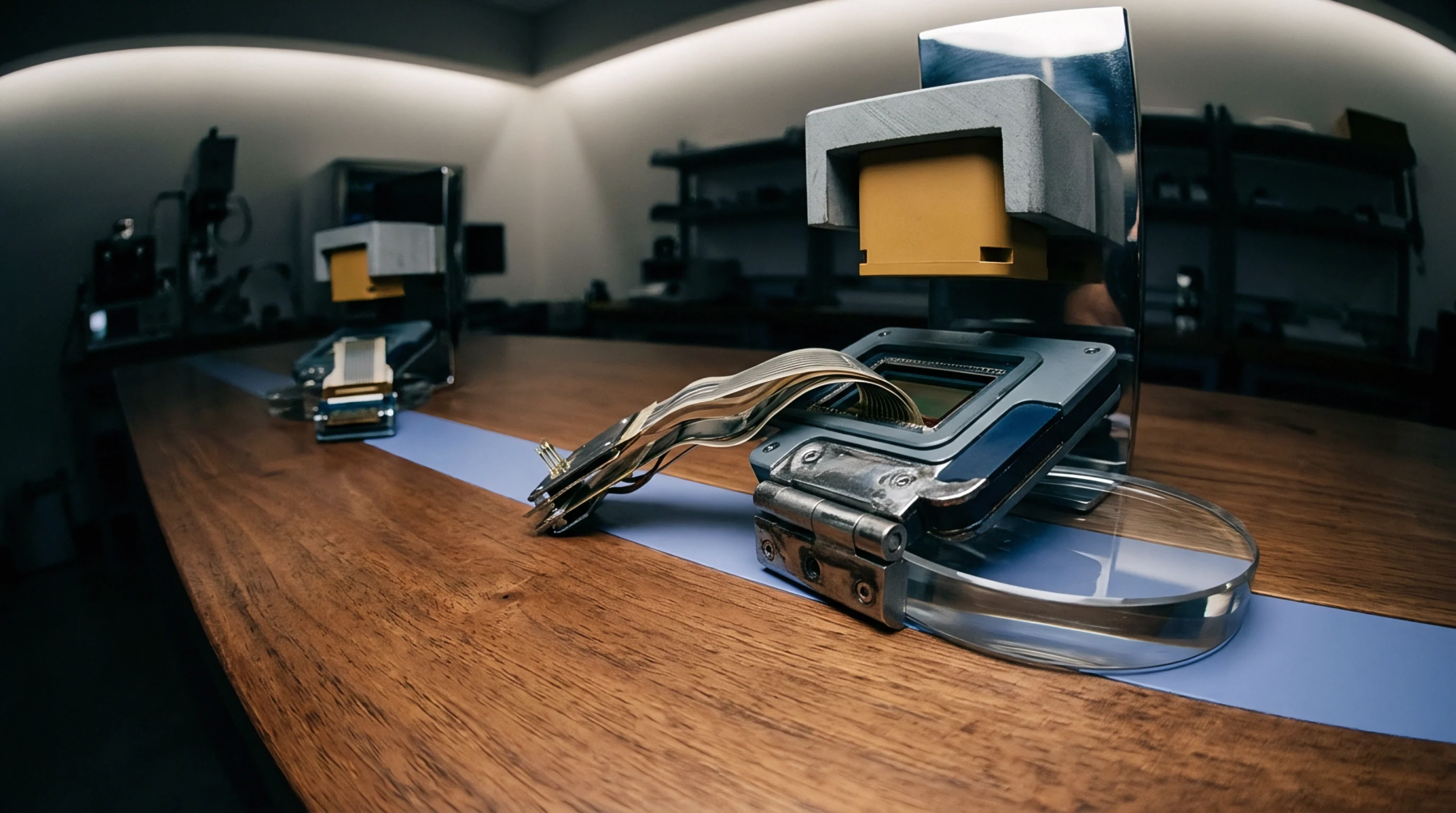
Retrofitting capacitive pressure transducers introduces hydraulic dead-volume delay and digital ASIC filter lag that erodes control loop phase margin.
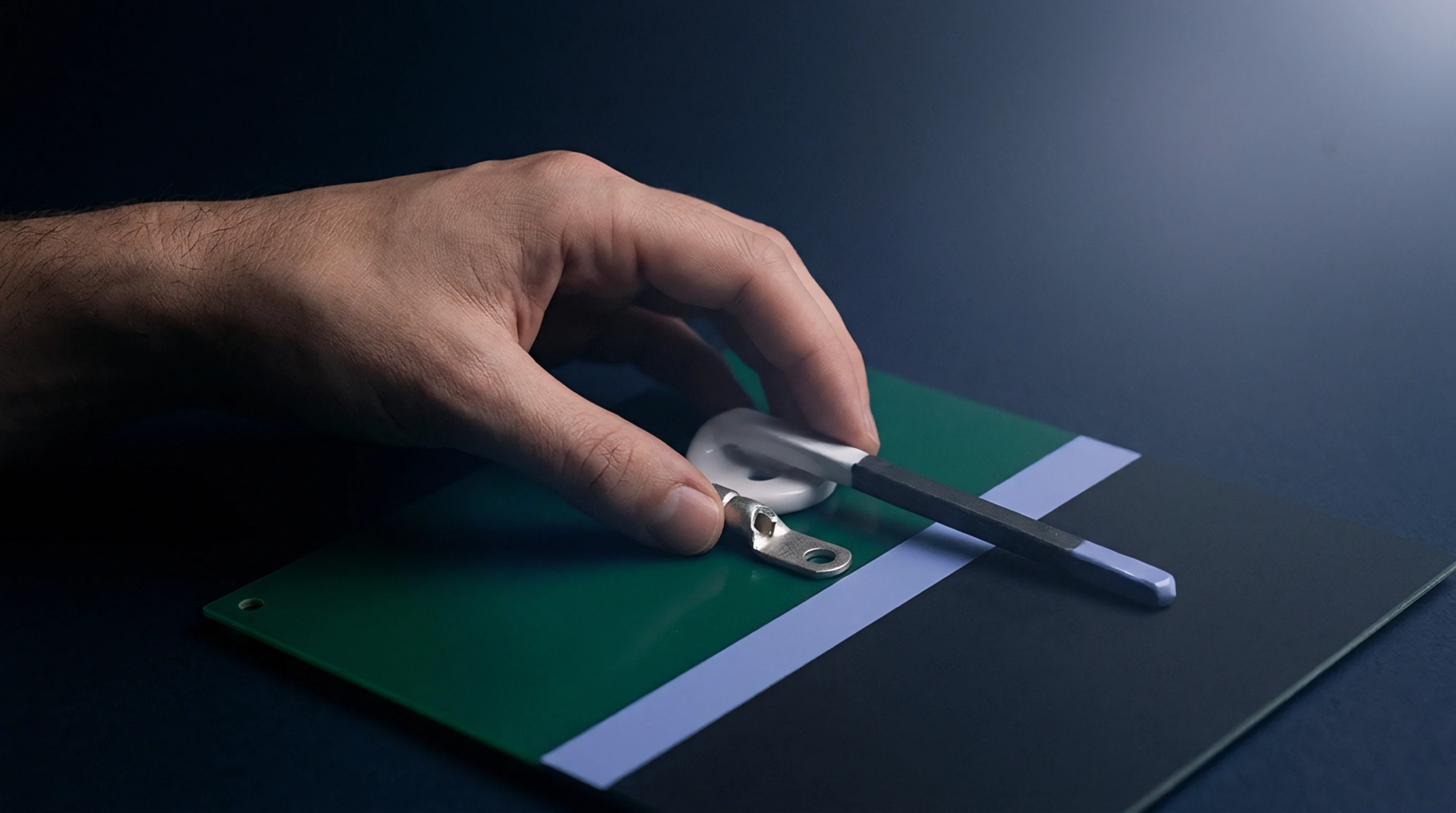
IPC-JEDEC-9704 line audits deploy triaxial strain rosettes at high-stress component corners to calculate principal strain vectors and enforce process microstrain limits.
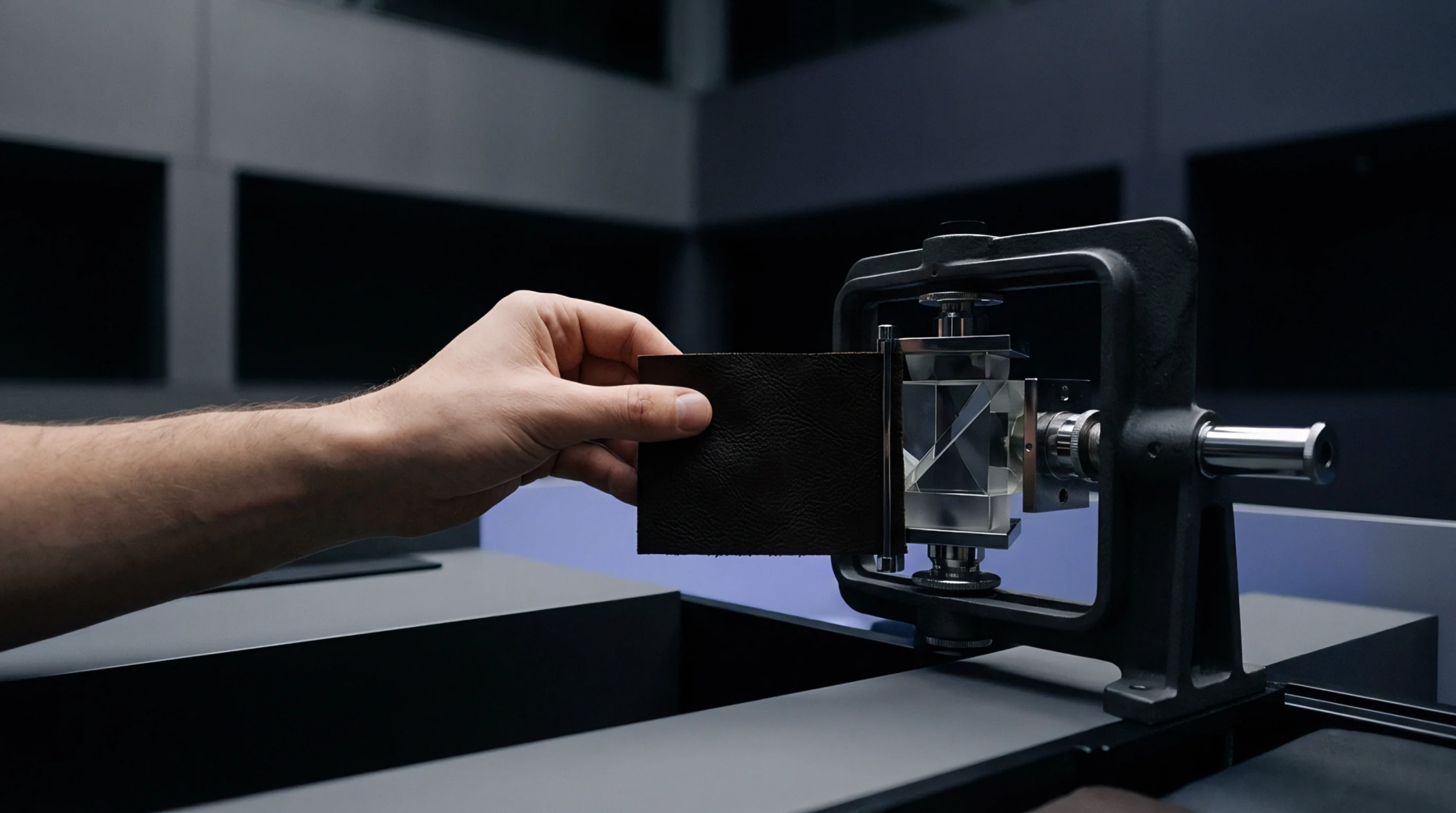
Static multi-position gravity inversion separates zero-g offset from scale factor while Allan variance bias instability defines maximum valid integration time.
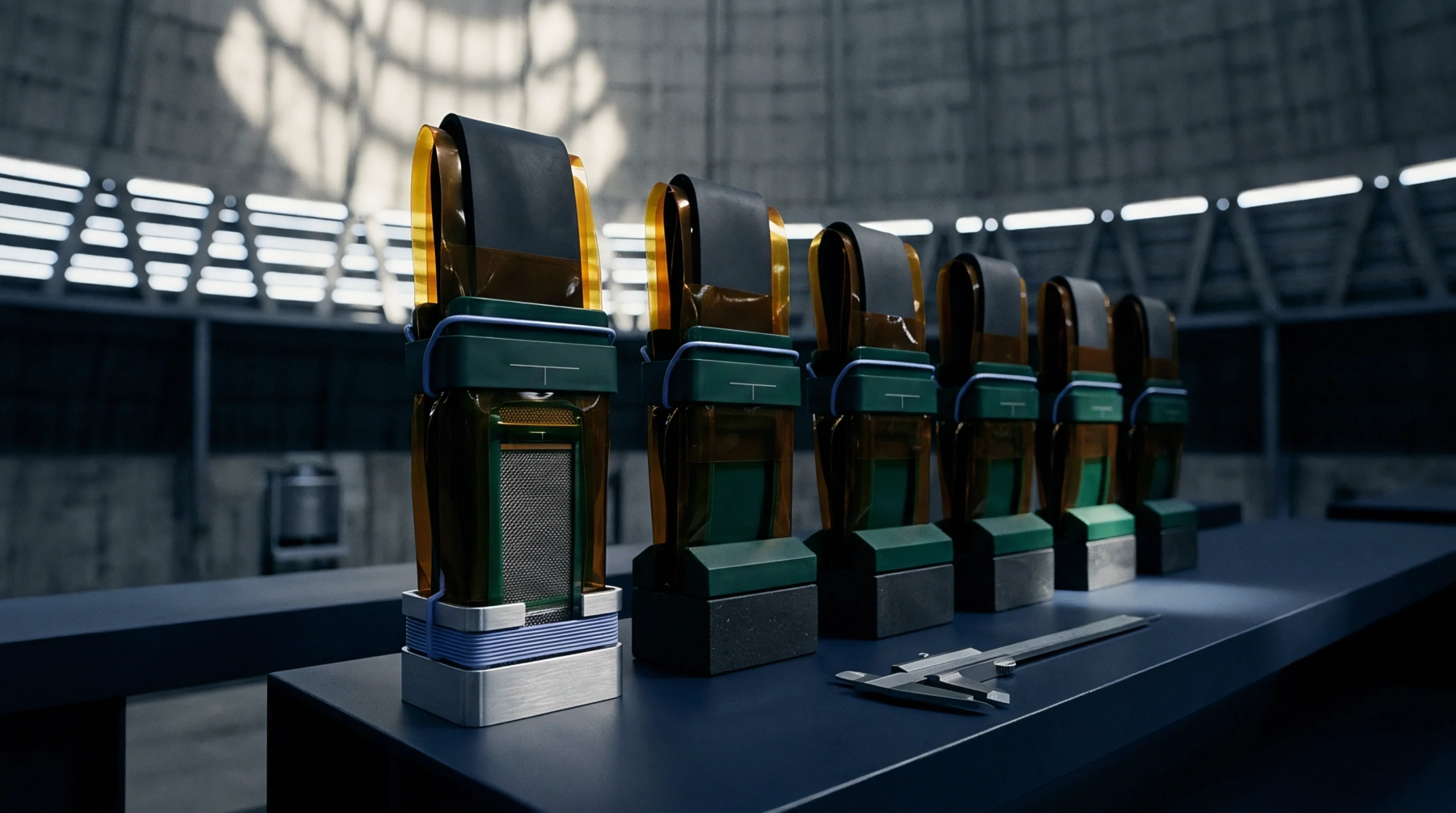
Square the quotient of specified noise density over target resolution to establish the equivalent noise bandwidth required for averaging filter design.
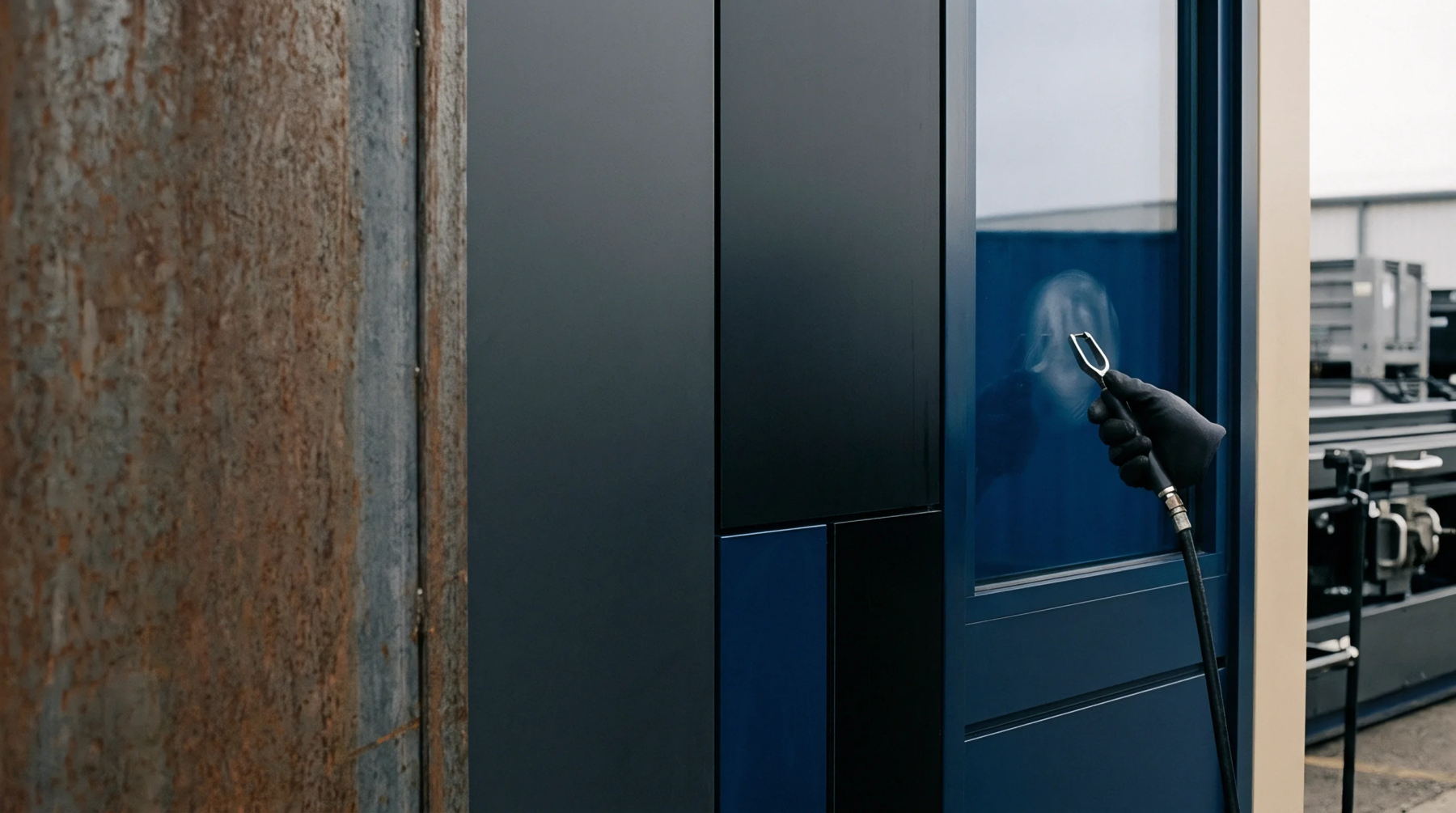
Variable sampling verification for high-rate MEMS gyroscopes optimizes lot acceptance by deriving continuous quality indices from dynamic rate table test samples.
Expertise is a utility, not a secret. sentiention™ publishes its working knowledge as open reference: intelligence layer covering the materials it sources, the markets it enters, and the reference that serves both.