
Viscoelastic Stress Relaxation Mechanisms in Molded MEMS Package Structures
Polymer viscoelastic stress relaxation in molded MEMS packages causes long-term zero-point offset drift that requires cavity isolation or baked burn-in.
Polymer viscoelastic stress relaxation in molded MEMS packages causes long-term zero-point offset drift that requires cavity isolation or baked burn-in.

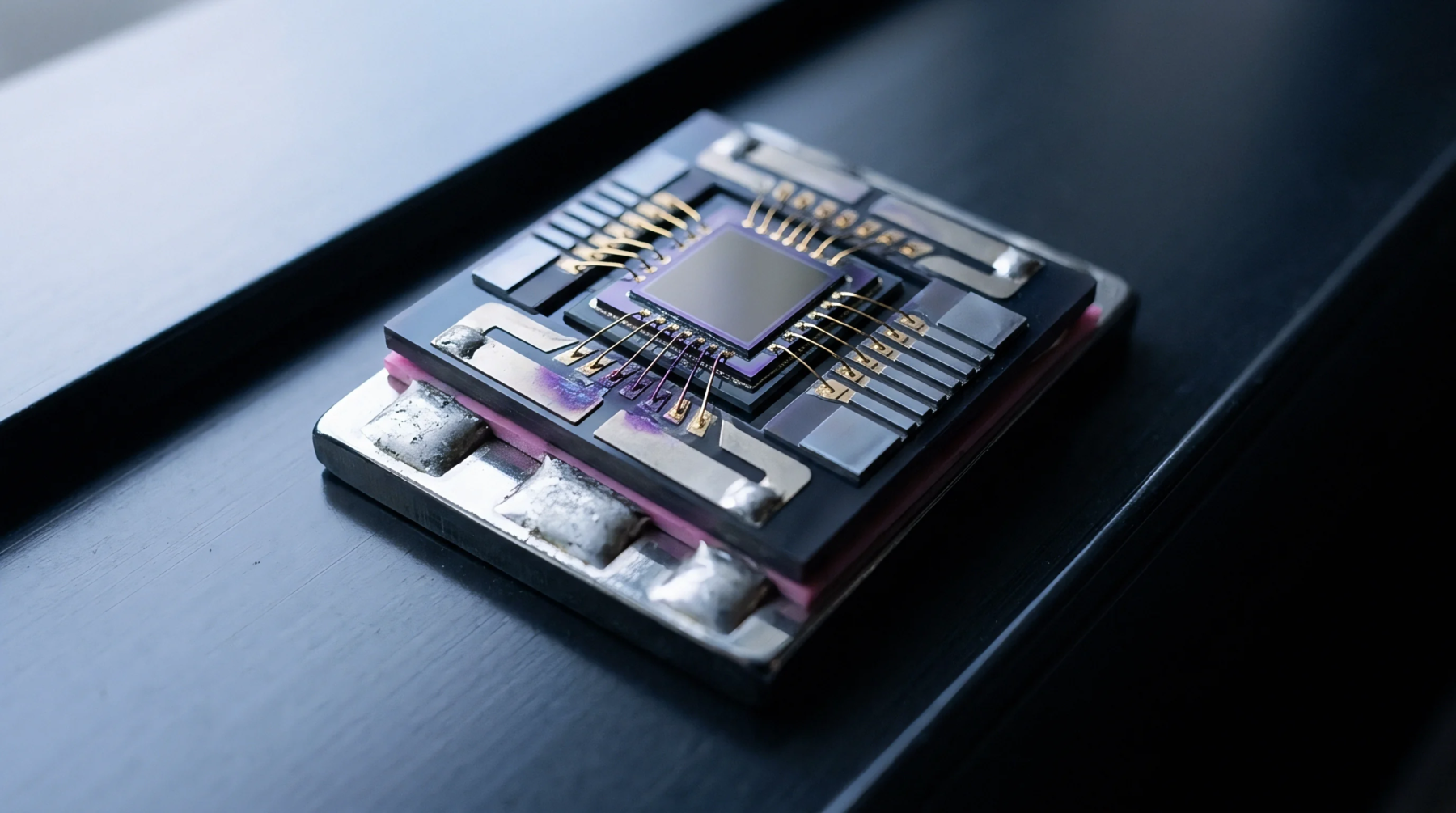
Unbalanced copper planes and high-modulus die attach adhesives in laminate sensor packages cause reflow-induced warpage that shifts piezoresistive zero points.
Master supply agreements enforce microelectronic acceptance by establishing guard-banded drift boundaries that partition thermal, packaging, and aging errors.

Monolithic reference thermal drift sensitivity combines silicon junction non-linearities, piezoresistive mechanical package stress, and solder reflow hysteresis.

Selecting surface mount sensor packages requires balancing land-pattern mechanical stress and reflow limits against bus integration effort and unit yield cost.
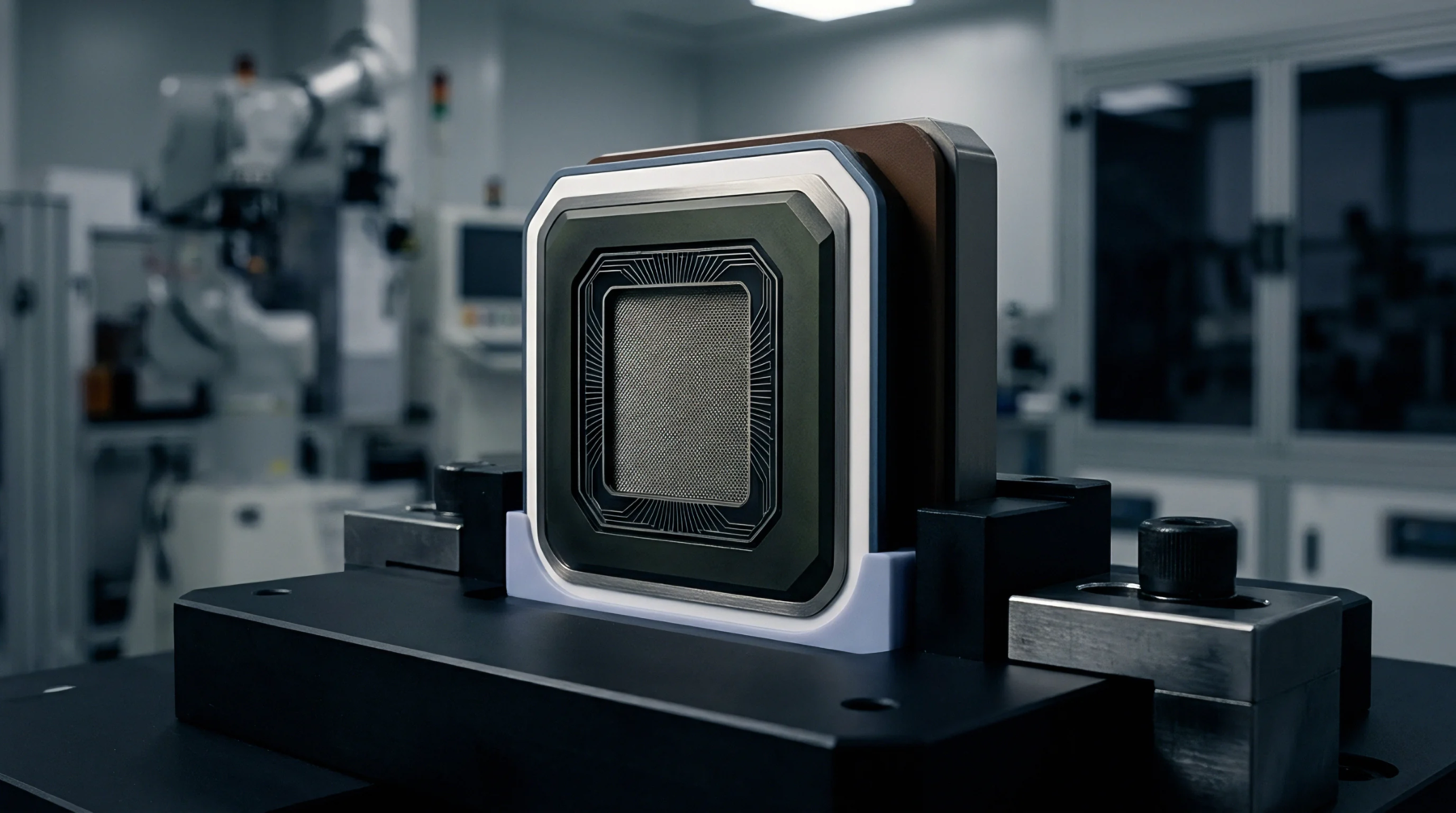
High modulus mold compounds induce dynamic calibration shifts in sensors; sourcing specs must cap flexural modulus below 18 GPa to protect signal accuracy.
Substrate viscoelastic relaxation and thermal expansion mismatch induce time-dependent, hysteretic offset drift in MEMS requiring mechanical anchor isolation.

I2C multiplexers resolve address collisions and isolate bus capacitance via software channels, while translators match voltage rails without addressing control.
Expertise is a utility, not a secret. sentiention™ publishes its working knowledge as open reference: intelligence layer covering the materials it sources, the markets it enters, and the reference that serves both.