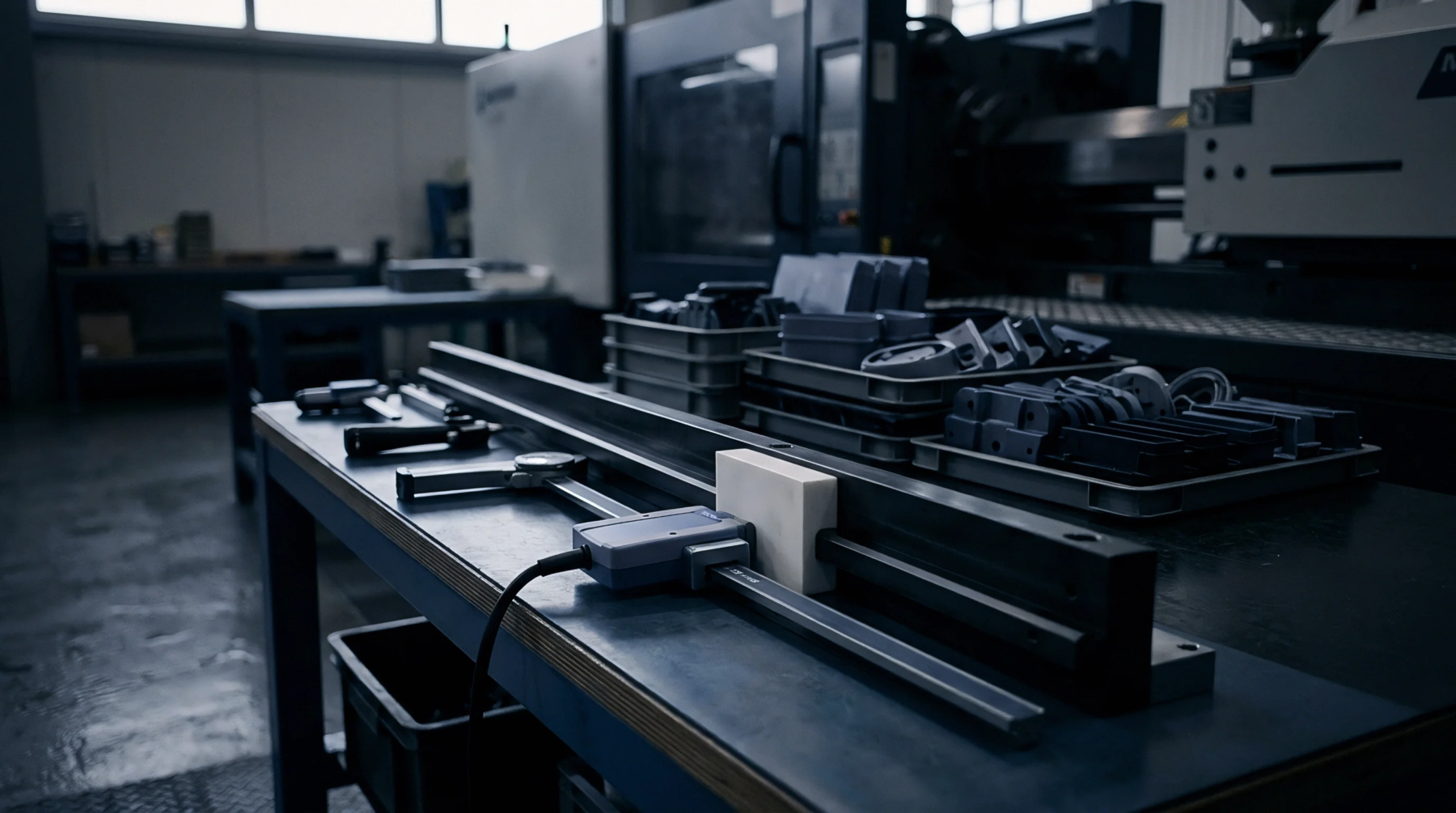
Viscoelastic Stress Relaxation Mechanisms in Molded MEMS Package Structures
Polymer viscoelastic stress relaxation in molded MEMS packages causes long-term zero-point offset drift that requires cavity isolation or baked burn-in.
Polymer viscoelastic stress relaxation in molded MEMS packages causes long-term zero-point offset drift that requires cavity isolation or baked burn-in.

Sub-micron thermo-mechanical strain in encapsulated accelerometer arrays is mitigated using central anchor suspensions, DRIE isolation trenches, and balanced wafer stacks.
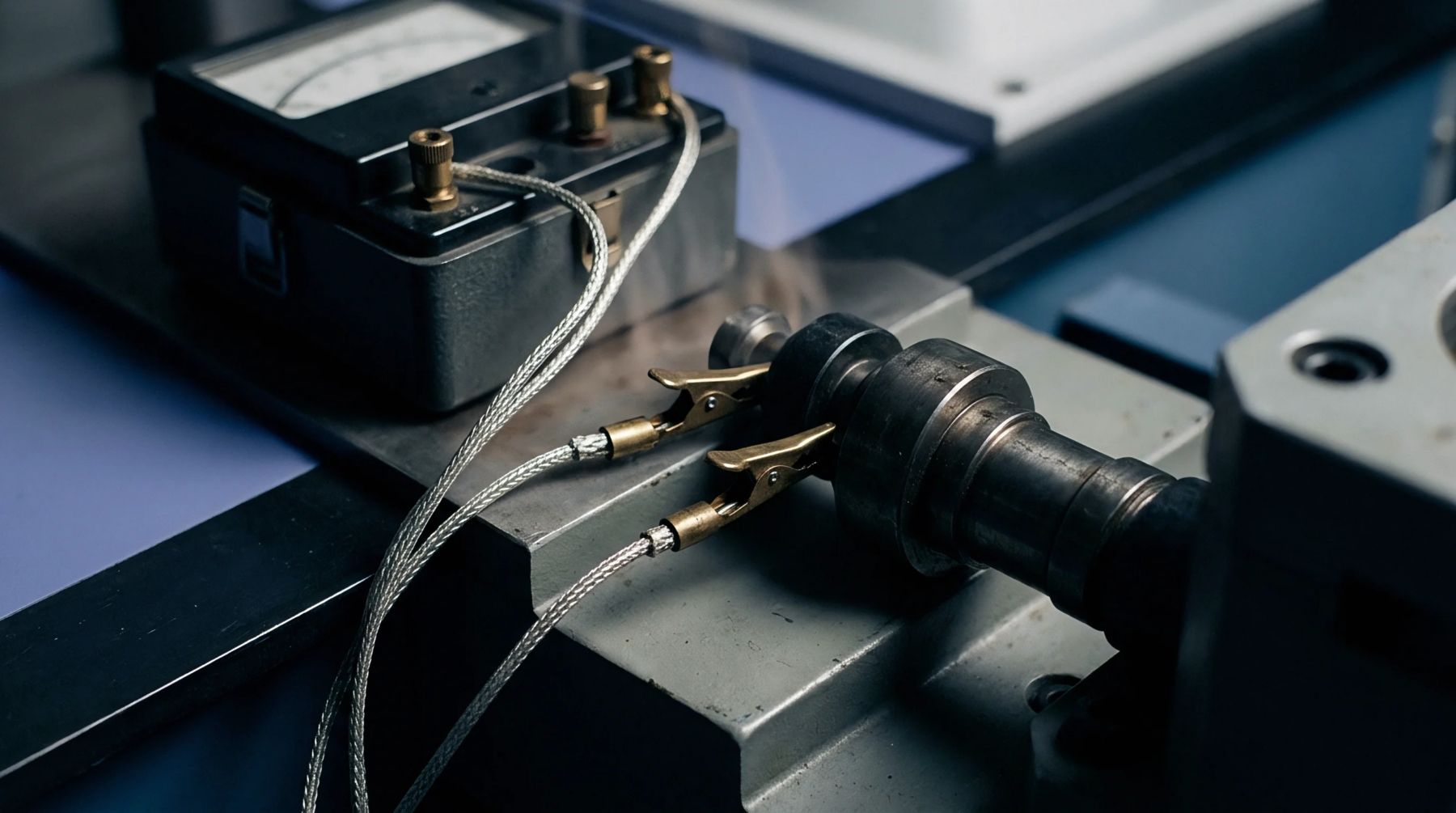
Bivariate polynomial matrix fitting corrects non-linear sensor thermal drift when inputs are normalized and solved via singular value decomposition.
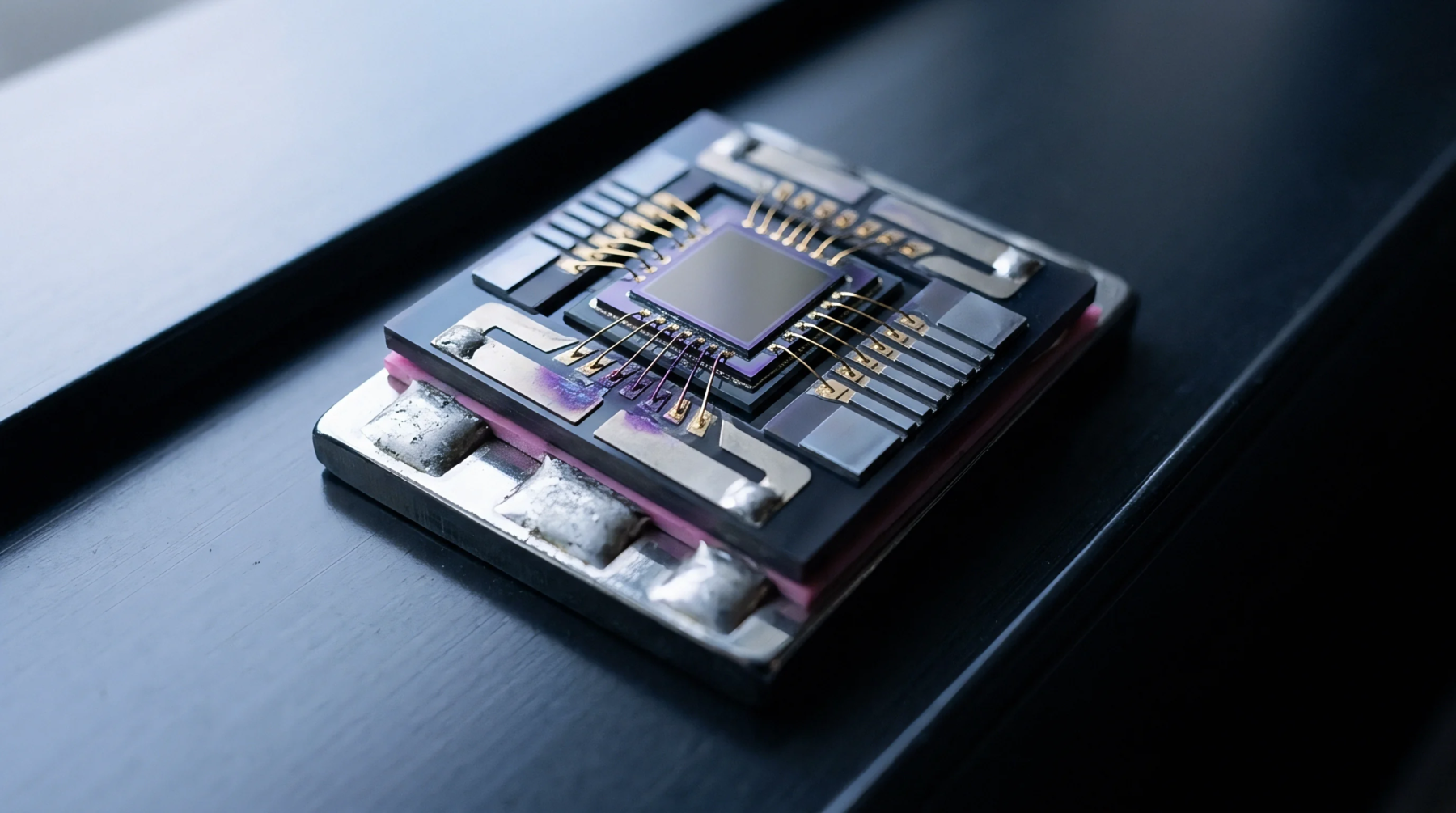
Anodic glass bonding strain is minimized by combining matched non-linear CTE glass selection, thin compliant interlayers, and controlled cool-down ramps.

Packaging stress decay in silicon sensor dies causes continuous zero-point drift that requires thermal preconditioning bakes to stabilize long-term offset accuracy.

Polymeric die attach viscoelastic creep drives time-dependent sensor offset drift; matching glass transition temperature and controlling bondline shear lag minimizes zero wander.

Viscoelastic relaxation in organic sensor die attach adhesives causes baseline zero drift that requires thermal pre-conditioning bake cycles to stabilize.
Thermal hysteresis and package strain corrupt accelerometer zero offset; accurate baseline determinations require thermal soak isolation and vibration rejection.
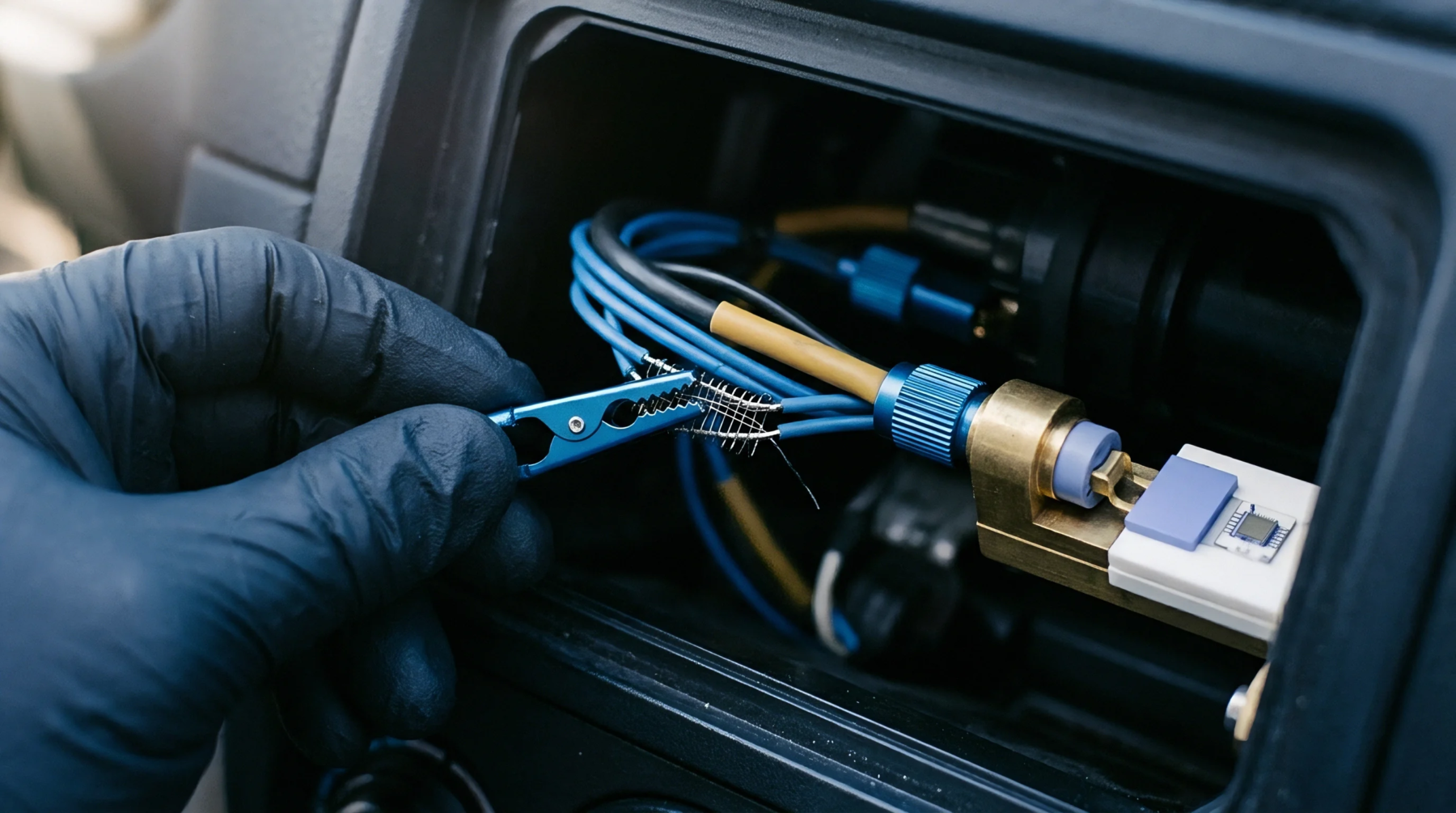
Selecting low-modulus die attach adhesives with glass transition temperatures outside operating limits eliminates non-linear MEMS zero-g offset drift.

Silicon substrate expansion mismatches create stress across MEMS structures, driving zero-g drift that demands isolated anchors and hysteresis modeling.
Expertise is a utility, not a secret. sentiention™ publishes its working knowledge as open reference: intelligence layer covering the materials it sources, the markets it enters, and the reference that serves both.