Material Property
Physical property that measures the rate of heat transfer through a material is defined as the thermal conductivity divided by the product of density and specific heat capacity. Selection of packaging materials for micro-sensors relies on high thermal diffusivity to ensure rapid and uniform heat distribution across the device. This property determines how quickly a material adjusts its temperature in response to a thermal transient.
The units of this property are expressed in square meters per second, representing the speed of the thermal front through the material.
Sensor Impact
Low diffusivity can lead to localized temperature gradients within the sensor package, which can cause mechanical strain and electrical drift. By ensuring high diffusivity, the sensor can reach thermal equilibrium quickly, minimizing the duration of these transition-related errors.
Measurement Method
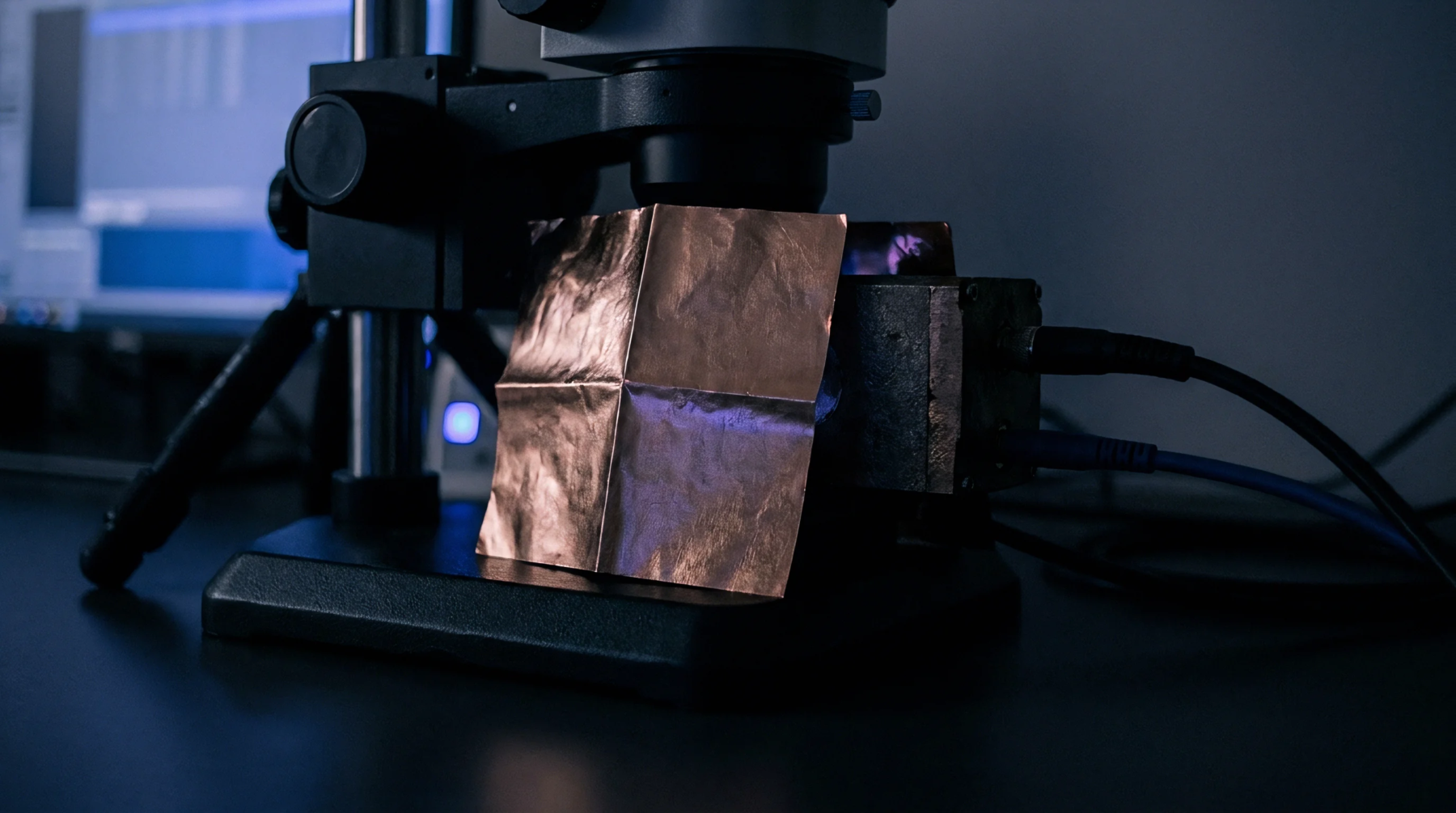
Measuring this property is typically performed using the laser flash method, where a short pulse of heat is applied to one side of a sample and the temperature rise is measured on the opposite side. This measurement is performed in a certified materials laboratory to ensure that the material properties match the requirements of the thermal simulation models.
Packaging Selection
Engineers choose materials like alumina or silicon nitride for high-power sensor applications due to their high diffusivity and mechanical strength. This choice prevents the accumulation of thermal hotspots and improves the long-term reliability of the sensor assembly.