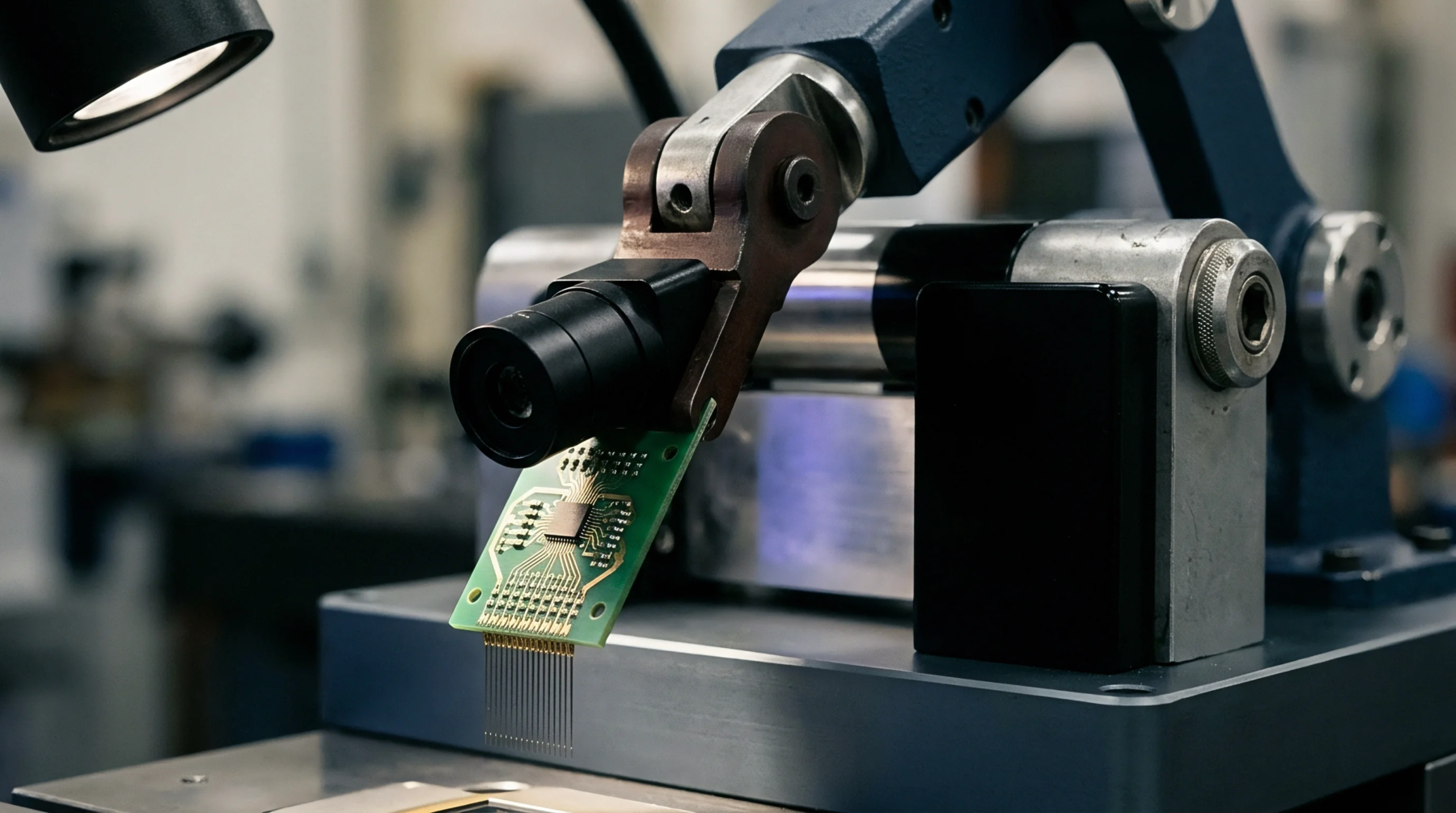
Deformation Metric
The time-dependent slow strain of a solder joint under constant mechanical load or thermal stress is calculated to predict long-term reliability. By tracking this slow displacement, engineers determine the creep rate of alloys used in high-temperature environments.
Mechanic Behavior
Microstructural sliding at grain boundaries occurs when a joined component operates near its homologous temperature. This molecular shifting establishes a creep rate that accelerates as the operating temperature approaches the melting point of the metal matrix.
Operational Limit
Continuous stress on electronic assemblies in automotive or aerospace systems can induce permanent structural failure below the yield strength of the material. A high creep rate is mitigated by selecting alloy compositions that resist grain boundary sliding through alloy doping.
Material Life
Accelerated testing protocols use elevated temperatures to squeeze years of field service into a few hundred hours of laboratory observation. The creep rate measured during these thermal cycles allows the formulation of predictive wear-out curves that help warranty designers choose appropriate solder thicknesses. High accuracy sensor systems track the microscopic elongation of specimens down to the nanometer scale over weeks of testing.
This continuous data collection ensures that the material resists sudden failure when exposed to cyclic heating under heavy vibration.