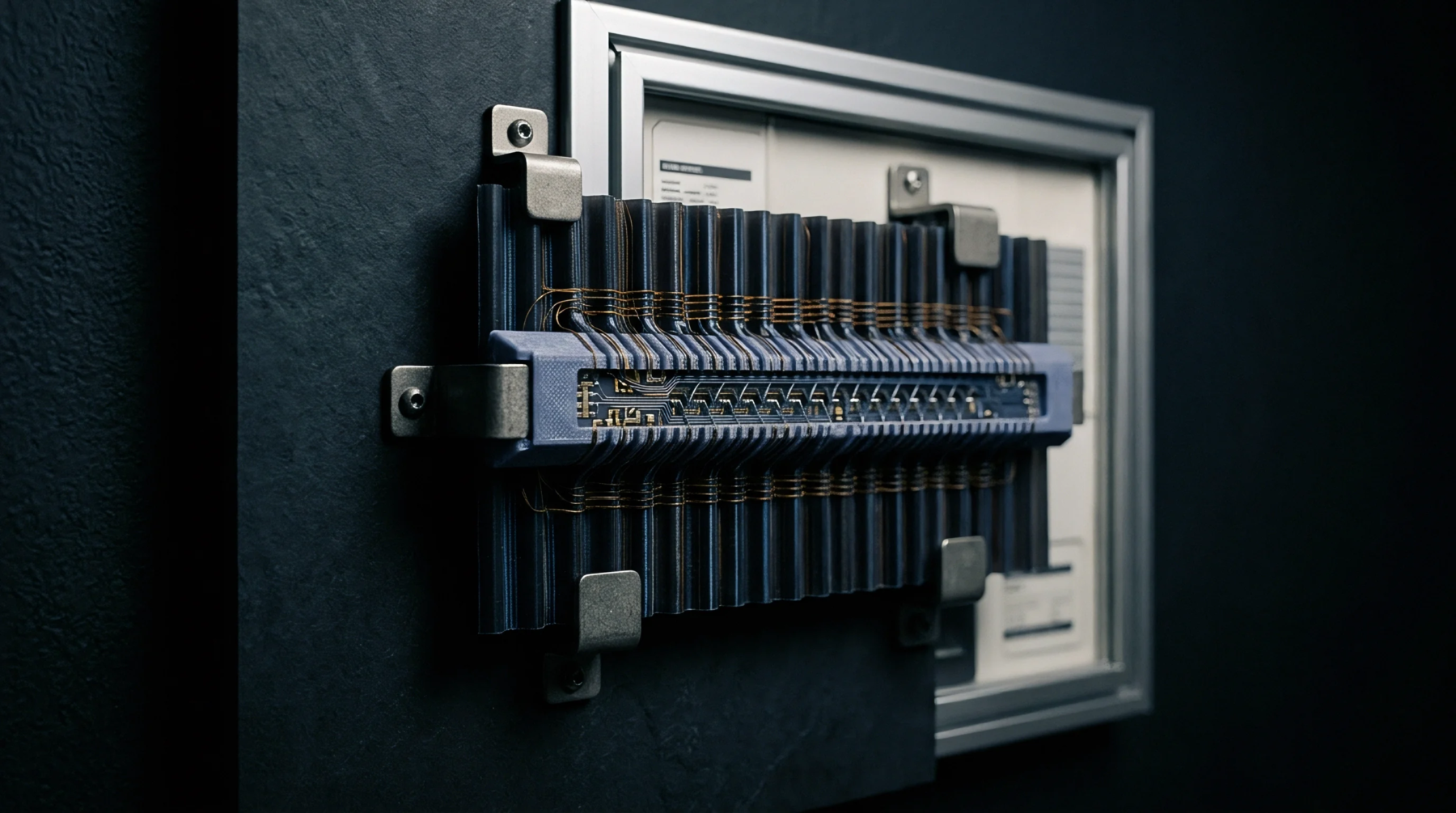
Inductive Transduction Fundamentals in Conductive Metal Inspection
Inductive metal inspection resolves surface and subsurface flaws by measuring complex impedance trajectory shifts driven by eddy current diffusion physics.
Inductive metal inspection resolves surface and subsurface flaws by measuring complex impedance trajectory shifts driven by eddy current diffusion physics.

Triaxial strain rosette signal acquisition during depaneling audits requires simultaneous 50 kHz sampling and 10 kHz anti-aliasing filtering to capture true strain peaks.
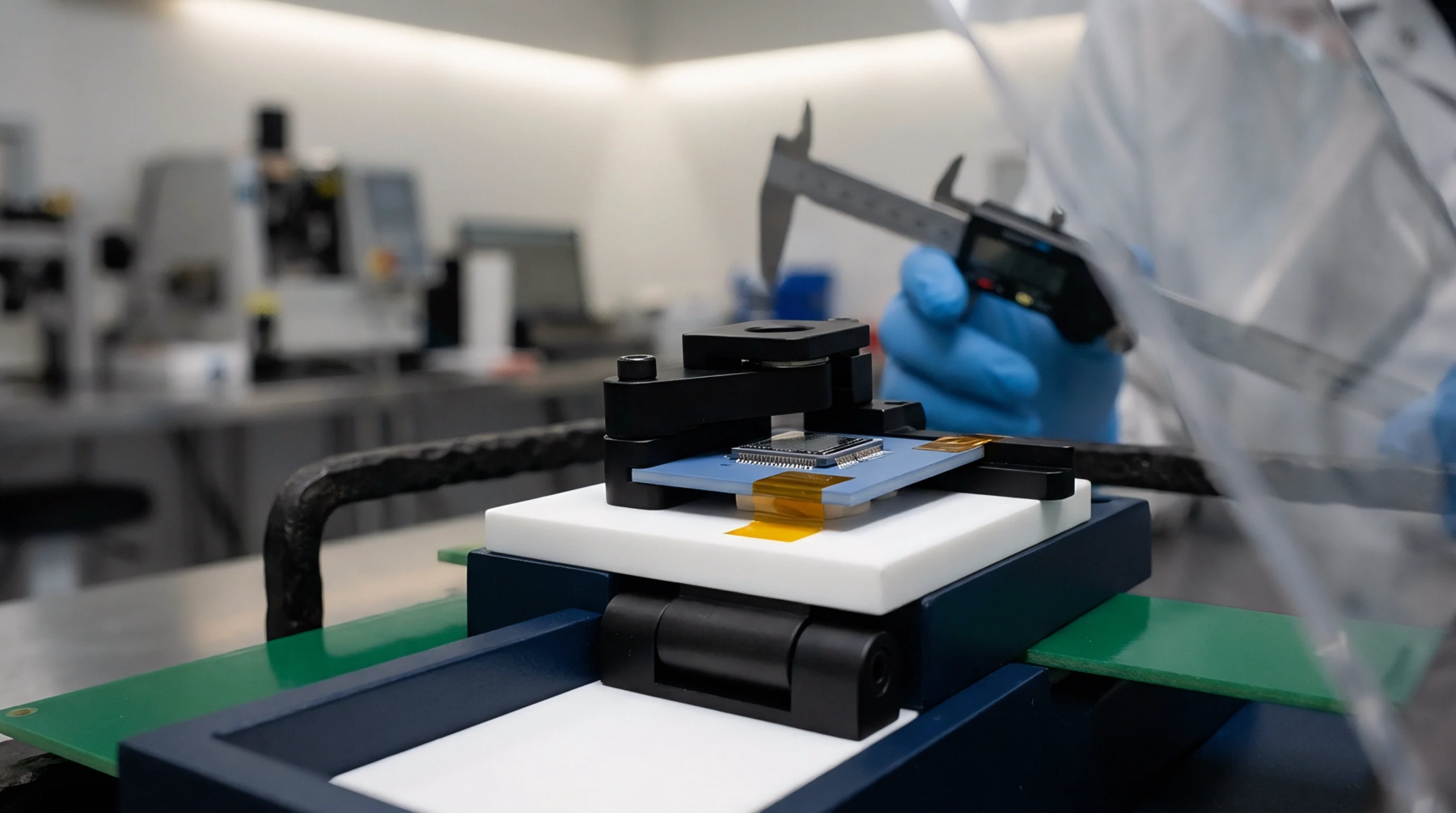
Selecting sensors requires matching physical transduction principles to measurands while accounting for thermal drift, noise floor, and fab availability.
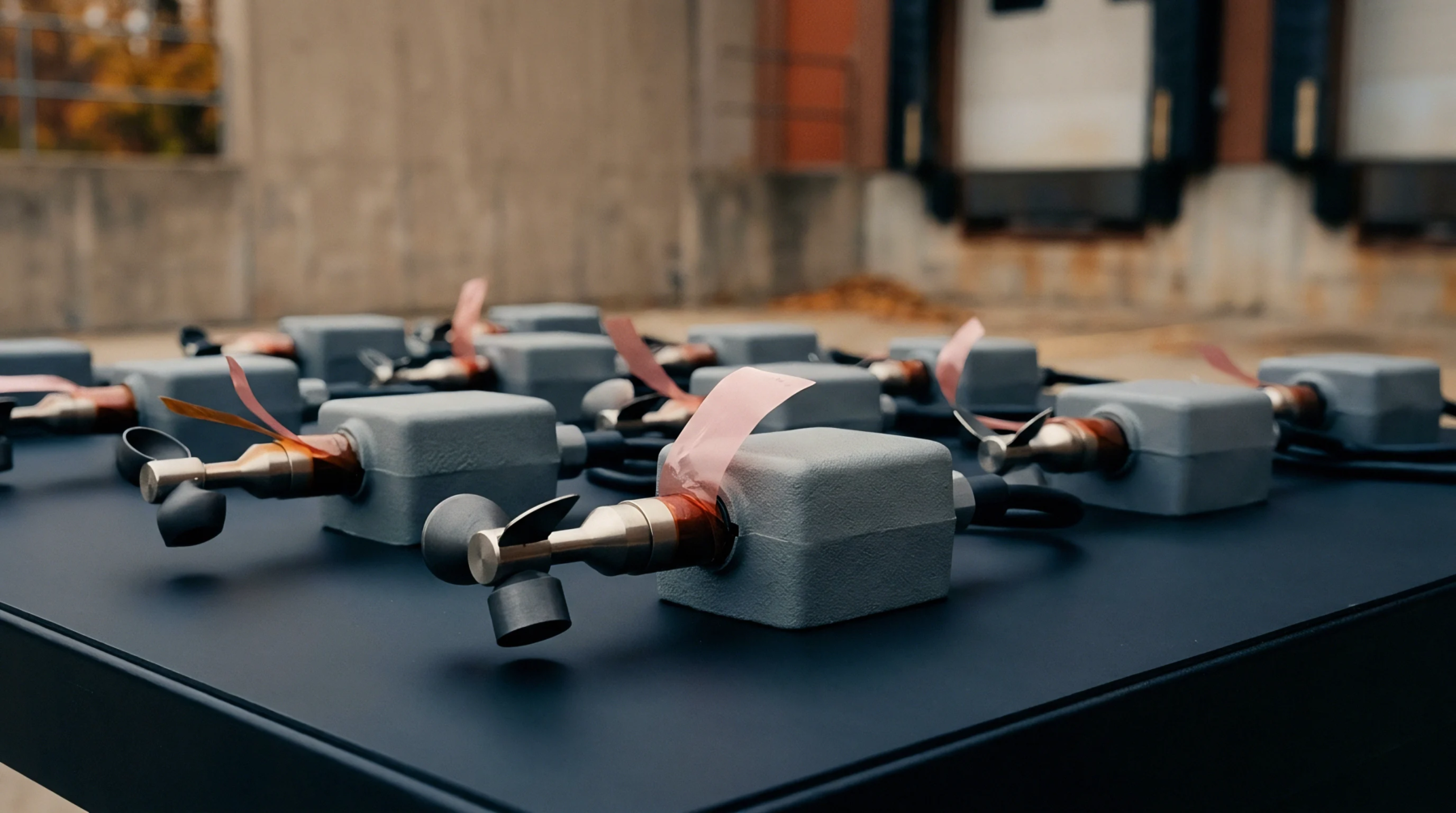
Multi-frequency inductive sensing decouples surface lift-off from bulk alloy conductivity by evaluating phase shifts across differential skin depths in real time.

Stationary alignment extracts gravity and Earth rate vectors to initialize pitch, roll, and true north azimuth prior to unguided motion tracking.
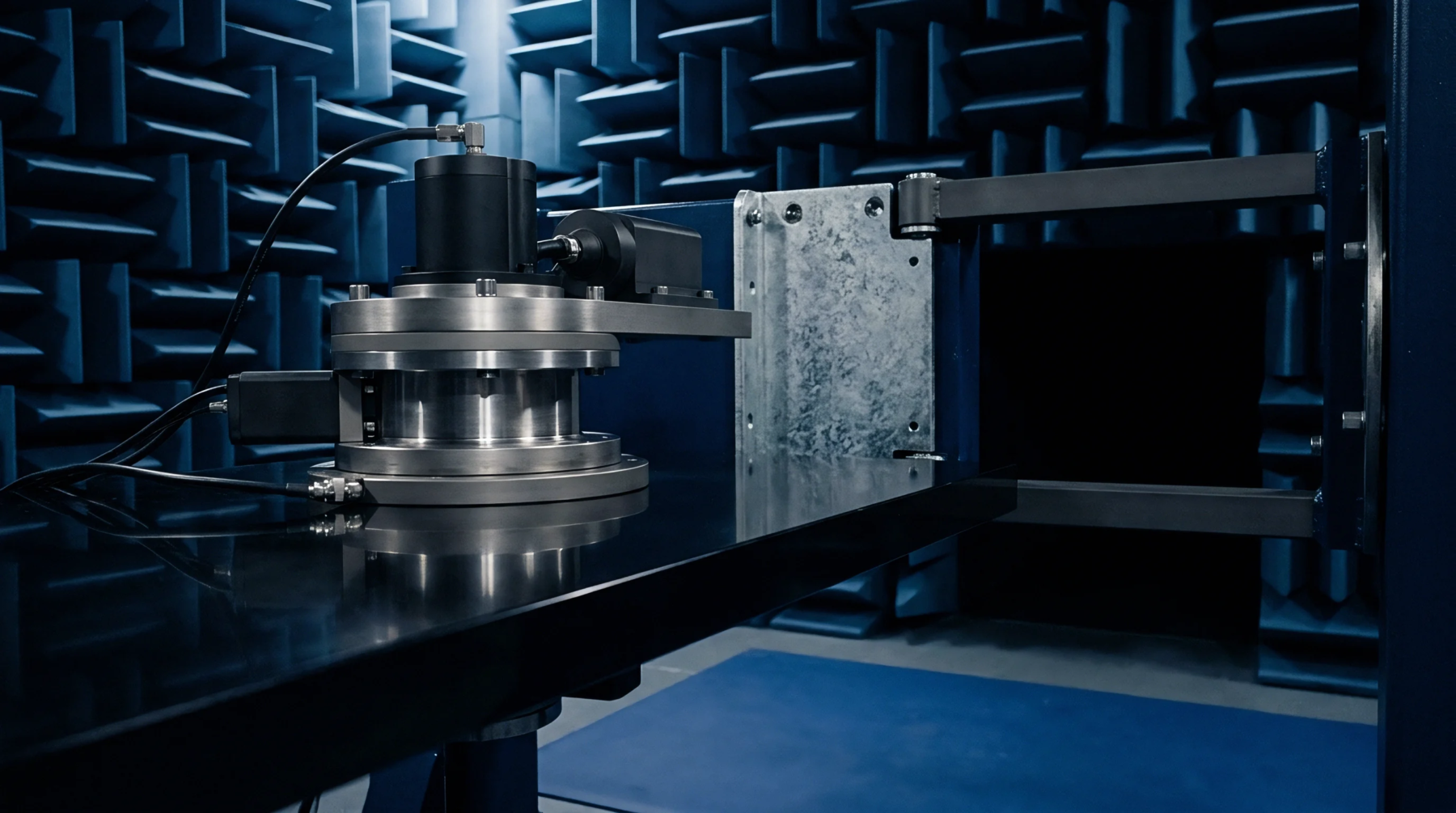
Normalizing digitized bridge and temperature counts before solving polynomial matrix equations eliminates floating point overflow and preserves calibration accuracy.
Expertise is a utility, not a secret. sentiention™ publishes its working knowledge as open reference: intelligence layer covering the materials it sources, the markets it enters, and the reference that serves both.