
Dynamic Thermal Gradient Uncertainty Budgets for Field Transfer Standards Verification
Dynamic thermal gradients in field transfer standards expand calibration uncertainty, requiring calculated ramp lag and axial conduction additions.
Dynamic thermal gradients in field transfer standards expand calibration uncertainty, requiring calculated ramp lag and axial conduction additions.

Generalized Prandtl-Ishlinskii play operators linearize directional thermal hysteresis loops, cutting transducer calibration uncertainty from 90 mK down to 13 mK.

Lot acceptance for high-temperature MEMS sensors requires GUM uncertainty budgets and guardbanding to mitigate consumer risk across severe thermal envelopes.
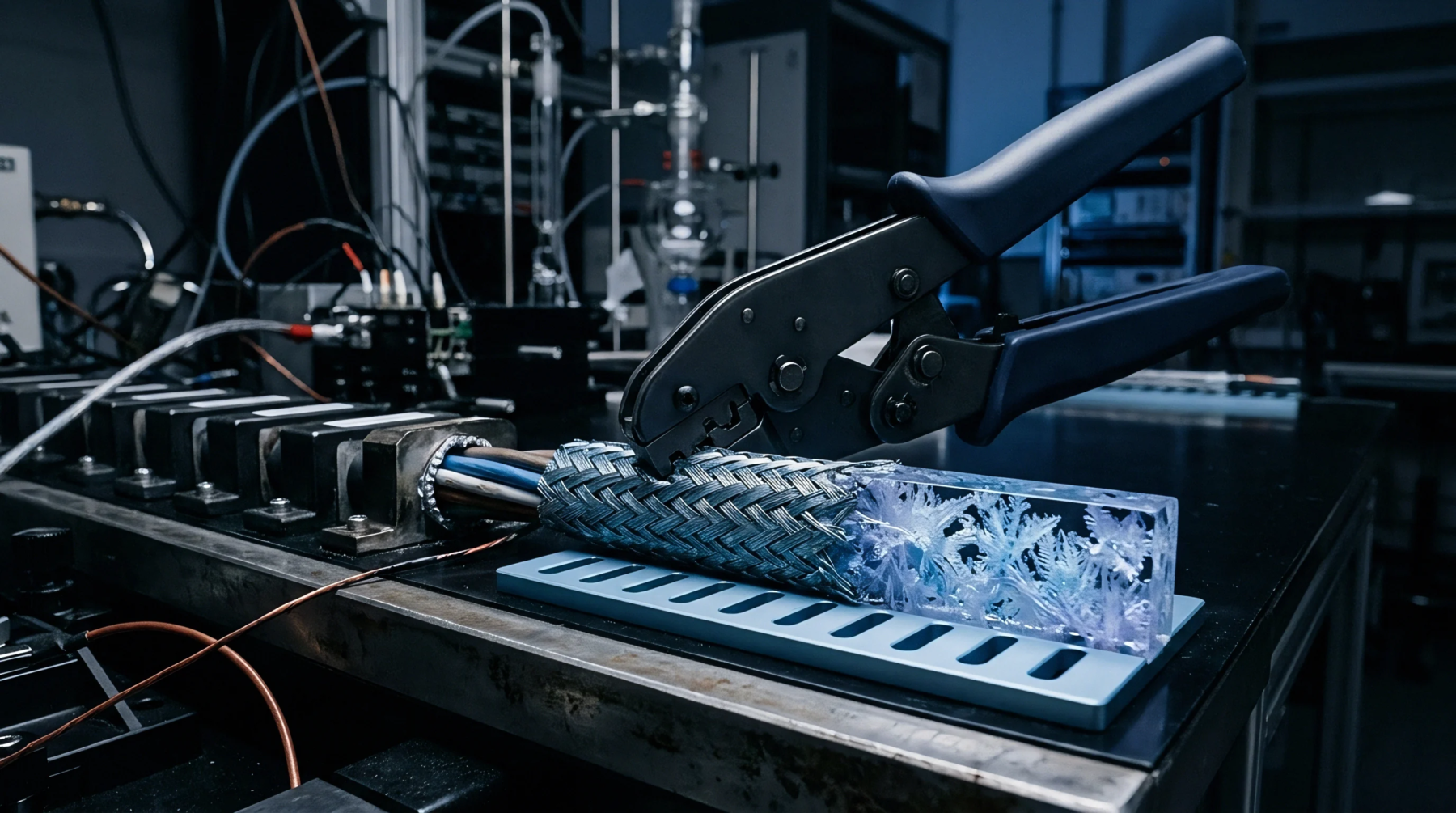
Cross-sensitivity matrix calibration corrects temperature-dependent pressure errors in marine sensors, securing depth measurement accuracy across full ocean depth.
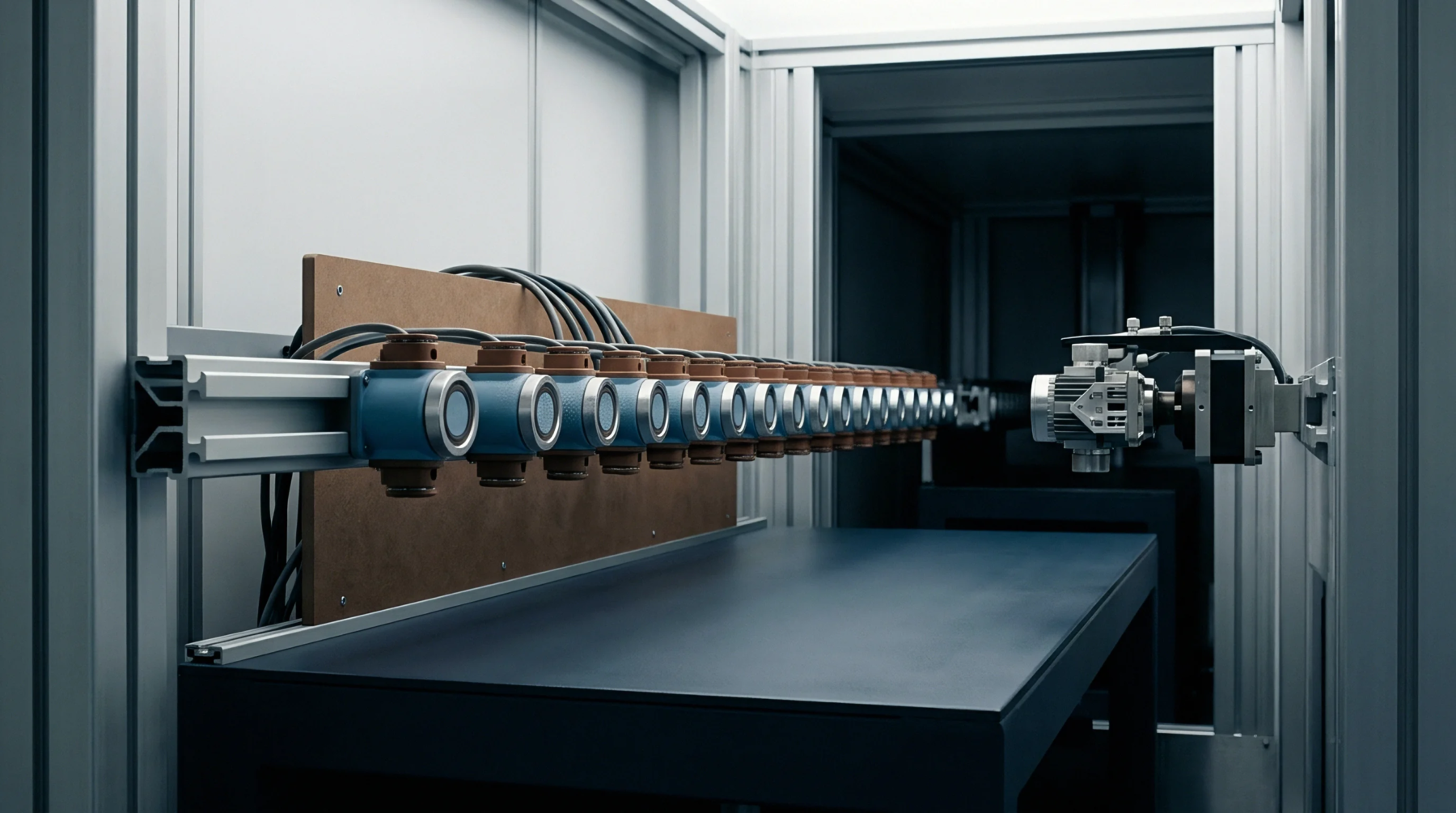
High-temperature package creep redistributes interfacial strain to drive long-term sensor drift, requiring viscoplastic modeling and burn-in stabilization.

Viscoelastic relaxation in organic sensor die attach adhesives causes baseline zero drift that requires thermal pre-conditioning bake cycles to stabilize.
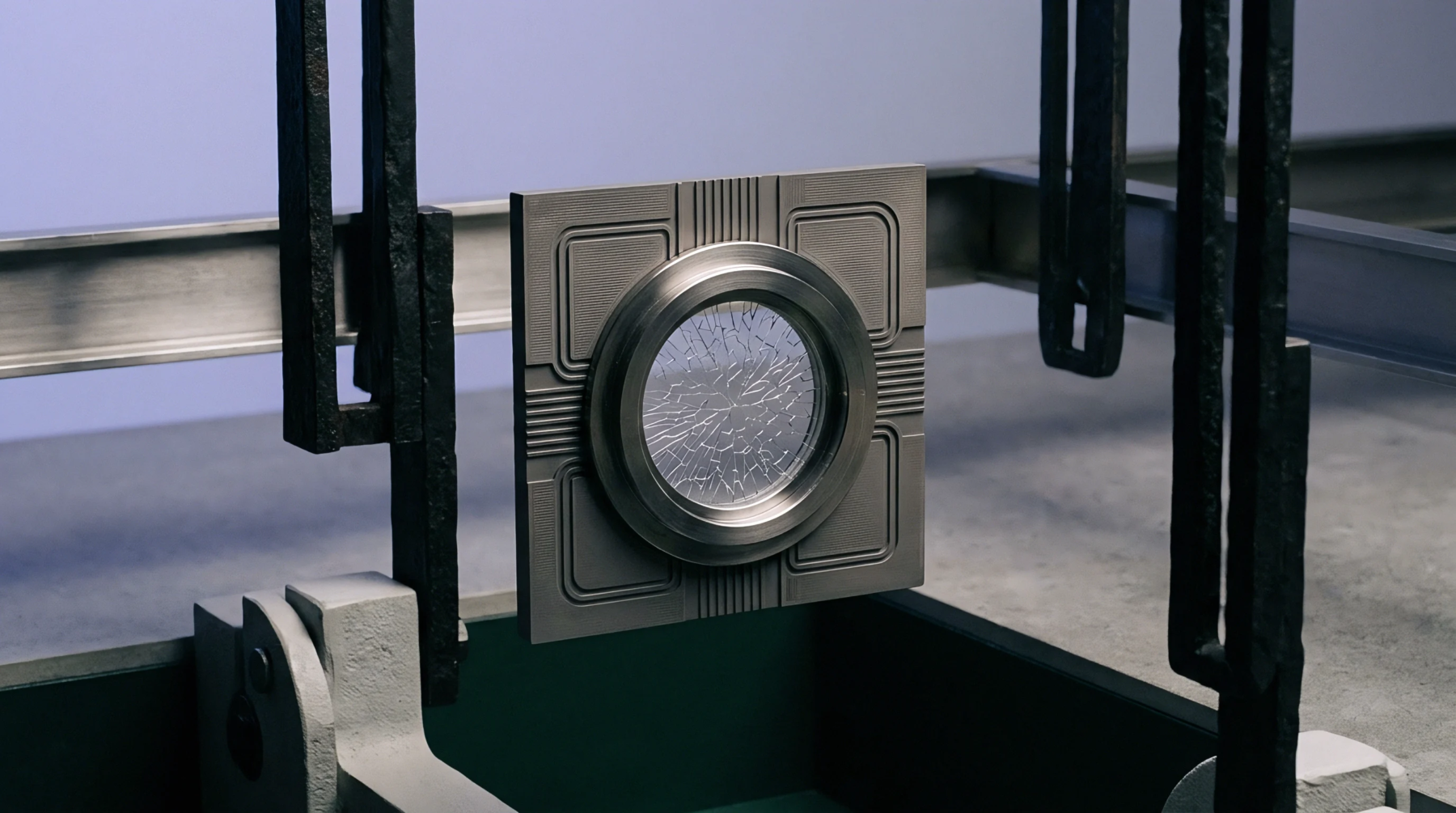
Matching element strain coefficients to substrate thermal expansion eliminates thermal hysteresis and holds sub-ppm resistance stability across operational temperature bands.
Expertise is a utility, not a secret. sentiention™ publishes its working knowledge as open reference: intelligence layer covering the materials it sources, the markets it enters, and the reference that serves both.