Interconnect Parasitic Shift Impact on High Speed Digital Bus Integrity
Interconnect parasitic shifts degrade return loss and collapse eye margins, forcing board-level copper compensation and firmware-driven equalization offsets.
Interconnect parasitic shifts degrade return loss and collapse eye margins, forcing board-level copper compensation and firmware-driven equalization offsets.

Selecting surface mount sensor packages requires balancing land-pattern mechanical stress and reflow limits against bus integration effort and unit yield cost.
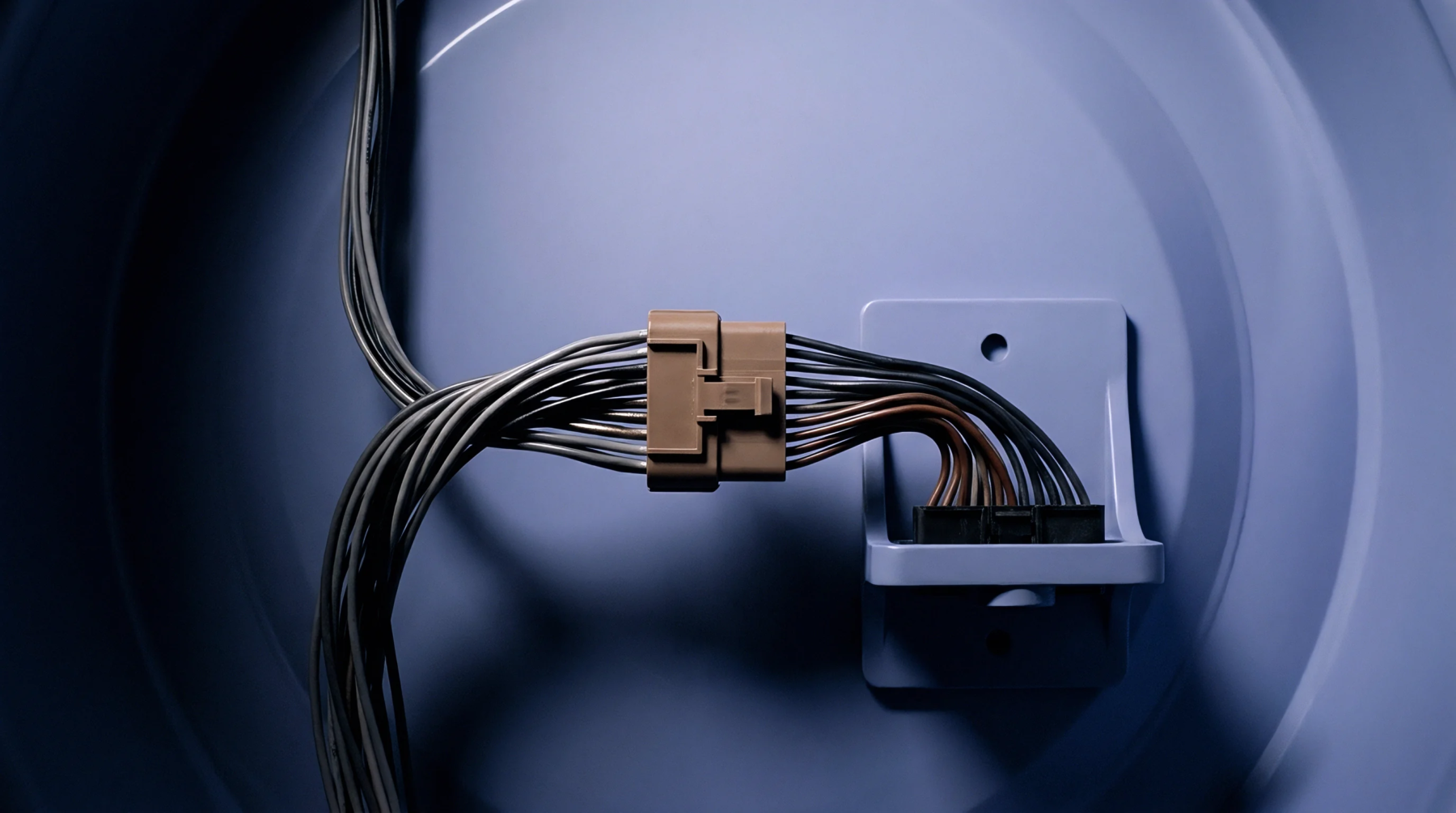
Resolve I2C address collisions using dedicated bus switches, inline XOR translators, or dynamic GPIO strapping to isolate identical device addresses.
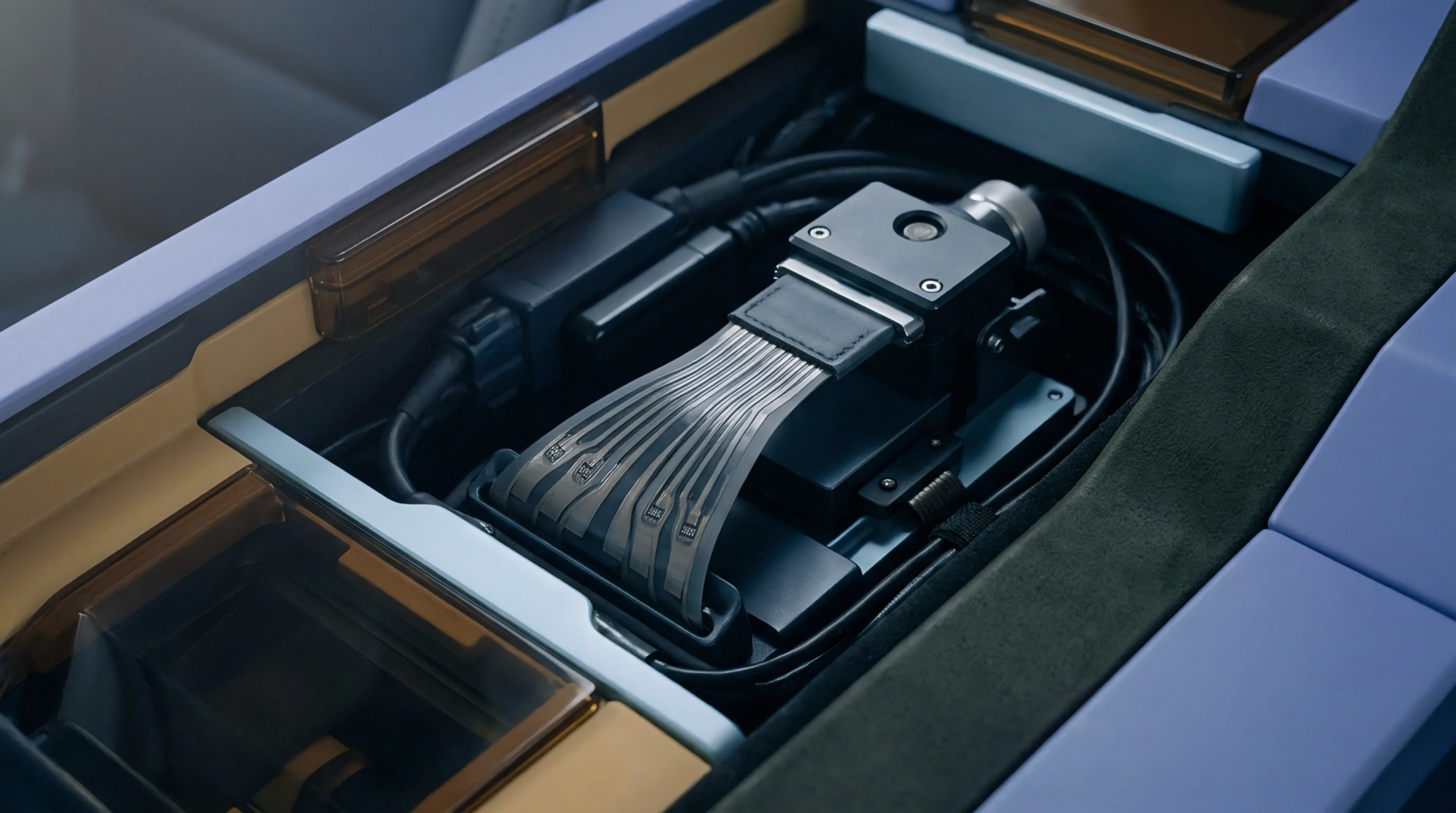
Board flexure transfers surface strain into sensor packages via shear lag mechanics, where higher standoff height and low-modulus interconnects attenuate die stress and offset drift.

Sensor package choice dictates board layout tolerances, bus signal integrity, driver firmware complexity, and final landed unit economics across production volumes.
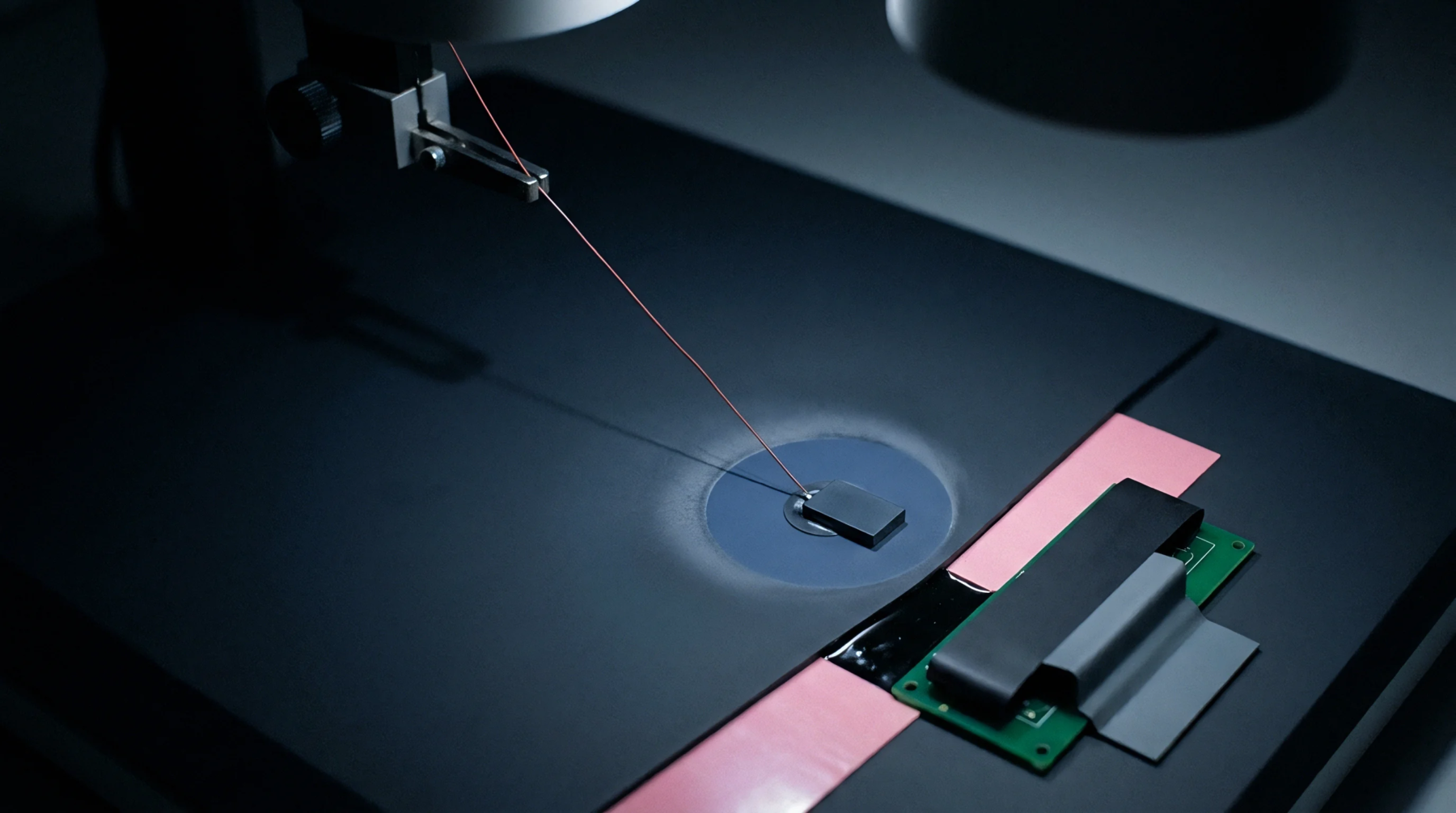
Mechanical board flex induces stress tensor shifts in calibrated silicon die, driving output register offsets beyond rated least significant bit tolerances.
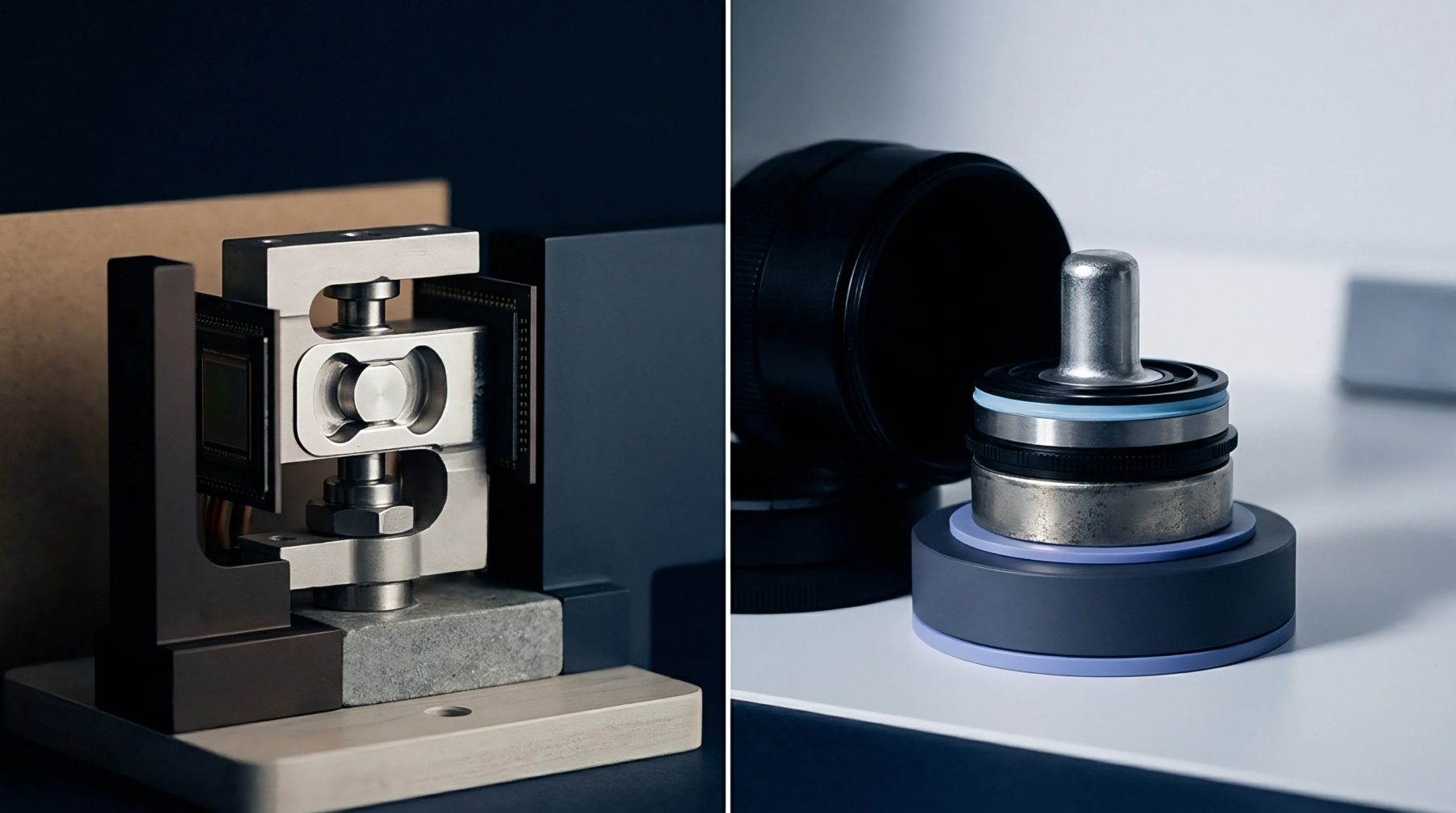
Board strain during reflow shifts MEMS digital offsets via CTE mismatch, requiring PCB keep-out zones, low-stress footprints, and 72-hour room-temp stabilization.

Epoxy compound moisture absorption generates critical steam pressures during lead-free reflow, demanding strict MSL dry-pack handling to prevent internal delamination.
Expertise is a utility, not a secret. sentiention™ publishes its working knowledge as open reference: intelligence layer covering the materials it sources, the markets it enters, and the reference that serves both.