
Managing Thermal Hysteresis and Magnetic Remanence in Wide Bandwidth Integrated Hall Sensors
Managing integrated Hall sensor offset stability requires isolating piezoresistive package stress from core magnetic remanence across temperature cycles.
Managing integrated Hall sensor offset stability requires isolating piezoresistive package stress from core magnetic remanence across temperature cycles.
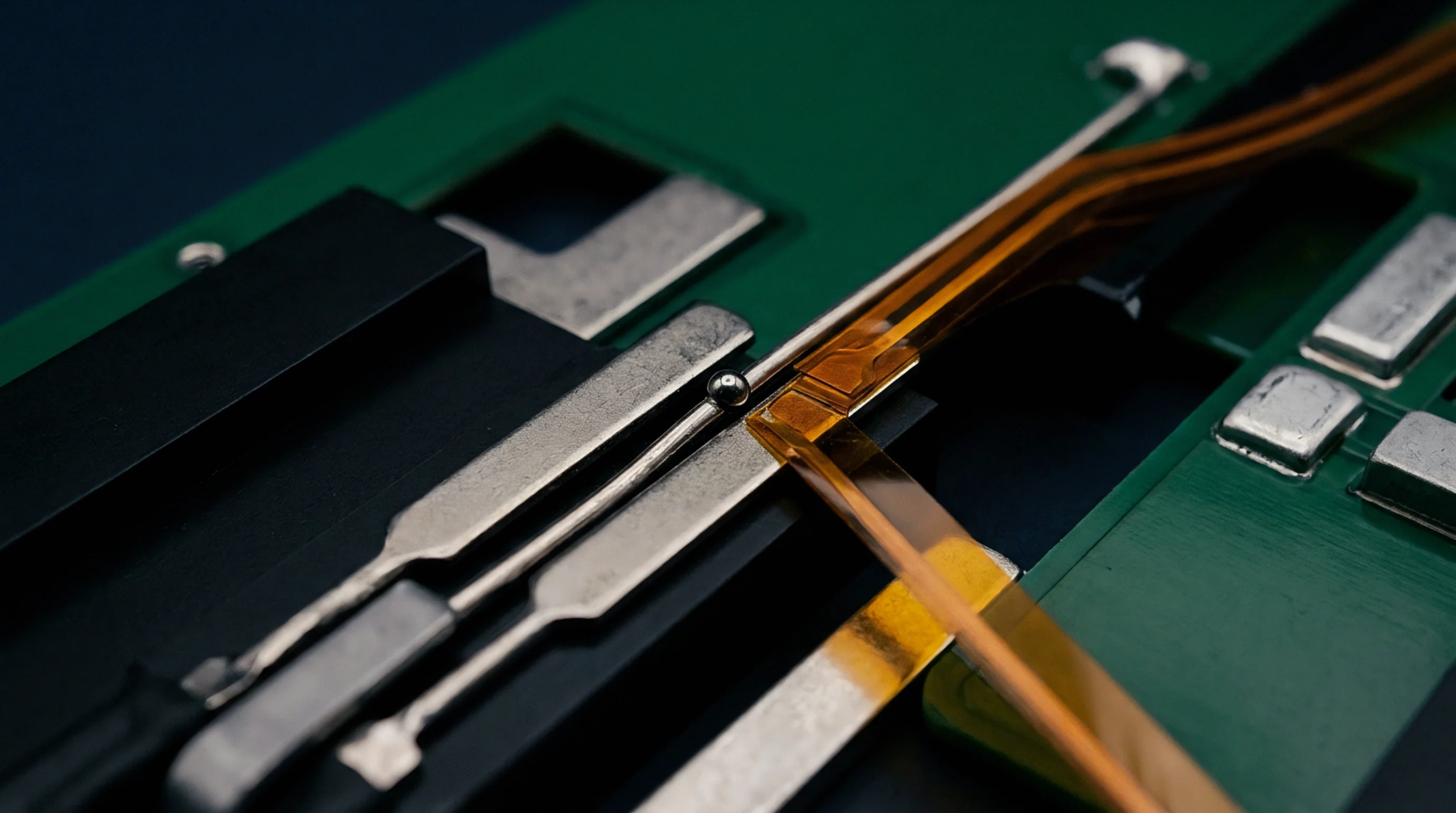
Milled PCB isolation slots and controlled solder standoff heights decouple surface mount pressure sensors from assembly flexure and thermal board strain.

Analytical shear lag models quantify strain transfer from boards to bottom-terminated packages, showing compliant die attach drops offset drift by 98 percent.
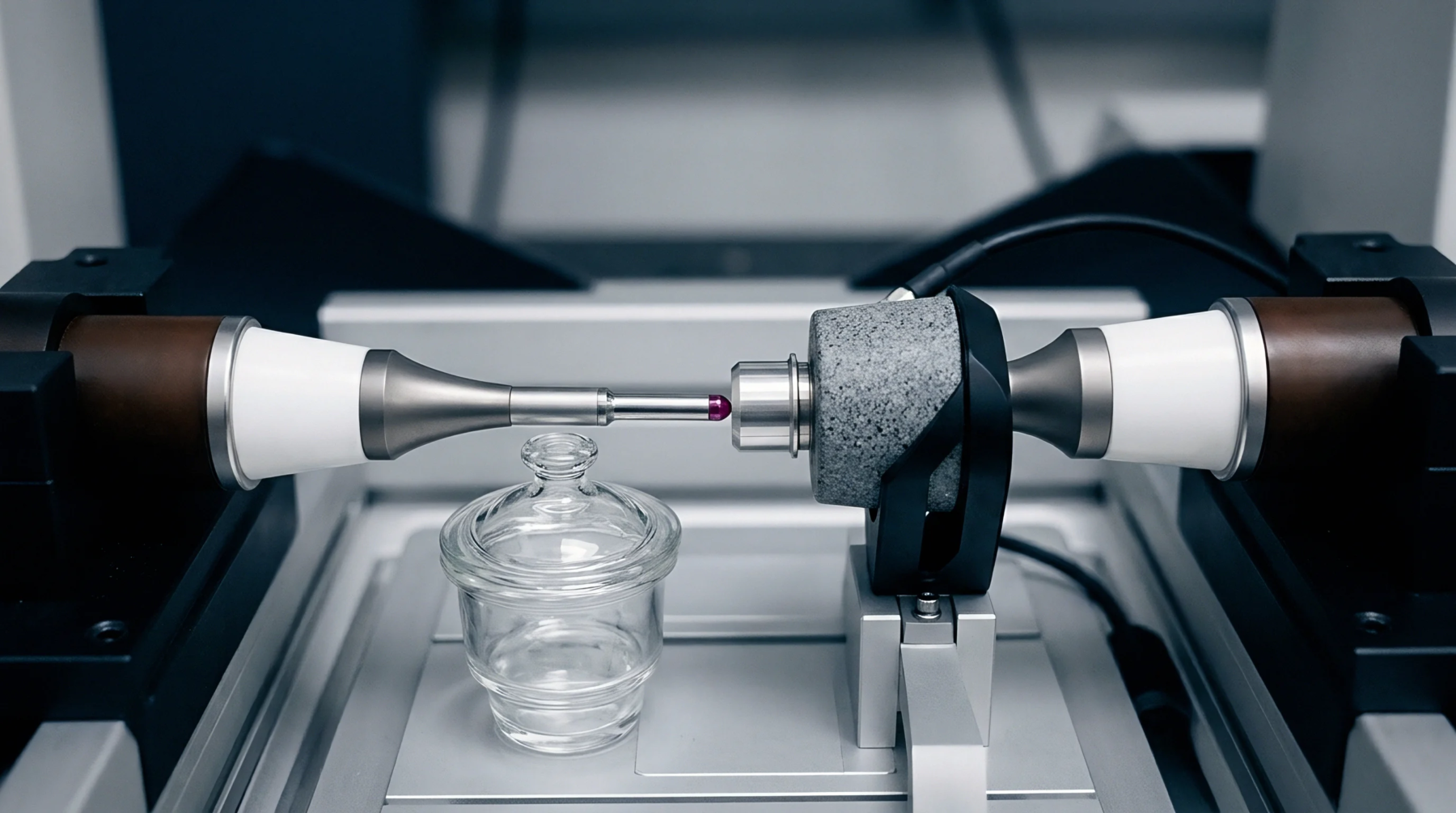
Precise Wheatstone bridge zero-point stability requires matching piezoresistive crystal orientation with thermo-mechanical strain isolation in the packaging stack.
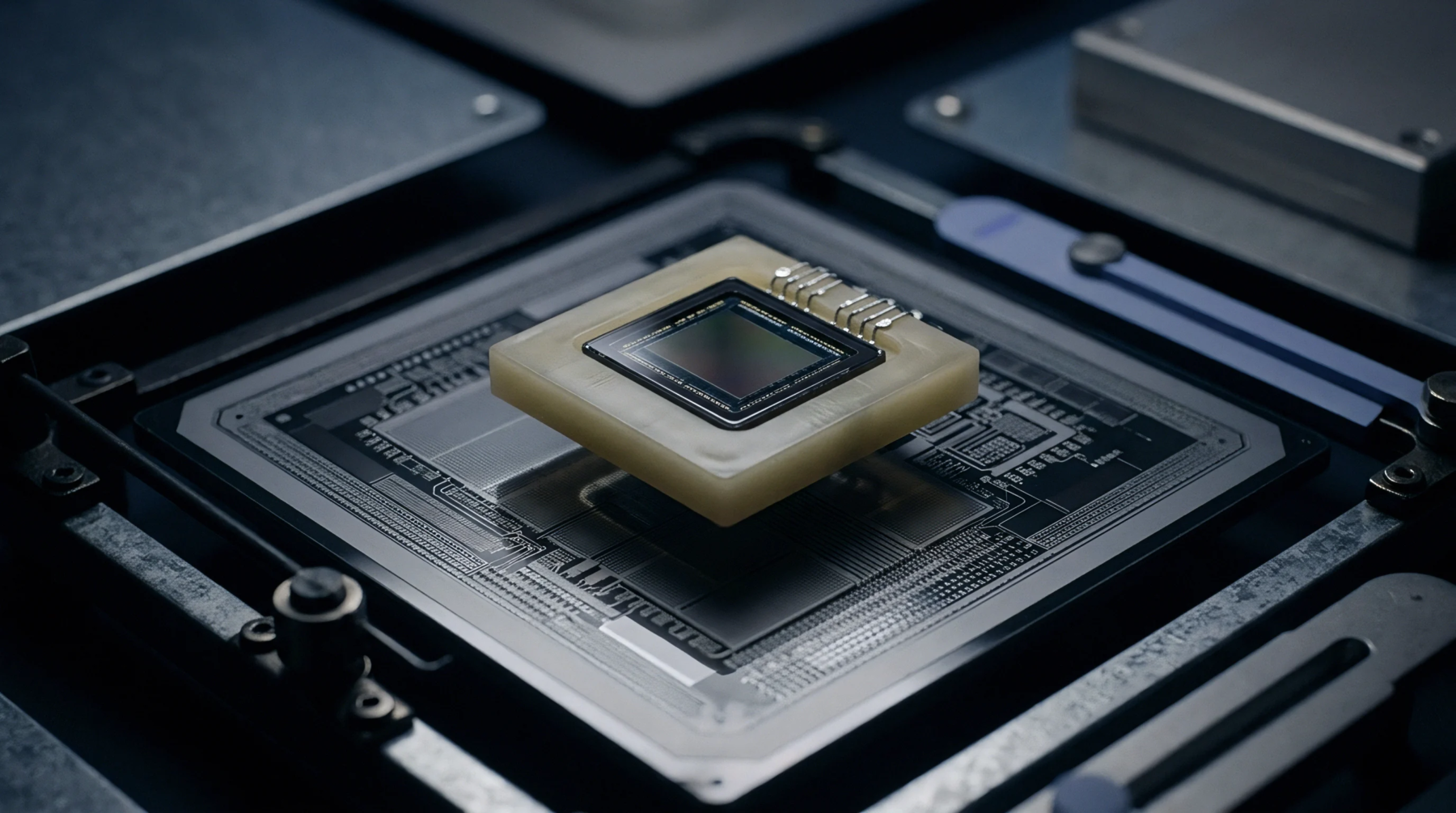
Wafer level sensor package strain mitigation relies on compliant redistribution layers, optimized pad geometries, and firmware offset calibration to ensure operational stability.
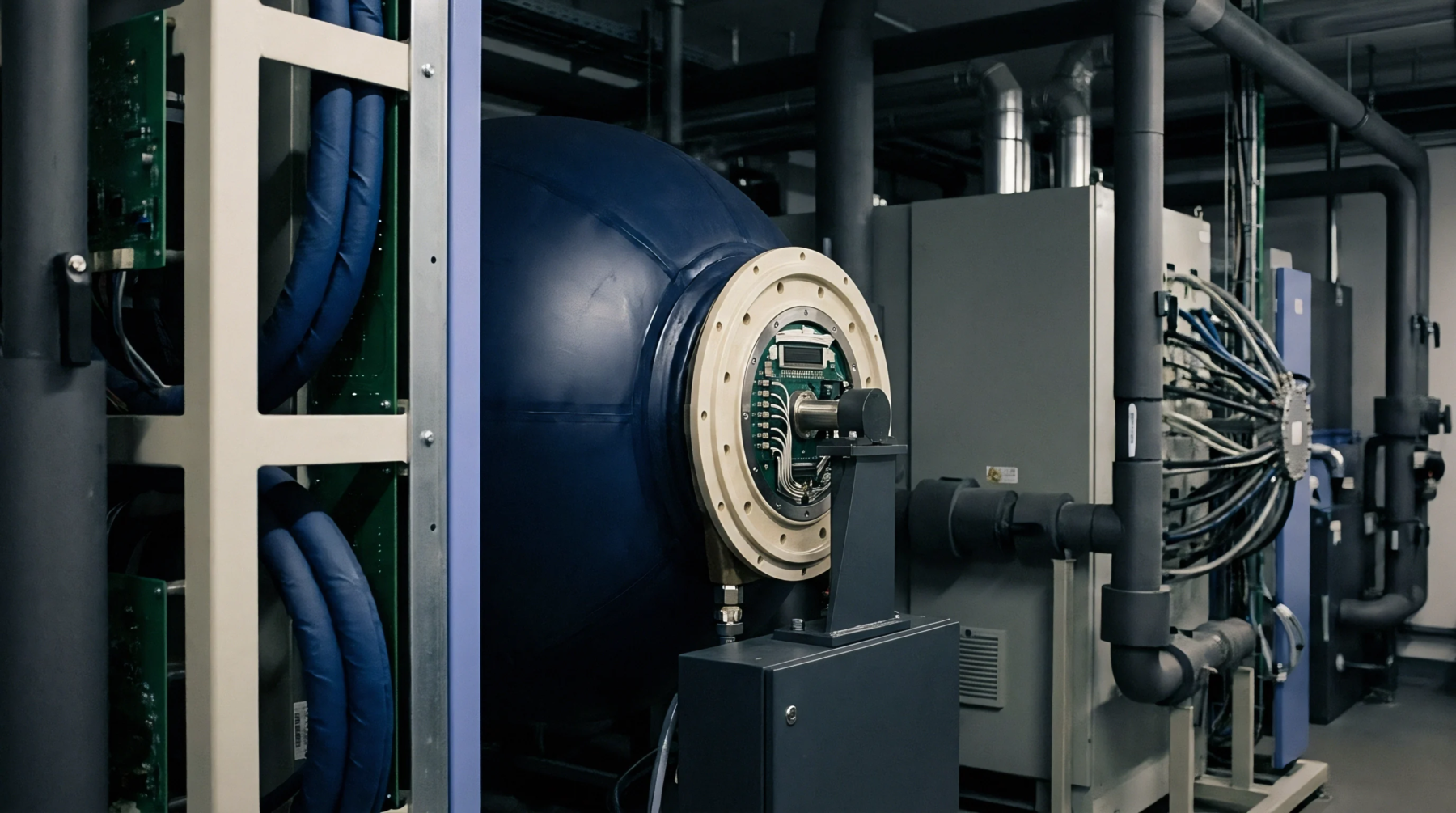
Silicon pressure transducer calibration under humidity excursions requires multi-plateau RH dwells to decouple water absorption strain from pressure signals.
Packaging stress relaxation drives post-thermal drift, requiring pre-conditioning bakes and verified isothermal recovery windows to ensure long-term calibration stability.
When two laboratories return conflicting calibration values for the same sensor unit, calculate the normalized error ratio to isolate systemic lab bias from valid measurement uncertainty.

Substituting high-grade physical sensors with multi-element algorithms saves unit cost but adds firmware overhead, thermal drift risks, and qualification expenses.
Expertise is a utility, not a secret. sentiention™ publishes its working knowledge as open reference: intelligence layer covering the materials it sources, the markets it enters, and the reference that serves both.