Cost Allocation
Tooling investment recovery defines the financial instrument used by component fabricators to bill buyers for initial tooling, dedicated fixtures and custom programming charges before volume production begins. Non-recurring engineering covers the initial design effort, prototype fabrication and qualification testing required to establish a stable manufacturing process for custom hardware. Buyers amortize these one time expenditures across the contracted production run or pay them as a lump sum upon acceptance of the initial article inspection report.
The boundary of this mechanism ends the moment serial production starts, because subsequent labor costs fall under standard unit pricing.
Design Verification
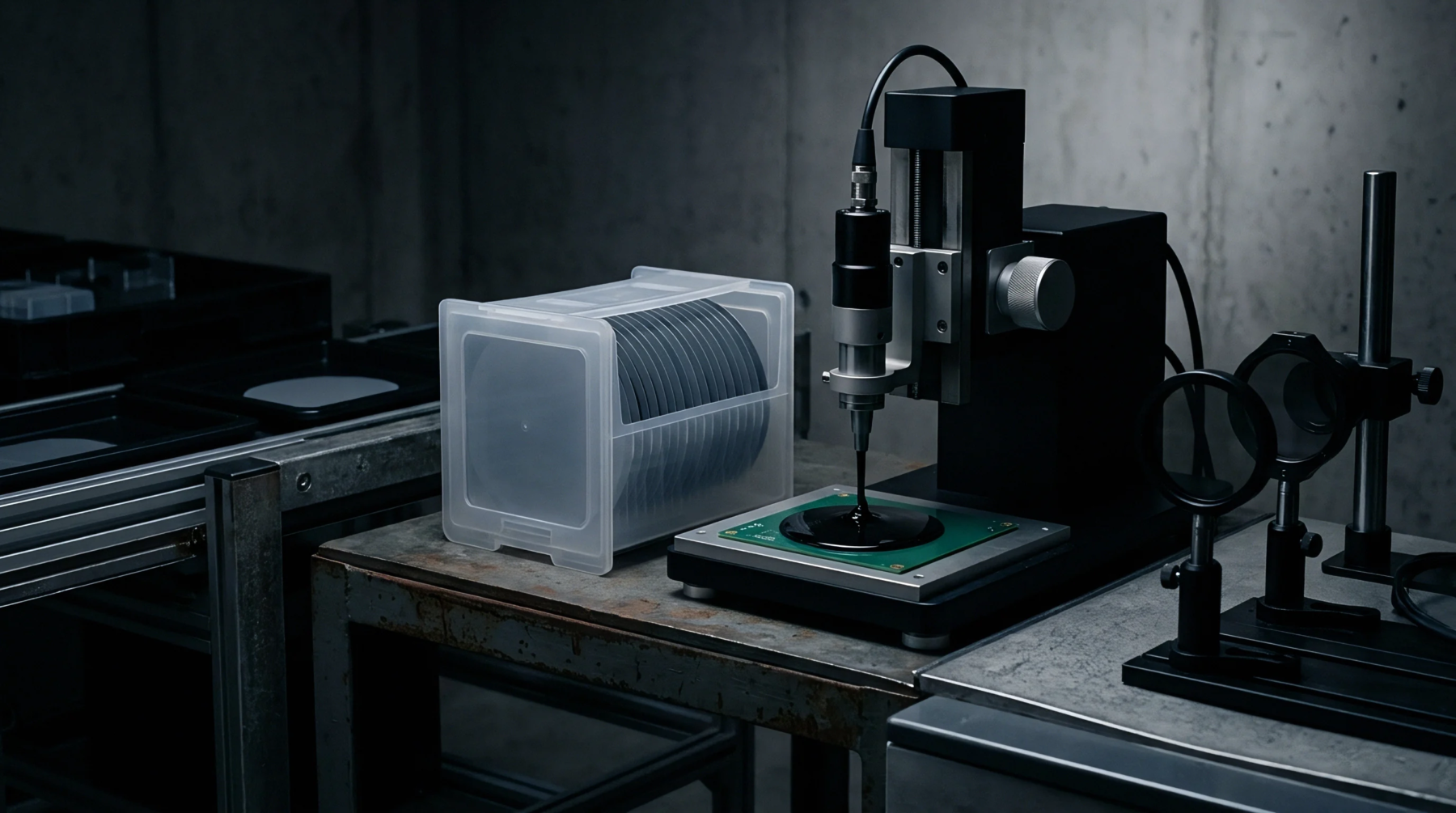
Metrological qualification proceeds through dimensional mapping, thermal cycling and electrical parameter screening against reference conditions defined in the product specification. Engineering teams execute these tests on prototype hardware built during non-recurring engineering phases to discover dimensional drift, assembly interference and thermal stress failures before production tooling is cut. Calibration procedures establish measurement accuracy against primary standards, whereas adjustment protocols correct systematic bias discovered during initial characterization runs.
Tolerance limits set by the design authority govern whether a measured deviation requires a geometry revision or a tooling modification.
Production Tooling
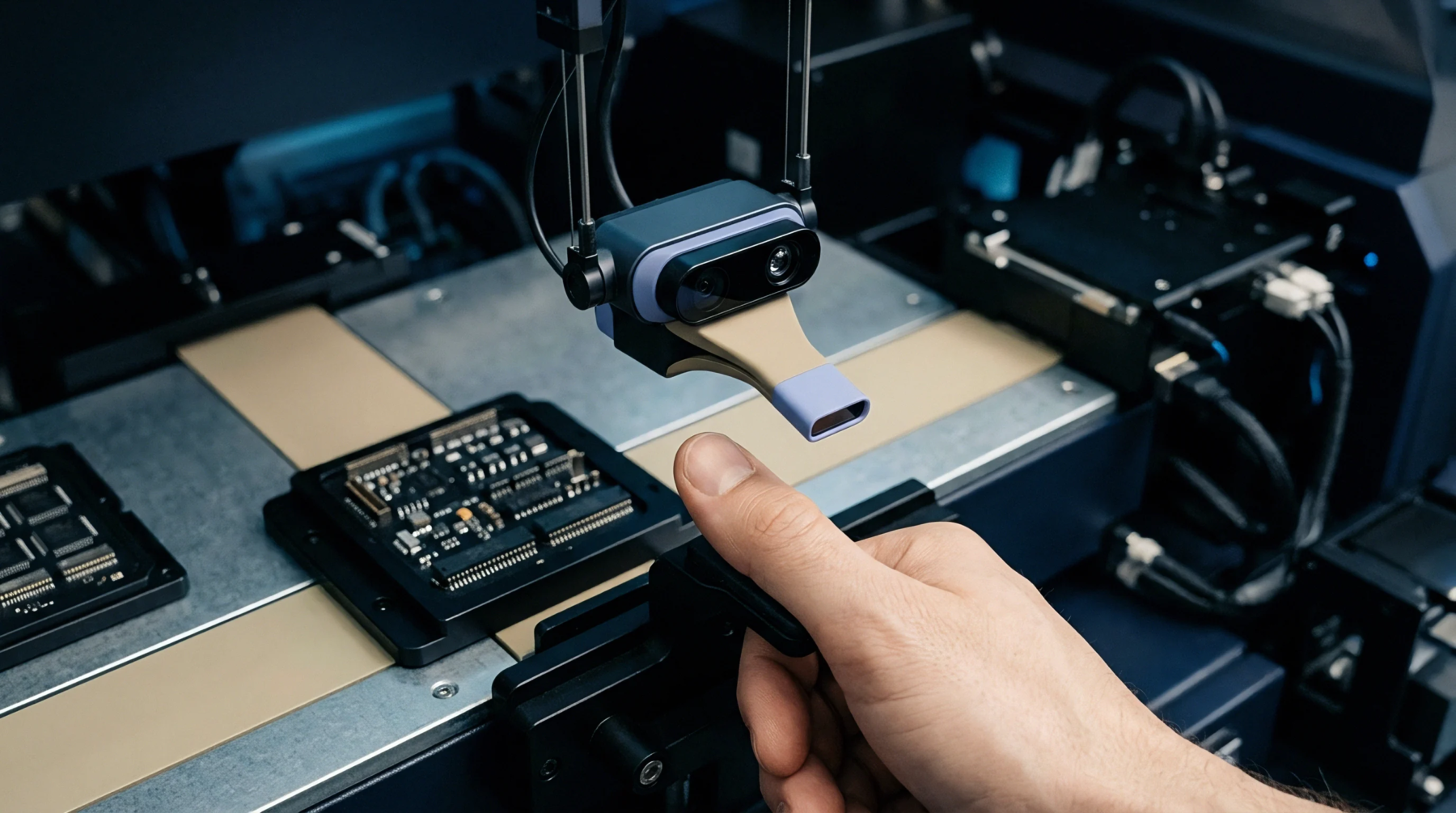
Manufacturing transfer occurs when design files transition to automated machining centers, injection molding presses and surface mount placement lines built specifically for the contracted component. Tool wear, thermal expansion and mechanical backlash introduce systematic errors that technicians measure and correct during initial tryouts. Fixture rigidity directly affects final assembly precision, forcing fabricators to maintain tight thermal controls within the cleanroom environment during the fabrication of the master die.
Calibration drift in the automated test equipment invalidates qualification data, requiring secondary artifact standards to reset the baseline before final customer sign off occurs.
Volume Amortization
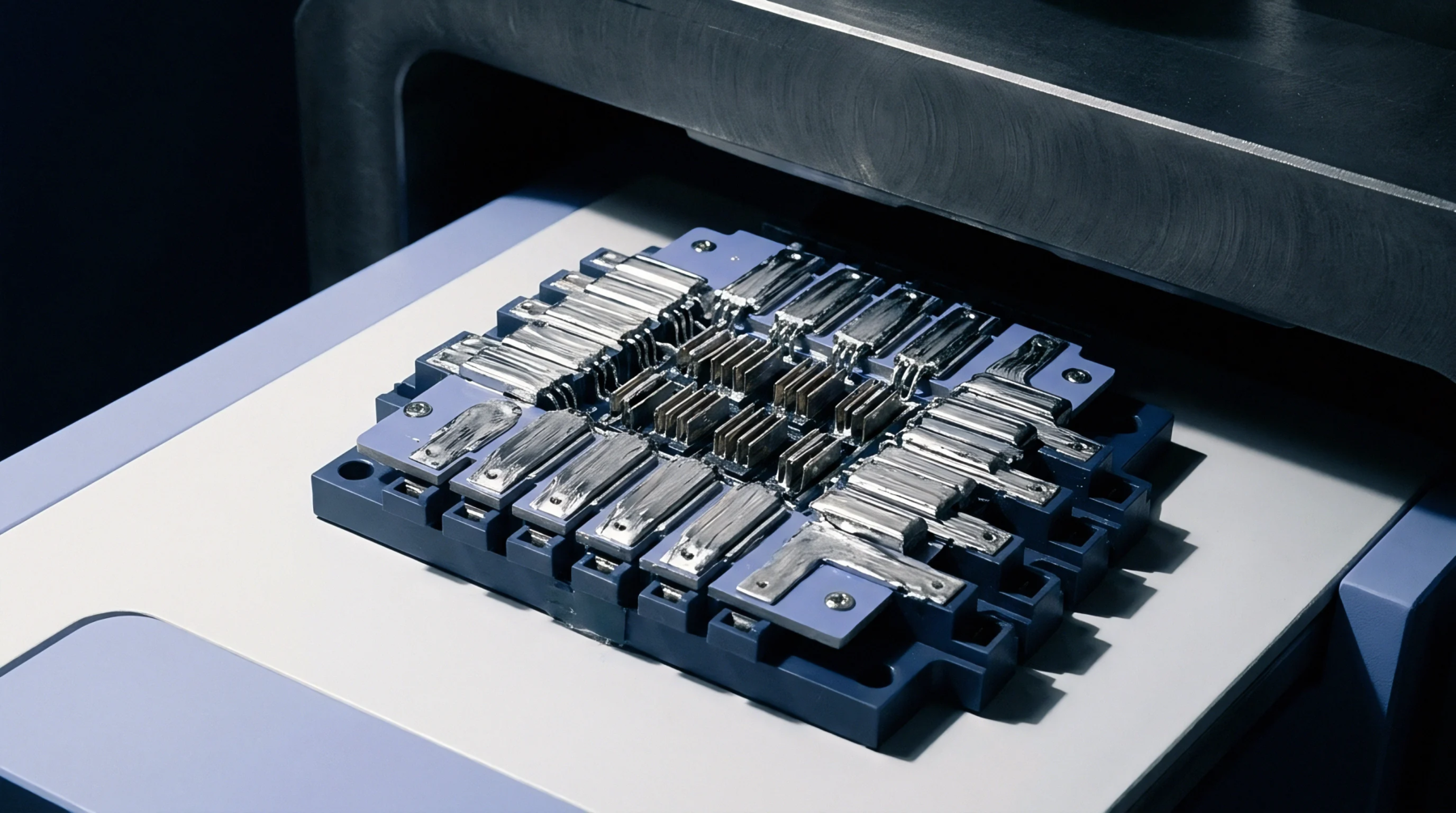
Financial recovery schedules depend upon contracted production volumes, scrap rates and yield losses recorded during the initial manufacturing run. Fabricators calculate unit adders by dividing the total development cost by the expected batch size, establishing a price per piece that decreases as total volume increases. Supply chain disruptions alter these projections when component shortages force tooling modifications, generating unbudgeted engineering charges that require renegotiation between the buyer and the supplier.
This economic recovery structure determines the exact threshold where custom hardware transitions from prototype status to high volume commercial manufacturing.