Moisture Classification
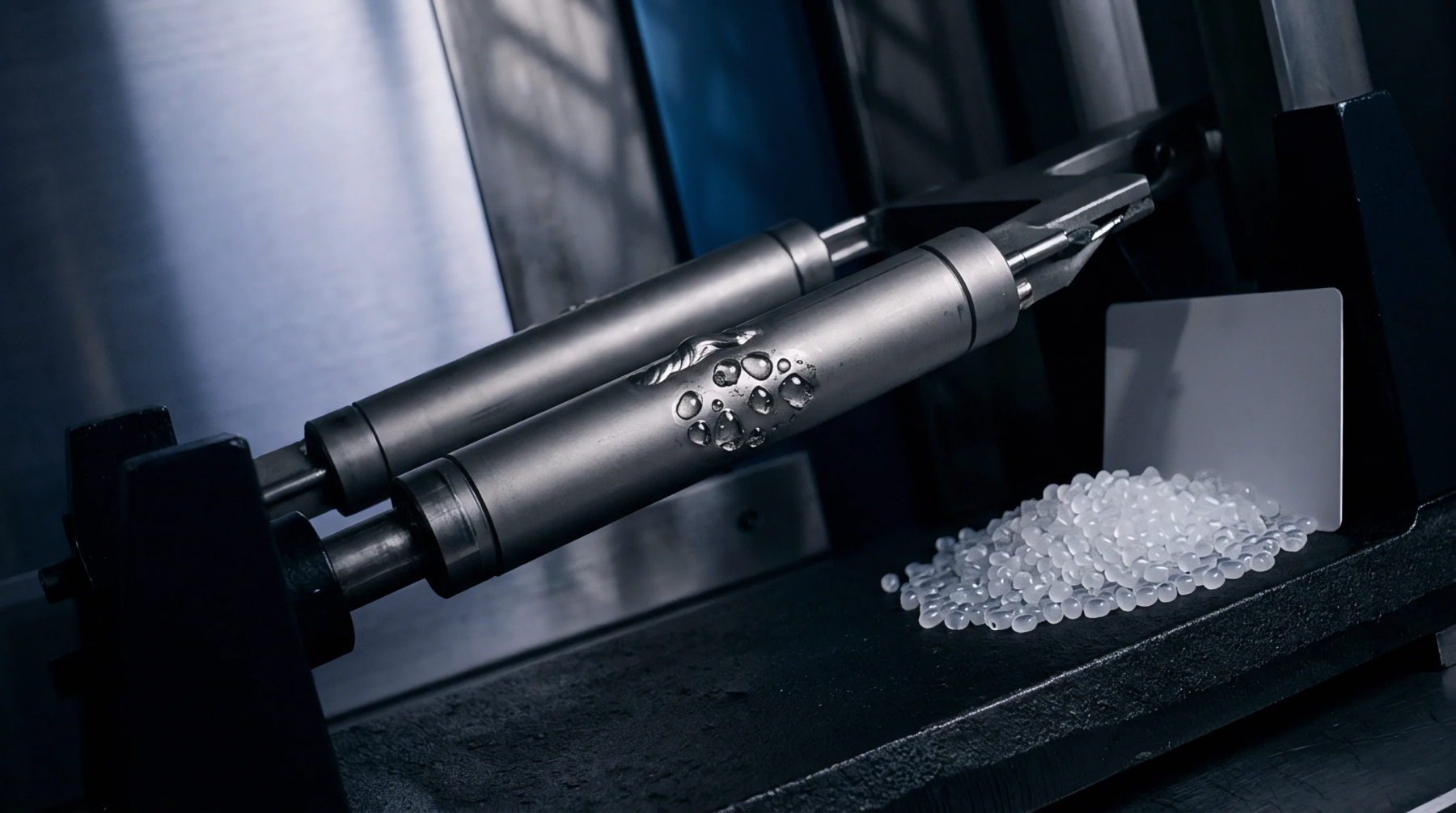
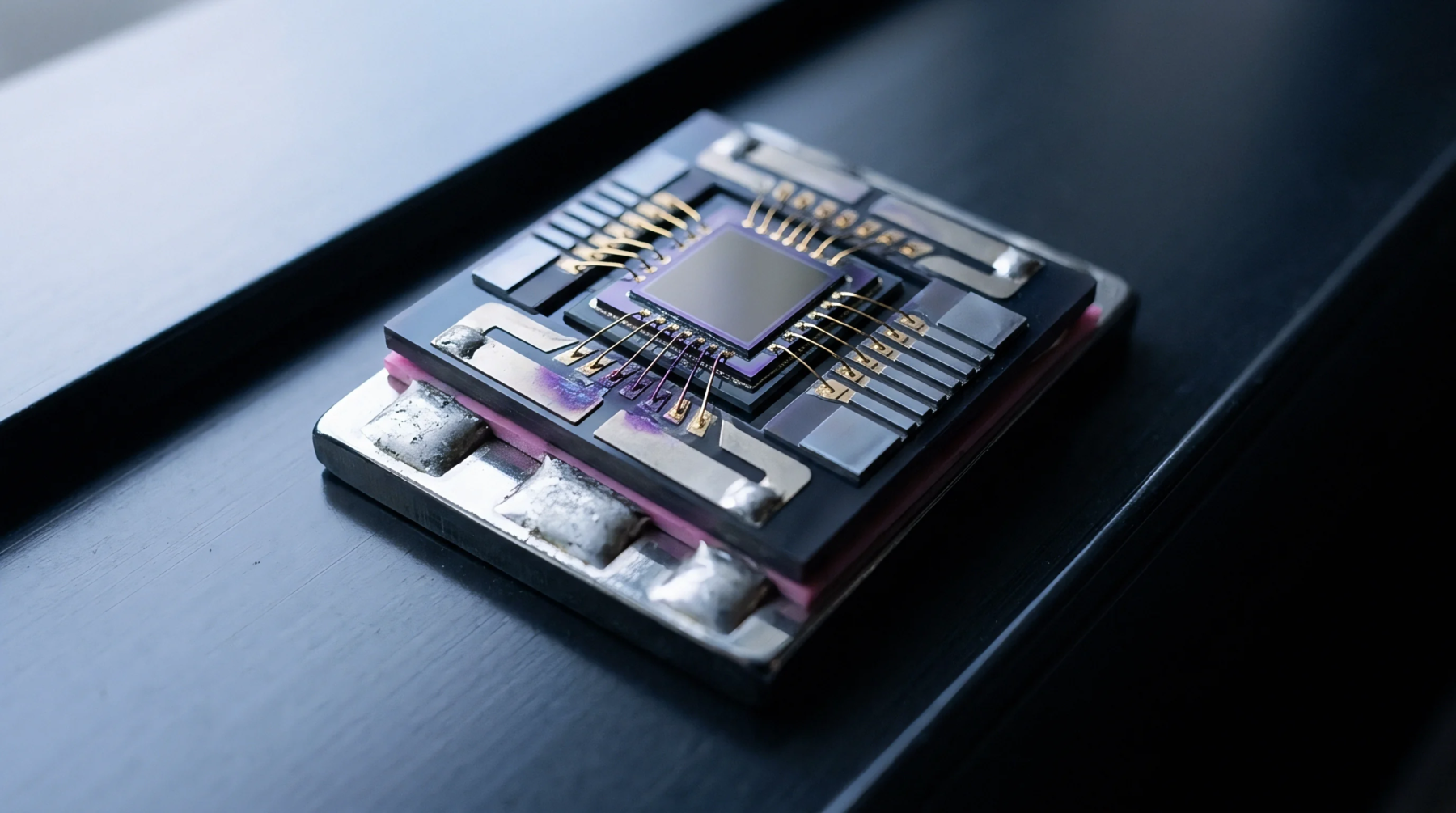
Classification methodology establishing environmental exposure thresholds for nonhermetic surface mount devices during manufacturing assembly. J-STD-020 defines moisture sensitivity levels based on controlled temperature and humidity conditioning followed by standardized reflow thermal stress. Semiconductor components absorb ambient atmospheric humidity during storage and handling before placement on printed circuit boards.
Residual moisture trapped inside plastic packaging expands rapidly during high temperature solder reflow processing. Internal vapor pressure generates mechanical stress that cracks package bodies and delaminates internal interfaces. Qualification testing determines the exact time limit components can remain outside protective dry bags before exposure causes structural failure.
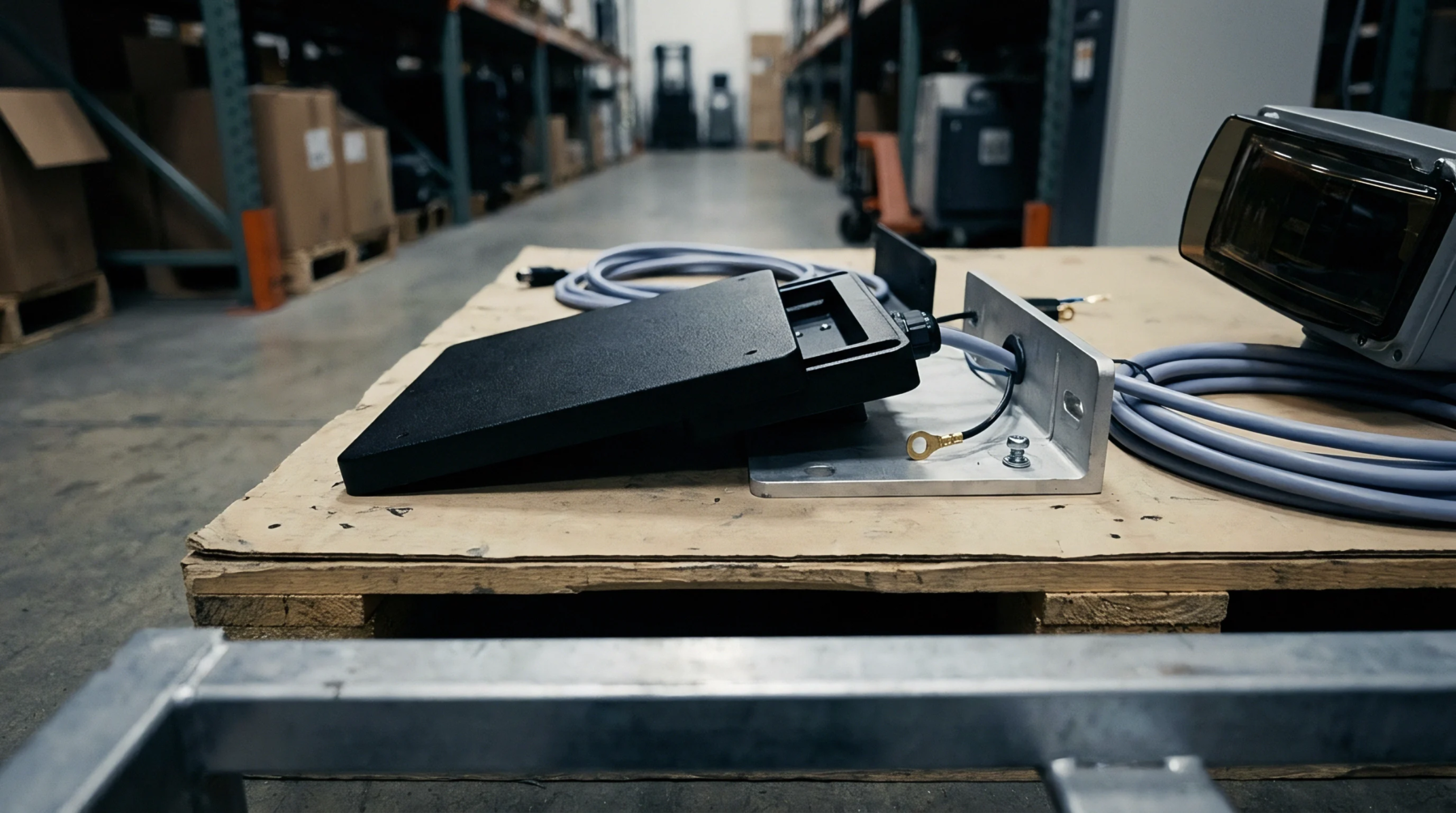
Manufacturers stamp classification levels on barrier bag labels to govern shop floor exposure durations.
Thermal Profiling
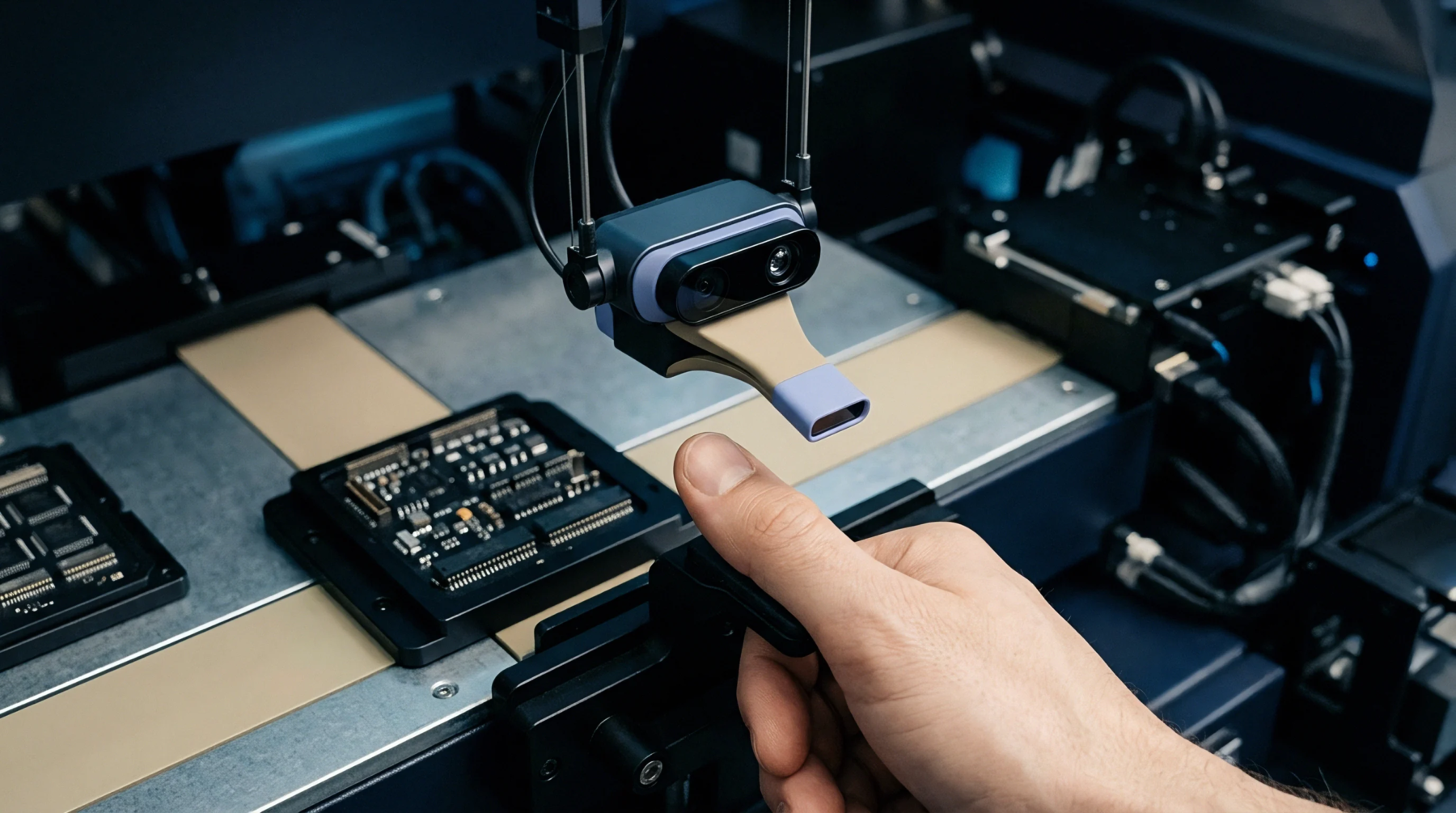
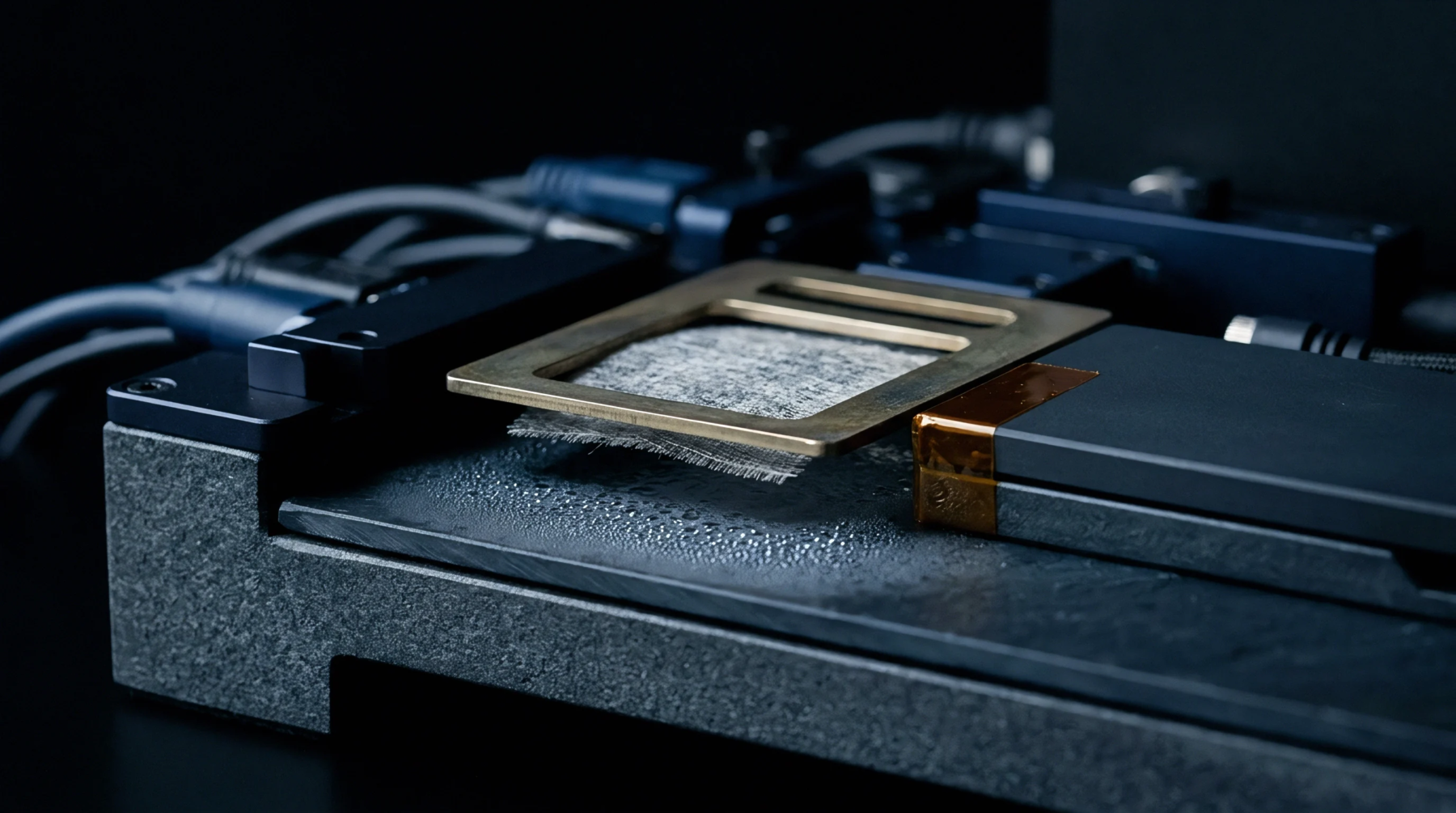
Thermal exposure parameters replicating infrared convection soldering conditions during electrical verification procedures. Peak package body temperature measurement dictates whether moisture sensitivity testing matches maximum factory assembly limits. Thermocouples attached directly to component packages record thermal gradients during convective heating cycles.
Ramp rates and dwell durations match the exact profile specified for lead free solder pastes. Thermal shock severity depends on the mass of the package and the conveyor speed of the reflow furnace. Calibration of infrared sensors prevents false readings caused by radiative coupling rather than ambient air temperature.
Structural Inspection
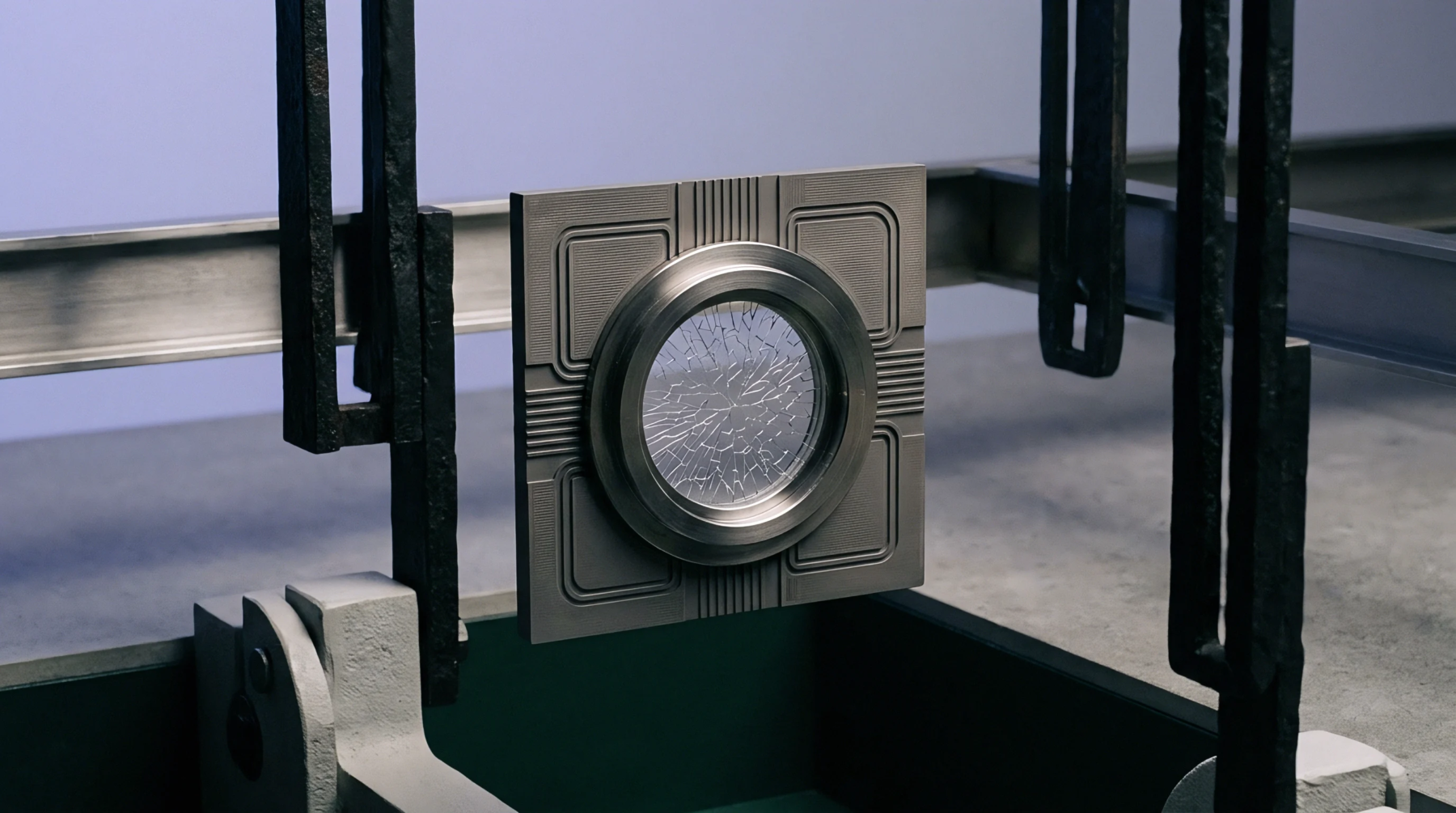
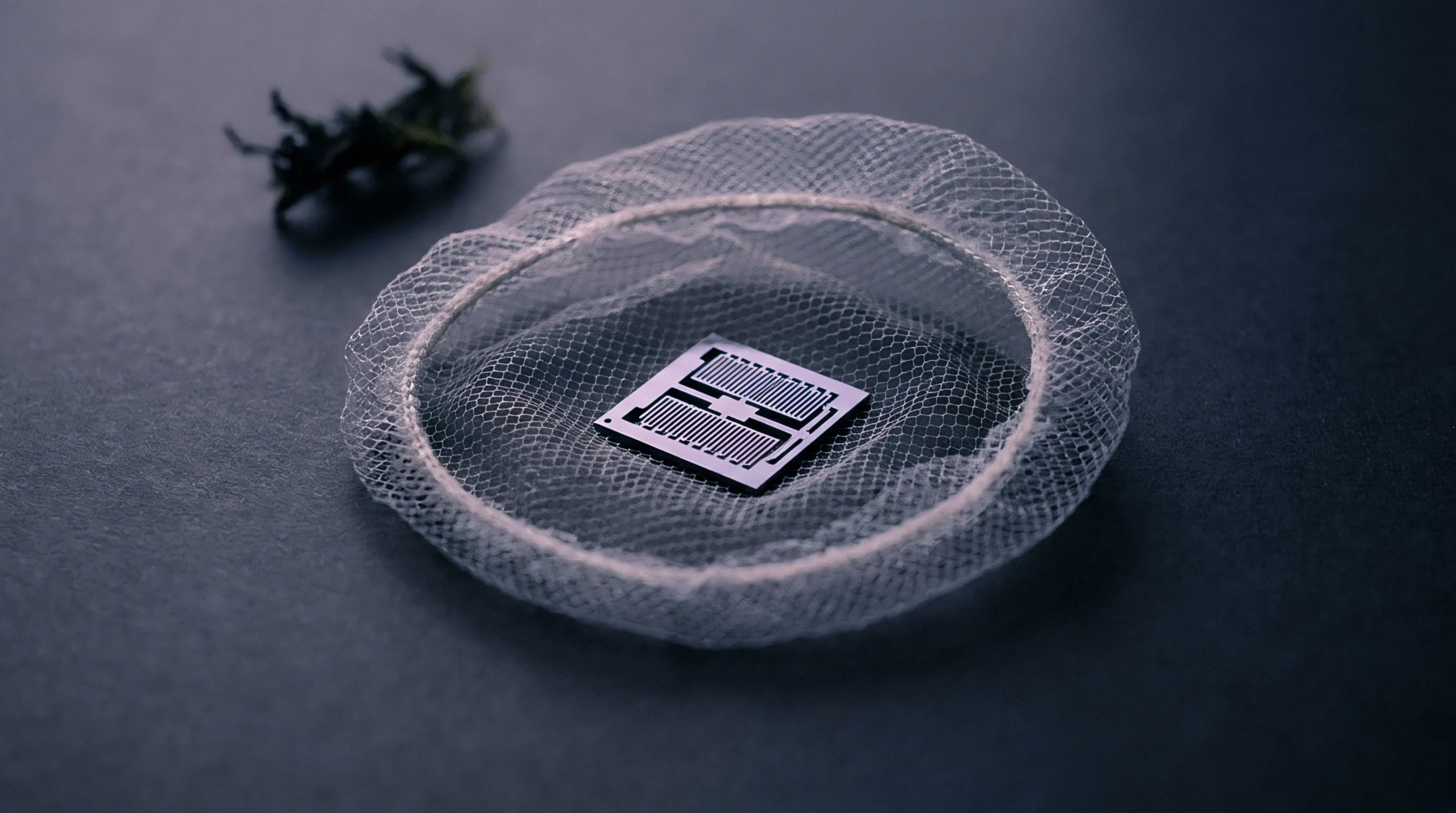
Post stress nondestructive analysis verifying internal package integrity after moisture conditioning and thermal cycling. Acoustic micro imaging detects internal delamination by bouncing high frequency sound waves off internal material boundaries. Reflected echoes reveal microscopic voids and cracks formed by vapor pressure without destroying the device.
Visual examinations under magnification identify external cracks protruding through the mold compound toward electrical leads. Cross sectioning provides destructive validation when acoustic results require optical confirmation of internal damage.
Process Verification
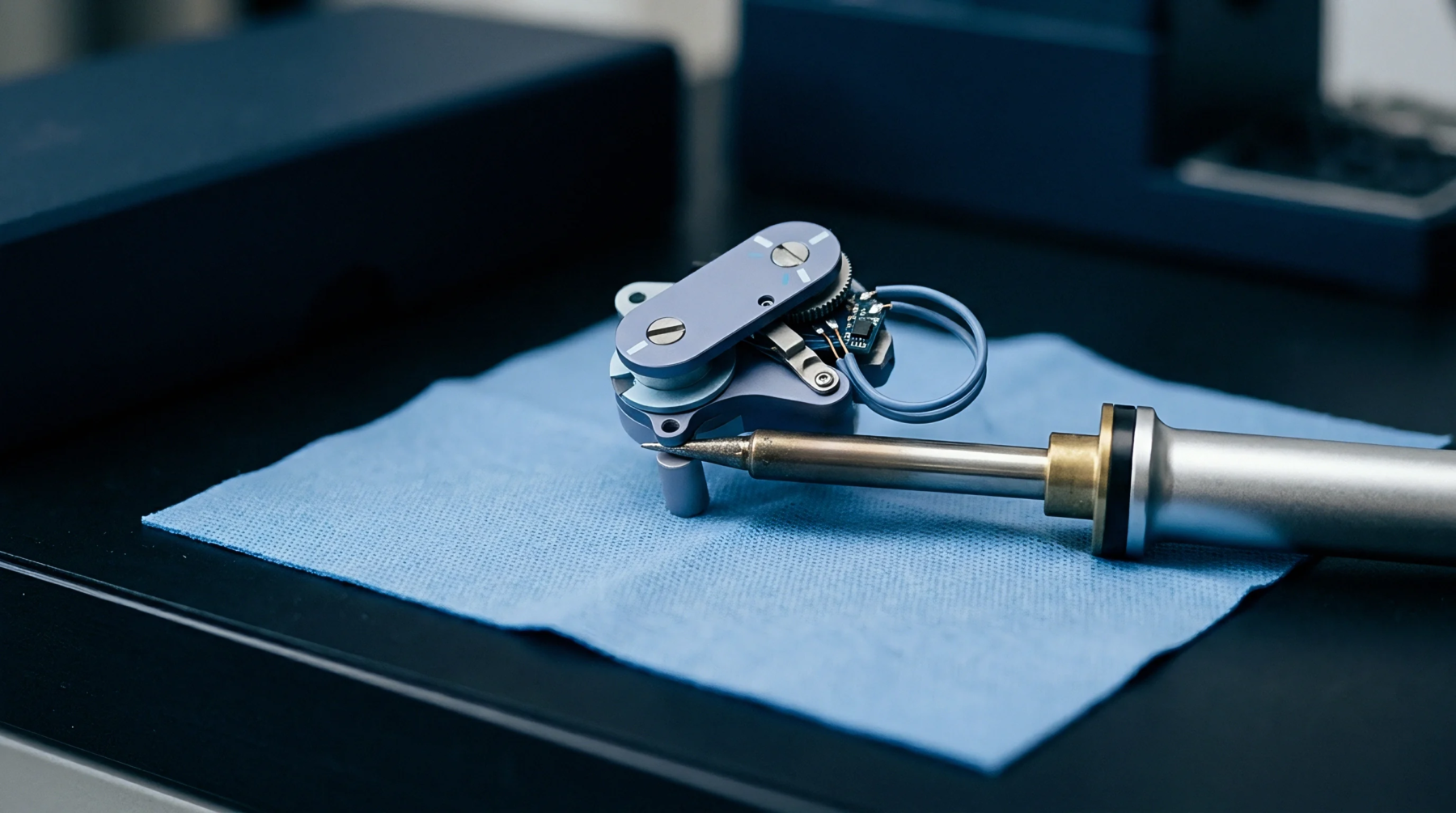
Qualification protocols ensuring baseline component reliability prior to volume surface mount manufacturing operations. Dry pack requirements establish baking schedules for parts exceeding allowable floor life limits in ambient air. Humidity indicator cards change color inside sealed bags to signal moisture ingress during warehouse storage.
Factory environments maintain controlled conditions to prevent components from absorbing water beyond established classification thresholds. Operational compliance minimizes assembly defects and secures long term reliability in finished electronic equipment.