Epoxy Molding Compound Moisture Absorption Kinetic Fundamentals
Moisture kinetics in epoxy molding compounds dictate reflow vapor pressure, package strain, and MSL floor life across surface mount assembly lines.
Sorption
Atmospheric moisture diffuses directly into the polymer matrix of encapsulated microelectronic packages whenever ambient vapor contacts outer package surfaces. Commercial epoxy molding compounds combine thermosetting resins with silica filler particles, flame retardants, and crosslinking agents. Ingress occurs through temperature-dependent activated diffusion, with water molecules migrating through the matrix free volume between polymer chains.
Higher operating or ambient temperatures increase chain mobility, opening up additional free volume and accelerating the rate of moisture uptake.

Fickian Diffusion Mechanics
During initial absorption, mass uptake in solid polymeric encapsulants scales linearly with the square root of exposure time. Classical diffusion modeling relies on Fick’s Second Law, treating the material volume as uniform and isotropic with a constant diffusion coefficient. Under pure Fickian mechanics, moisture concentration approaches a fixed saturation ceiling determined by ambient temperature and relative humidity.
The diffusion coefficient follows an Arrhenius relationship with temperature: thermal energy lowers the barrier required for water molecules to jump between neighbouring free volume cavities. The baseline factor D0 represents molecular mobility within the resin, while the activation energy Ea sets the displacement threshold across the crosslinked network.
Saturated epoxy molding compounds experience reversible plasticization and irreversible chemical chain scission under sustained humidity exposure.
Below the glass transition temperature, matrix chains sit locked in a glassy state that restricts water mobility. Once operating or processing temperatures cross this threshold, the resin softens into a rubbery state, driving up both the diffusion rate and the package’s total saturation capacity. Sustained humidity paired with elevated heat accelerates this softening process.
Langmuir Dual Stage Model
Polar epoxy formulations tend to bind hydrogen hydroxyl groups at microstructural defect sites, a secondary retention mechanism that single-phase Fickian models miss. The Langmuir dual-stage model accounts for this by tracking two separate moisture populations within the package body: mobile molecules drifting through interstitial voids, and bound molecules held by hydrogen bonds at hydrophilic sites.
Mobile molecules travel quickly through the bulk resin to establish early mass equilibrium, while bound water accumulates through slower chemical trapping that can continue over months of storage. Exchange rate constants gamma and beta define the transitions between these free and trapped states.
- Resin crosslink density dictates the free volume fraction available for unbound molecular water drift within the polymer chain matrix.
- Silica filler loading ratio reduces total absorptive resin mass while creating tortuous boundary transport pathways around solid particles.
- Coupling agent chemistry governs interfacial bonding strength between glass microspheres and the surrounding thermosetting polymer matrix.
Moisture gradients across surface-mount packages remain uneven throughout transit and storage. Outer package boundaries reach equilibrium with the surrounding air within hours, but deep internal interfaces near the silicon die can require hundreds of hours before absorbing measurable amounts of water.
Whether ambient moisture entrapment inside the micro-cavity alters the crosslink density over ten-year operational spans remains an active area of empirical study.

Swell
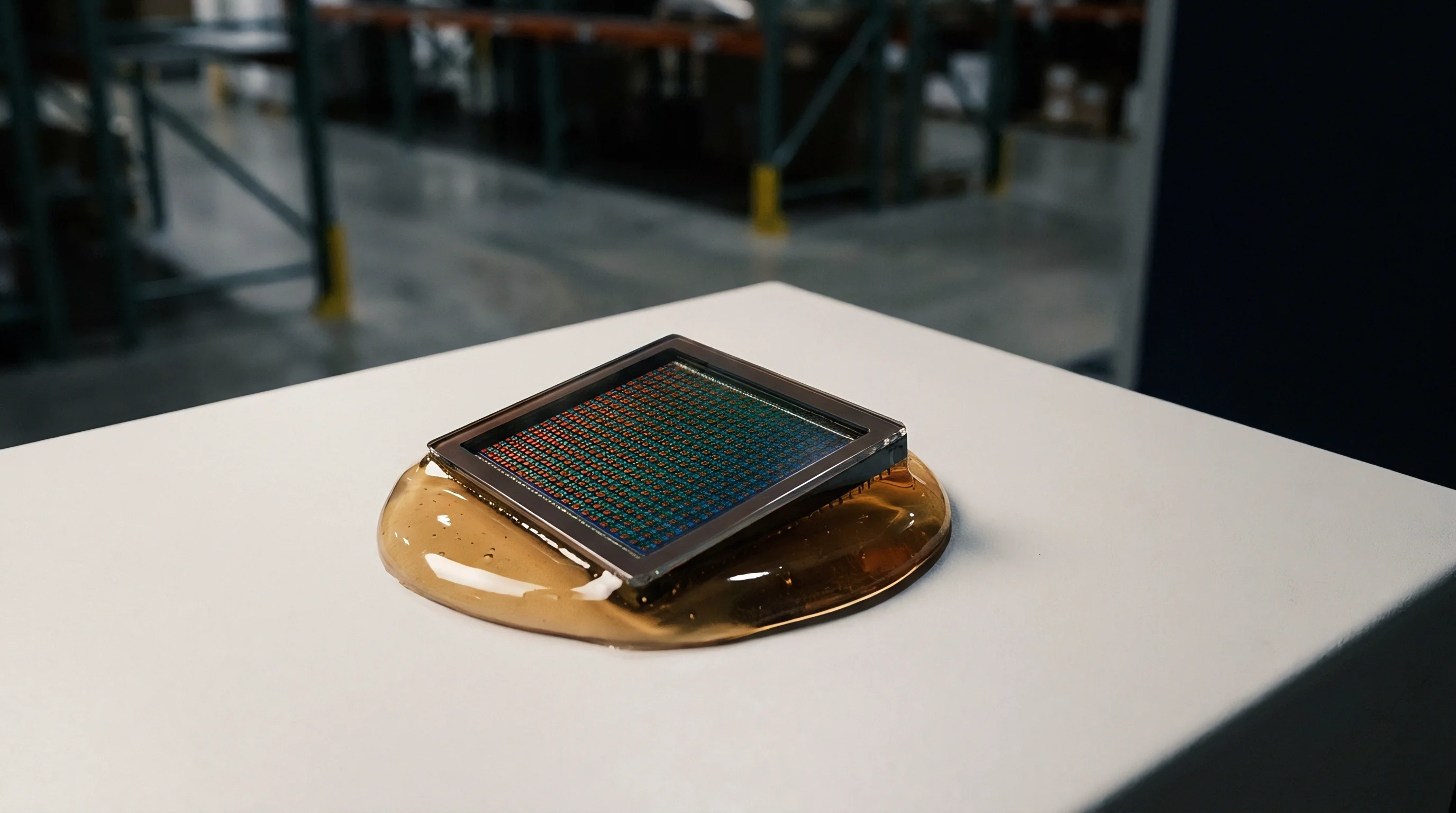
Absorbed moisture forces thermosetting encapsulants to expand. As water molecules occupy free-volume cavities, they disrupt local Van der Waals bonds and push adjacent polymer chains apart, generating isotropic volumetric strain throughout the bulk molding compound that presses against embedded internal structures.
Coefficient of Hygroscopic Swelling
Linear swelling strain tracks local moisture concentration through a single material ratio: the coefficient of hygroscopic swelling beta, which scales physical deformation to absorbed water mass per unit volume. Biphenyl and epoxy-novolac formulations exhibit distinct swelling coefficients depending on their chain rigidity and the density of polar hydrophilic sites.
Hygroscopic strain develops alongside thermal expansion during solder reflow. While heating causes bulk thermal expansion, uneven moisture distribution sets up sharp swelling gradients between the saturated outer shell and dry package interior, generating steep internal shear stresses.
A moisture concentration of two percent by weight produces a dimensional strain of zero point one five percent in standard biphenyl molding formulations at eighty-five degrees Celsius.
Package geometry dictates how swelling stresses distribute across the component. Thin quad flat no-lead packages reach uniform saturation quickly, whereas thicker ball grid arrays maintain steep moisture concentration gradients across their bulk for weeks under standard room conditions.
Package Warpage and Mechanical Strain
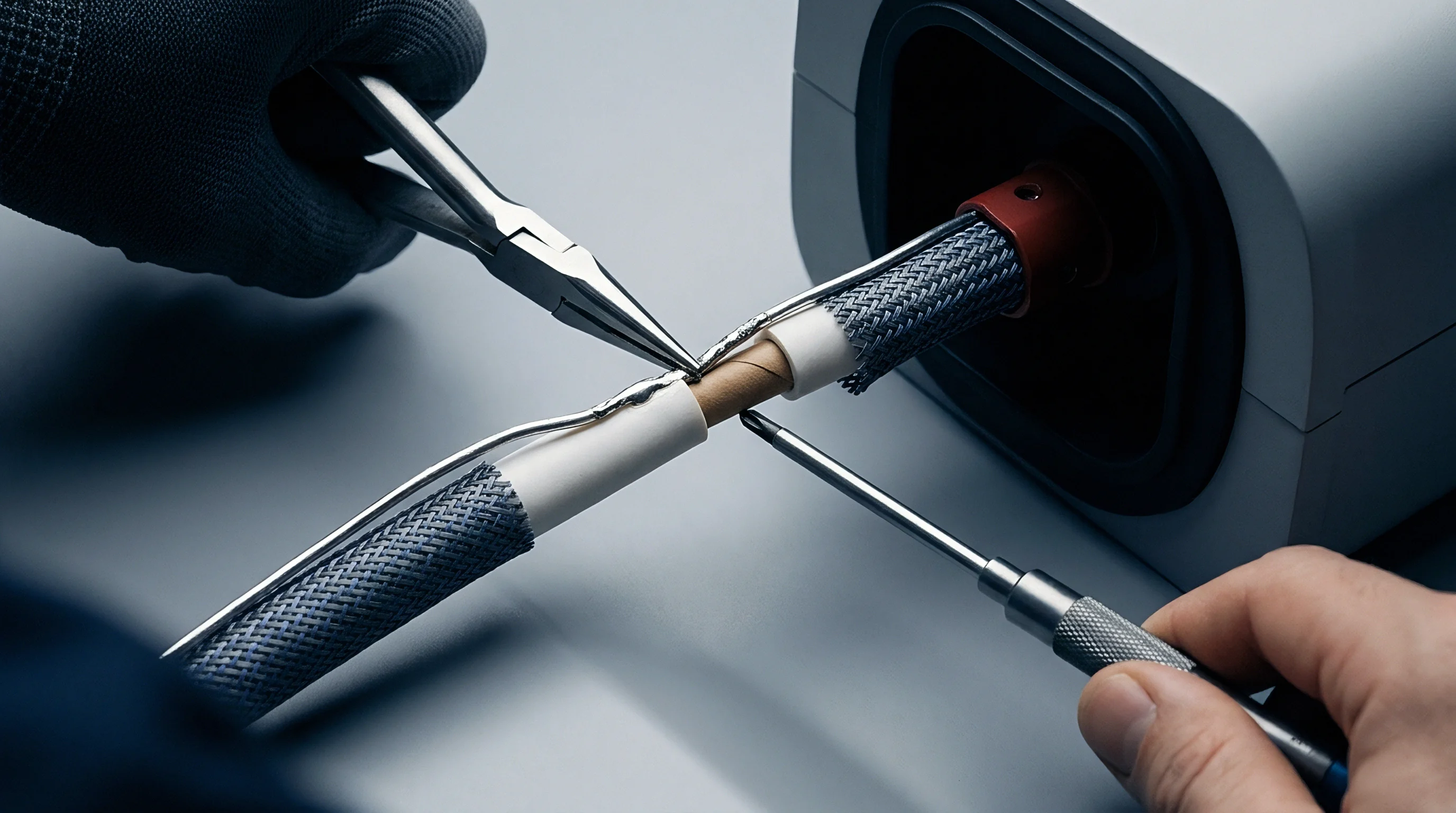
Mismatches in expansion rates between the silicon die, metal leadframe, and encapsulant create bending moments across the entire assembly. Silicon has a thermal expansion coefficient near two point six parts per million per degree Celsius with virtually no hygroscopic swelling, while epoxy molding compounds combine expansion coefficients between eight and twenty parts per million with substantial hygroscopic strain.
These bending moments warp flat packages into concave or convex shapes, lifting outer corner leads away from board solder pads before reflow solder can solidify. The resulting package strain also shifts calibration offsets in stress-sensitive MEMS sensors, piezoresistive pressure die, and precision analog converters.
- Piezoresistive bridge drift alters zero-point sensor outputs when unbalanced mechanical strain propagates into active silicon sensor diaphragms.
- Interfacial delamination severs organic adhesion bonds along metal leadframe boundaries during thermal cycling events.
- Die crack initiation occurs when tensile bending stresses exceed six hundred megapascals across thin silicon substrates during board flexure.
High shear stresses concentrated at die corners can slice delicate gold and copper wire bonds when the board flexes under moisture-induced warpage.
Thicker plastic encapsulants reduce structural bending moments while increasing total moisture desorptive time during thermal bake cycles.
Vapor
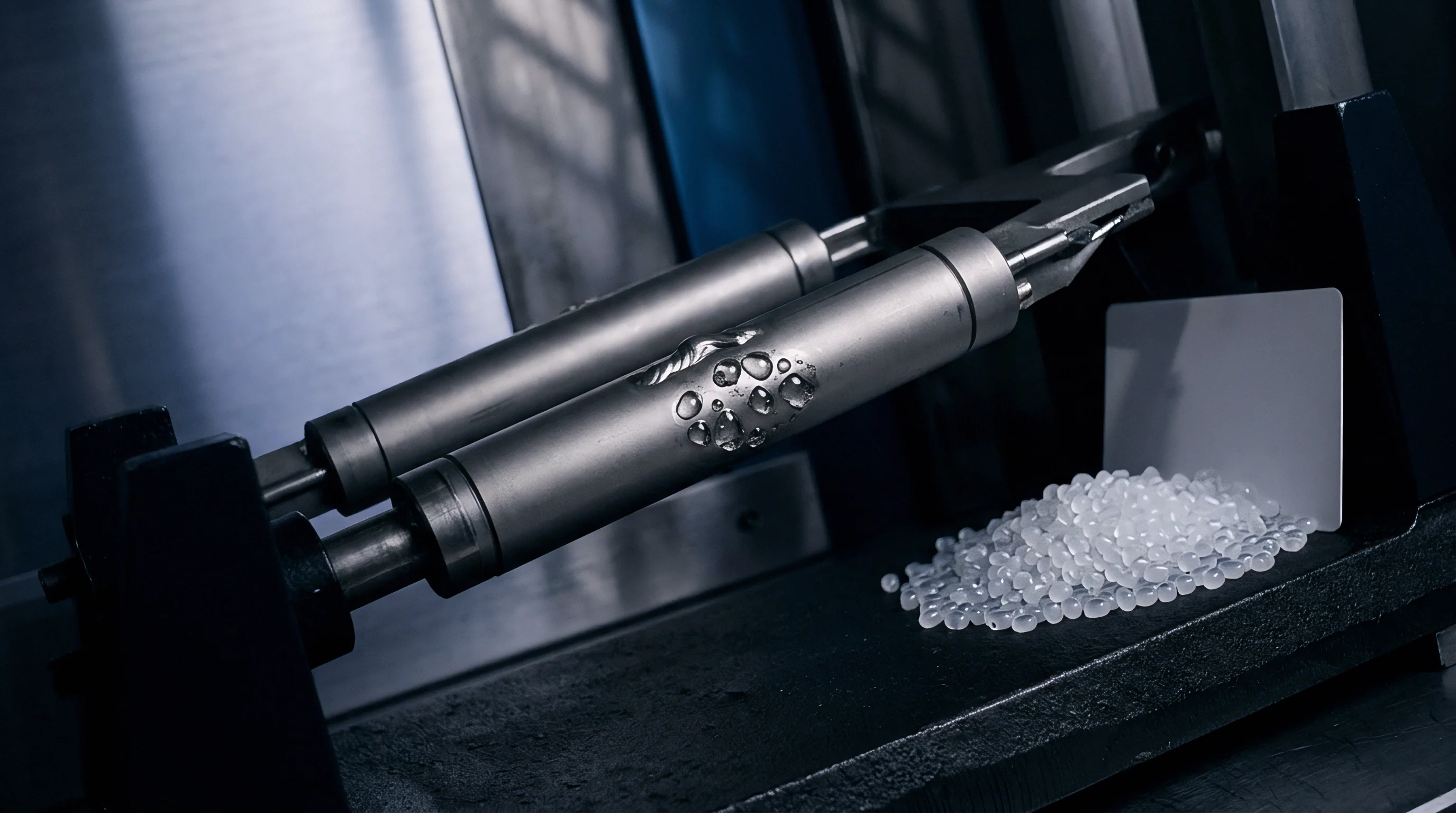
Trapped moisture inside internal voids generates high hydrostatic pressure during board assembly. Lead-free reflow profiles subject surface-mount packages to peak temperatures of two hundred sixty degrees Celsius, causing entrained liquid water within package micro-voids to flash into high-pressure steam.

Saturated Steam Pressure Calculations
Phase changes from liquid to gas drive exponential pressure increases described by the Antoine equation above boiling temperatures. At two hundred sixty degrees Celsius, steam pressure within an internal cavity reaches nearly four point seven megapascals, acting directly against internal package interfaces and encapsulant walls.
When internal steam pressure exceeds the diminished tensile strength of the hot molding compound, the package ruptures violently. This failure mode, known as the popcorn effect, can compromise structural integrity and tear wire bonds or traces apart in seconds.
| Resin Type | Filler Fraction (wt%) | Diffusion Constant D0 (mm²/s) | Activation Energy Ea (eV) | Saturation Limit Csat (mg/cm³) |
|---|---|---|---|---|
| Standard Biphenyl Epoxy | 75 | 0.32 | 0.42 | 4.10 |
| High-Density Multi-Aromatic | 88 | 0.18 | 0.48 | 2.85 |
| Low-Stress Novolac Resin | 80 | 0.25 | 0.45 | 3.50 |
| Sulfur-Cured Anhydride | 70 | 0.55 | 0.38 | 5.20 |
| Data extracted via isothermal dynamic vapor sorption at eighty-five degrees Celsius and eighty-five percent relative humidity per JEDEC JESD22-A120 standards. | ||||
Interfacial shear strength falls off sharply as temperatures approach the resin’s glass transition point. Epoxy molding compounds lose over ninety percent of their mechanical flexural strength at peak reflow temperatures, allowing steam pressure to strip copper leadframes away from the surrounding plastic.

JEDEC Classification Boundaries
Standardized moisture ratings specify how long components can sit on an open factory floor before board assembly. Under J-STD-020, JEDEC defines six Moisture Sensitivity Levels based on pre-conditioning soak tests.
Level 1 parts tolerate unlimited exposure at thirty degrees Celsius and eighty-five percent relative humidity without taking on critical moisture loads. Level 3 parts allow up to seventy-two hours of exposure at thirty degrees Celsius and sixty percent relative humidity before assembly, beyond which components must undergo a controlled thermal bake.
Exceeding the maximum allowed floor exposure time transforms contained ambient moisture into destructive steam pressure during solder reflow.
Procurement teams weigh sensitivity ratings against assembly throughput and inventory turnover. Specifying Level 1 components removes the need for barrier bags and floor-life tracking, but carries higher piece-part costs for the specialized low-absorption resins.
Incorrect moisture classification assignments force entire assembly lots through unneeded high-temperature thermal bake profiles that degrade solderability and double manufacturing cycle times.


Assay
Measuring accurate diffusion coefficients and saturation limits requires pairing dynamic vapor sorption balances with thermomechanical analyzers. During testing, dry cured compound samples are exposed to controlled humidity and temperature steps while quartz microbalances log mass change continuously.

Which Moisture Desorption Profile Prevents Premature Delamination?
Stepped isothermal heating keeps steam pressure generation below the threshold for interfacial shear failure. Ramping temperatures too quickly turns trapped water into steam faster than molecules can diffuse out through the package bulk. A controlled hold at one hundred twenty-five degrees Celsius removes accumulated water while staying below destructive vapor pressures.
Desorption kinetics follow the same Arrhenius temperature dependencies as absorption. Lowering the bake temperature protects lead finishes from thermal stress, but stretches the required bake time from twenty-four hours to more than six days.
- Weigh clean dry package samples on a microbalance with one microgram resolution prior to atmospheric environmental exposure.
- Place packages into environmental test chambers maintained at eighty-five degrees Celsius and eighty-five percent relative humidity.
- Record mass changes at logarithmically spaced time intervals until consecutive readings vary by less than zero point zero one percent.
- Calculate diffusion coefficients using the linear slope of mass gain plotted against the square root of time.
Dynamic vapor sorption systems isolate single variables by controlling dry nitrogen carrier gas mixtures. Isothermal sorption curves reveal whether a specific resin displays pure Fickian absorption or secondary Langmuir binding kinetics.

Acoustic Inspection Methods
High-frequency ultrasound inspection maps internal voids and separation planes without damaging the component housing. C-mode Scanning Acoustic Microscopy focuses ultrasonic waves through a liquid coupling medium into the package body; solid material boundaries produce predictable return echoes, whereas air gaps at delaminated interfaces reflect nearly one hundred percent of the signal.
Transducer F-number selection controls lateral resolution depth inside small-outline surface-mount packages. Analyzing acoustic phase inversions allows inspectors to distinguish dense silicon die surfaces from low-density steam delaminations.
Interface separation can leave post-reflow electrical continuity intact during factory testing while still compromising the package’s long-term mechanical reliability.


Crate
Moisture barrier bags with active desiccant packs shield surface-mount devices from water vapor during transit and warehouse storage. Heat-sealed aluminum foil laminate pouches maintain a dry internal micro-environment throughout ocean freight handling to preserve factory dryness over multi-month shipping cycles.

Desiccant Sizing and Pack Integrity
Standard bag volume formulas calculate the necessary desiccant mass from the target storage window and the pouch’s water vapor transmission rate. Required capacity is expressed in MIL-D-3464 units, where one unit absorbs six grams of water vapor at forty percent relative humidity.
Humidity indicator cards inside the moisture barrier bag provide a quick visual check when the pouch is unsealed. If the ten percent indicator spot turns pink, moisture has breached the barrier, signaling that the components must be baked before placement.
| JEDEC MSL Rating | Floor Life Time | Soak Test Conditions | Dry Pack Required | Desiccant Units (per sq ft) |
|---|---|---|---|---|
| Level 1 | Unlimited | 85°C / 85% RH (168 hrs) | No | 0.0 |
| Level 2 | 1 Year | 85°C / 60% RH (168 hrs) | Yes | 1.5 |
| Level 2a | 4 Weeks | 30°C / 60% RH (696 hrs) | Yes | 2.0 |
| Level 3 | 168 Hours | 30°C / 60% RH (192 hrs) | Yes | 2.0 |
| Level 4 | 72 Hours | 30°C / 60% RH (96 hrs) | Yes | 3.0 |
| Level 5 | 48 Hours | 30°C / 60% RH (72 hrs) | Yes | 3.0 |
Punctured or improperly sealed barrier bags admit humid air quickly, exhausting active desiccant capacity within days during wet-season ocean transit.
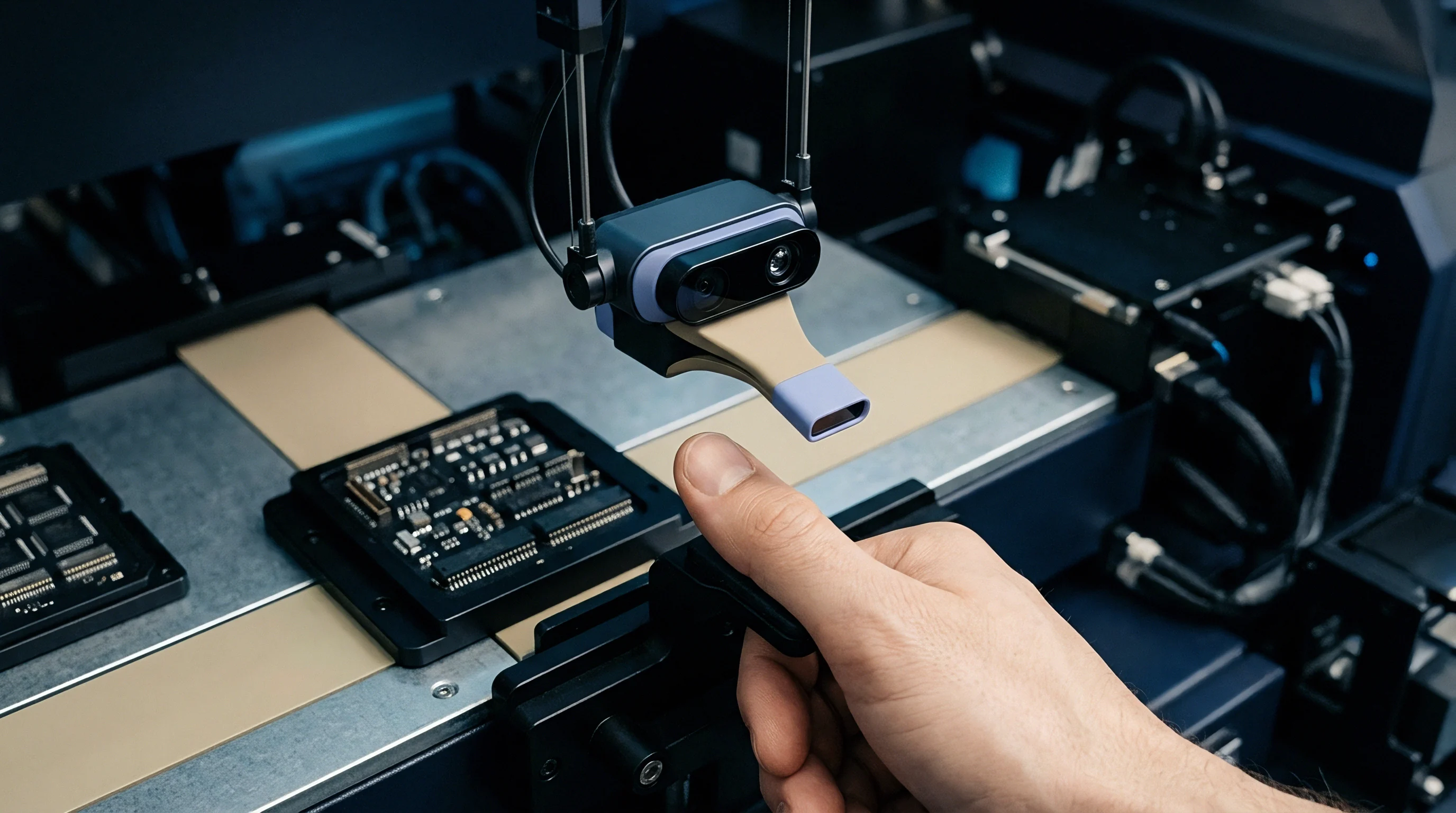
Component Variant Price Ladders
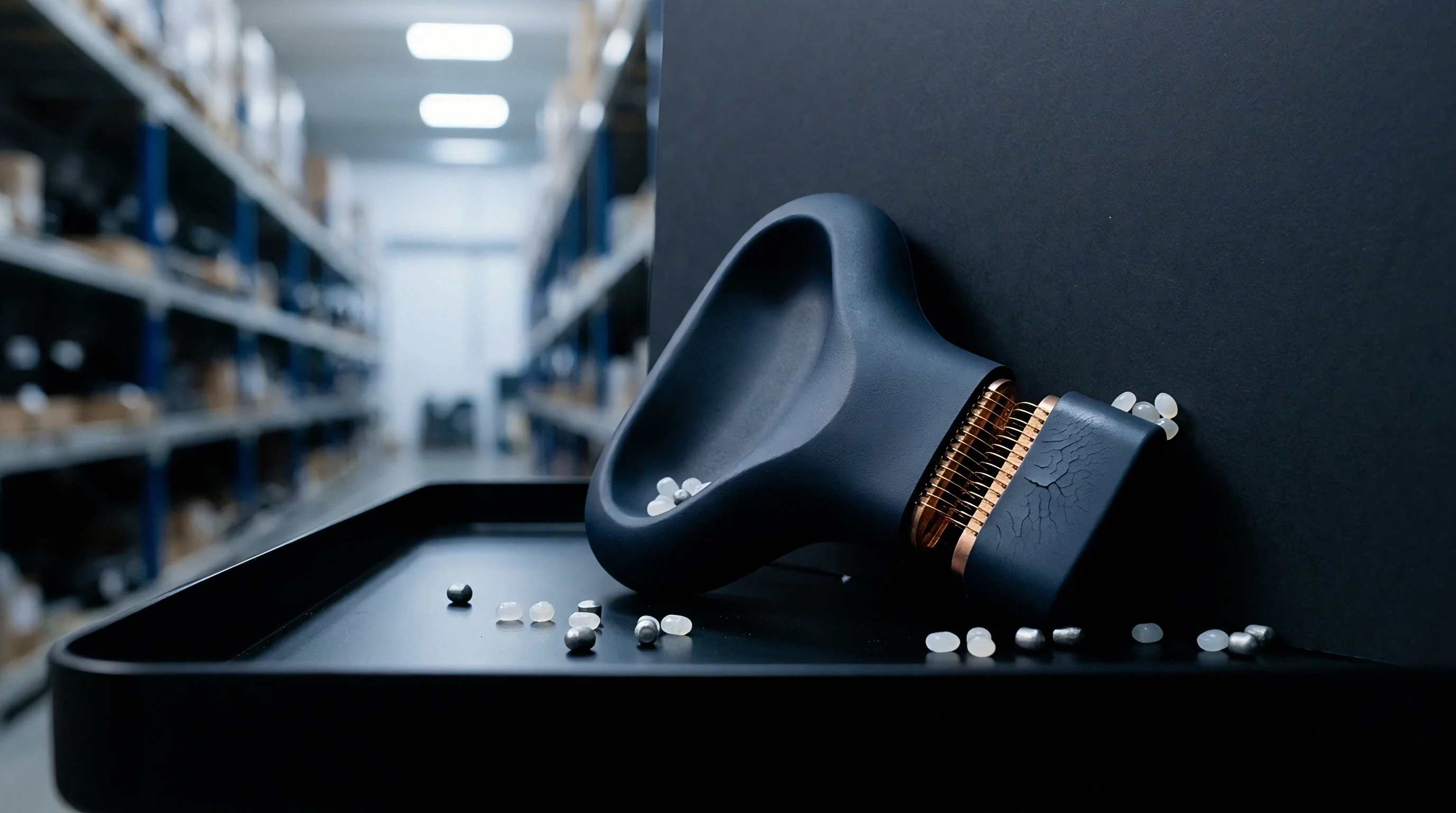
Packaging the same silicon die in different mechanical outlines creates substantial unit cost differences. Bare LGA sensor variants save board space, but carry sensitive moisture ratings that require strict dry-pack inventory controls and tight assembly scheduling.
Cabled probe assemblies use fully potted secondary overmolds to provide environmental sealing, reflected in higher unit prices. Standard QFN packages occupy the middle ground, balancing board density with familiar JEDEC Level 3 floor-life rules.
Standard IPC J-STD-033 dictates that moisture sensitivity bags opened over two hours require immediate humidity indicator card inspection before board mounting.
Procurement terms specifying JEDEC J-STD-033 compliance obligate suppliers to replace vacuum bags displaying exposed humidity indicator cards without added buyer surcharge.