Viscoelastic Rheology in Polymeric Sensor Packaging
Polymeric sensor packaging viscoelasticity causes long-term zero-point calibration drift, demanding thermomechanical screening and stress relaxation modeling.
Polymeric sensor packaging viscoelasticity causes long-term zero-point calibration drift, demanding thermomechanical screening and stress relaxation modeling.
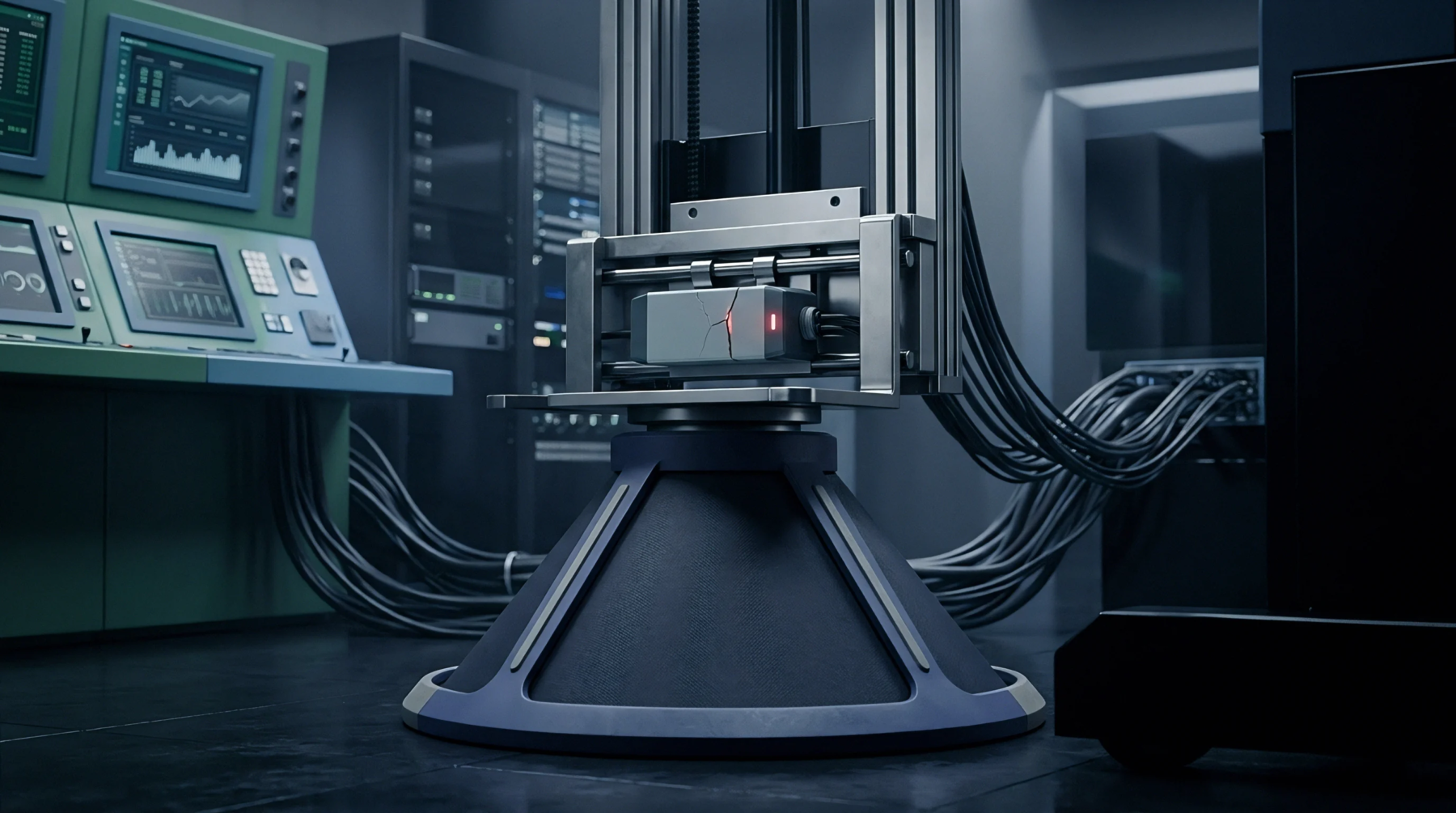
Polymer die attach relaxation changes micro-resonator anchor stress over time, driving bias drift that requires hard eutectic solders or burn-in aging.
Decoupling non-Fickian moisture swelling from viscoelastic relaxation requires differential reference dies and state-observer firmware to hold zero-point stability.

Dynamic temperature shifts in cryogenic structural epoxy master curves demand non-isothermal rate correction factors to resolve physical aging relaxation delays.
Prony series modeling converts polymer relaxation data into actionable sensor zero-drift predictions, isolating packaging strain from true physical signals.
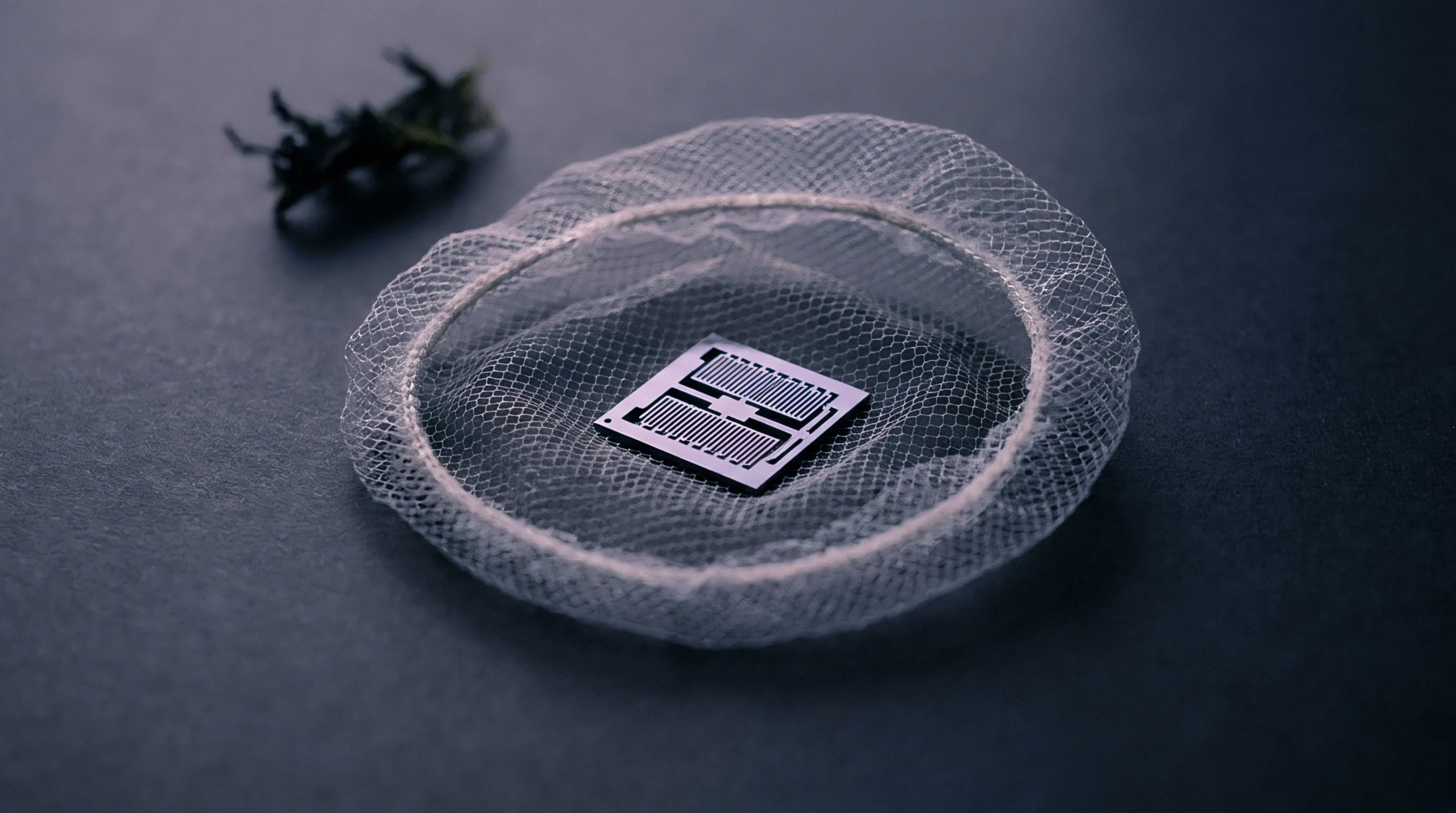
Viscoelastic relaxation in polymer die attach causes time-dependent strain transfer to MEMS proof masses, driving long-term zero-g offset drift.
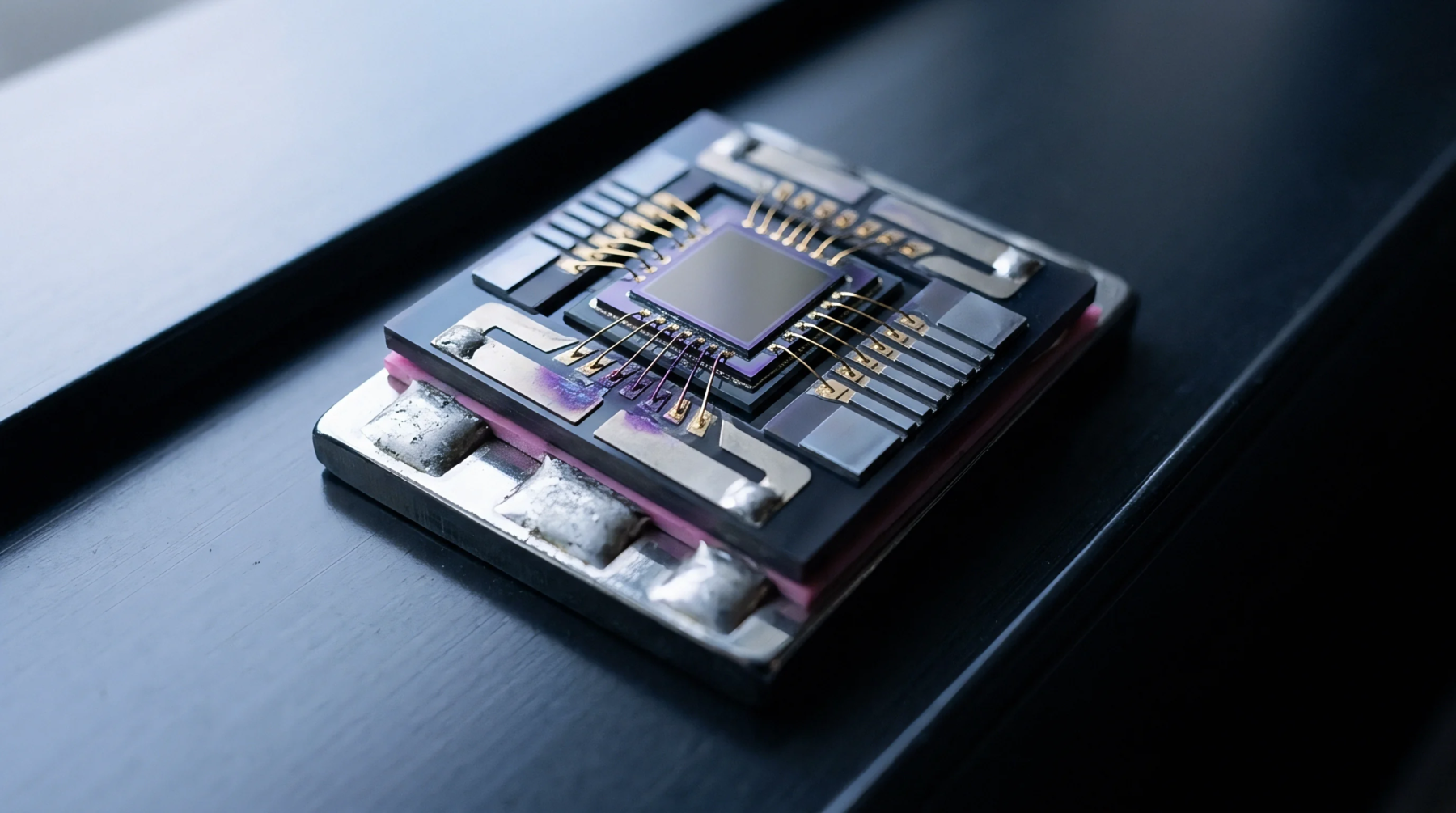
Substrate viscoelastic relaxation and thermal expansion mismatch induce time-dependent, hysteretic offset drift in MEMS requiring mechanical anchor isolation.

Thermomechanical stress relaxation in MEMS suspensions causes long-term zero-g bias drift that requires Prony series modeling and state estimation to mitigate.

Viscoelastic stress relaxation in sensor potting creates non-linear strain hysteresis, requiring generalized Maxwell modeling to prevent zero-point calibration drift.
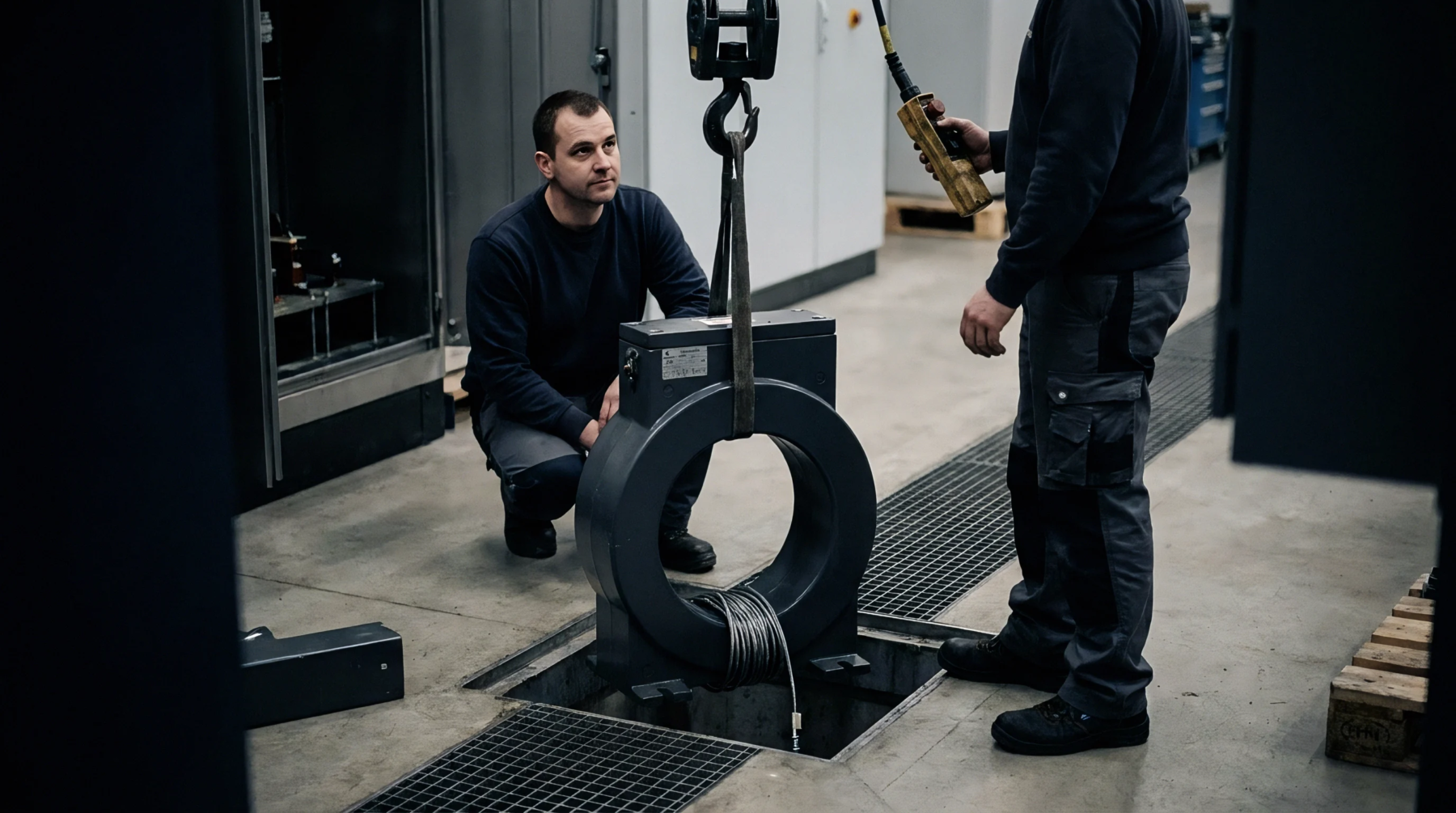
Viscoelastic creep in die attach epoxies drives zero offset hysteresis; low-modulus adhesives minimize stress transfer to preserve long-term transducer balance.
Expertise is a utility, not a secret. sentiention™ publishes its working knowledge as open reference: intelligence layer covering the materials it sources, the markets it enters, and the reference that serves both.