Adhesive Relaxation
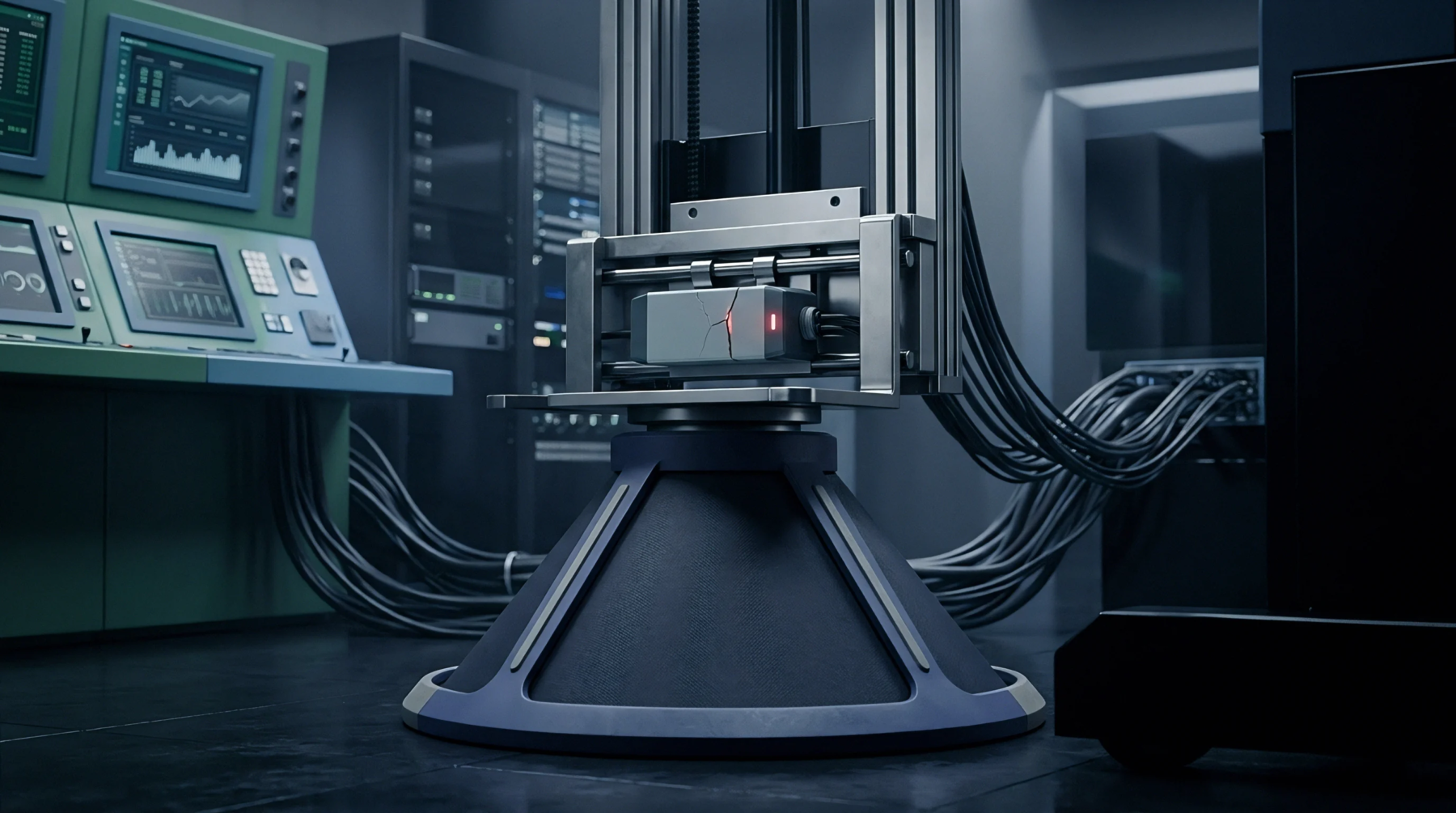
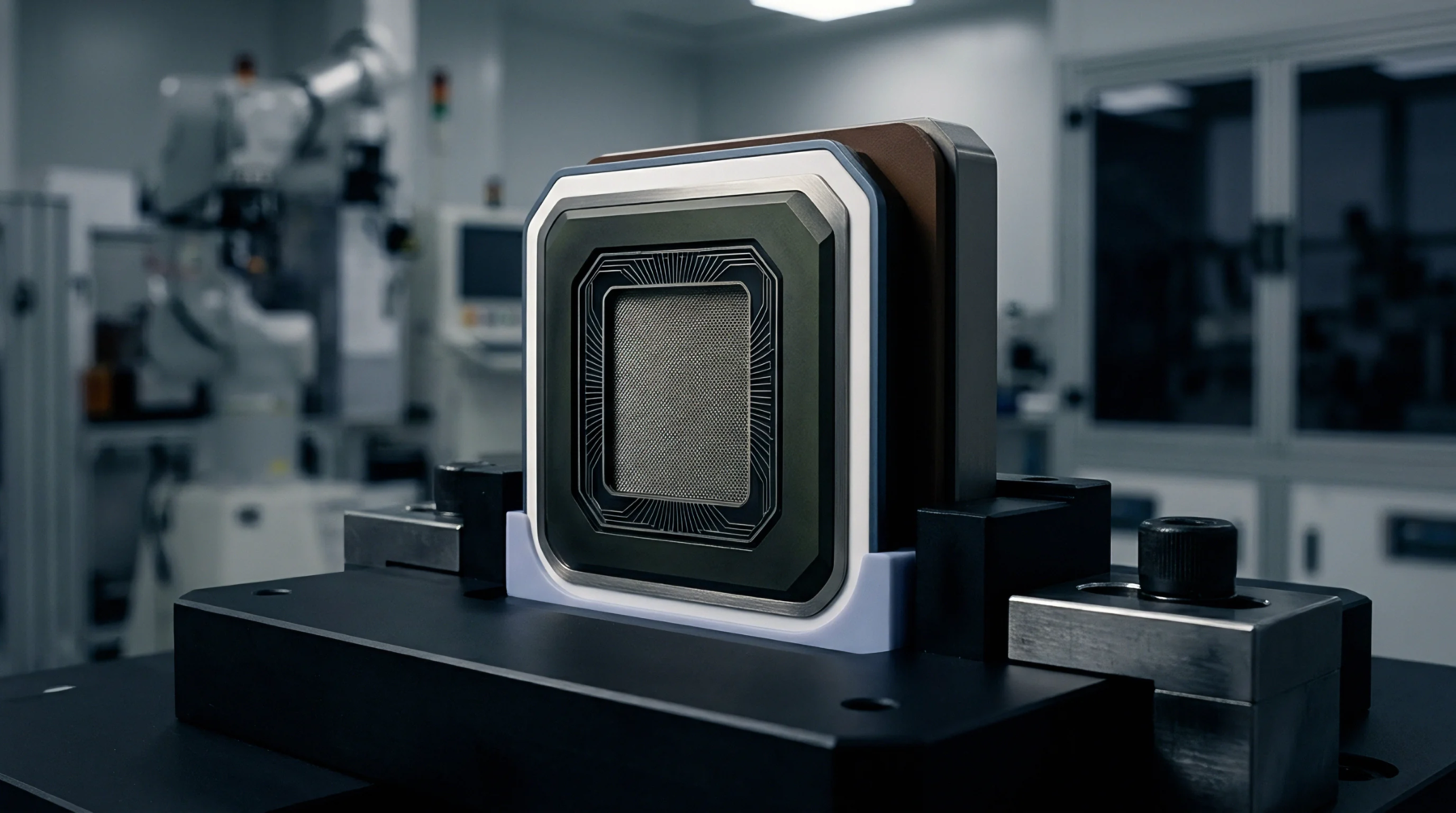
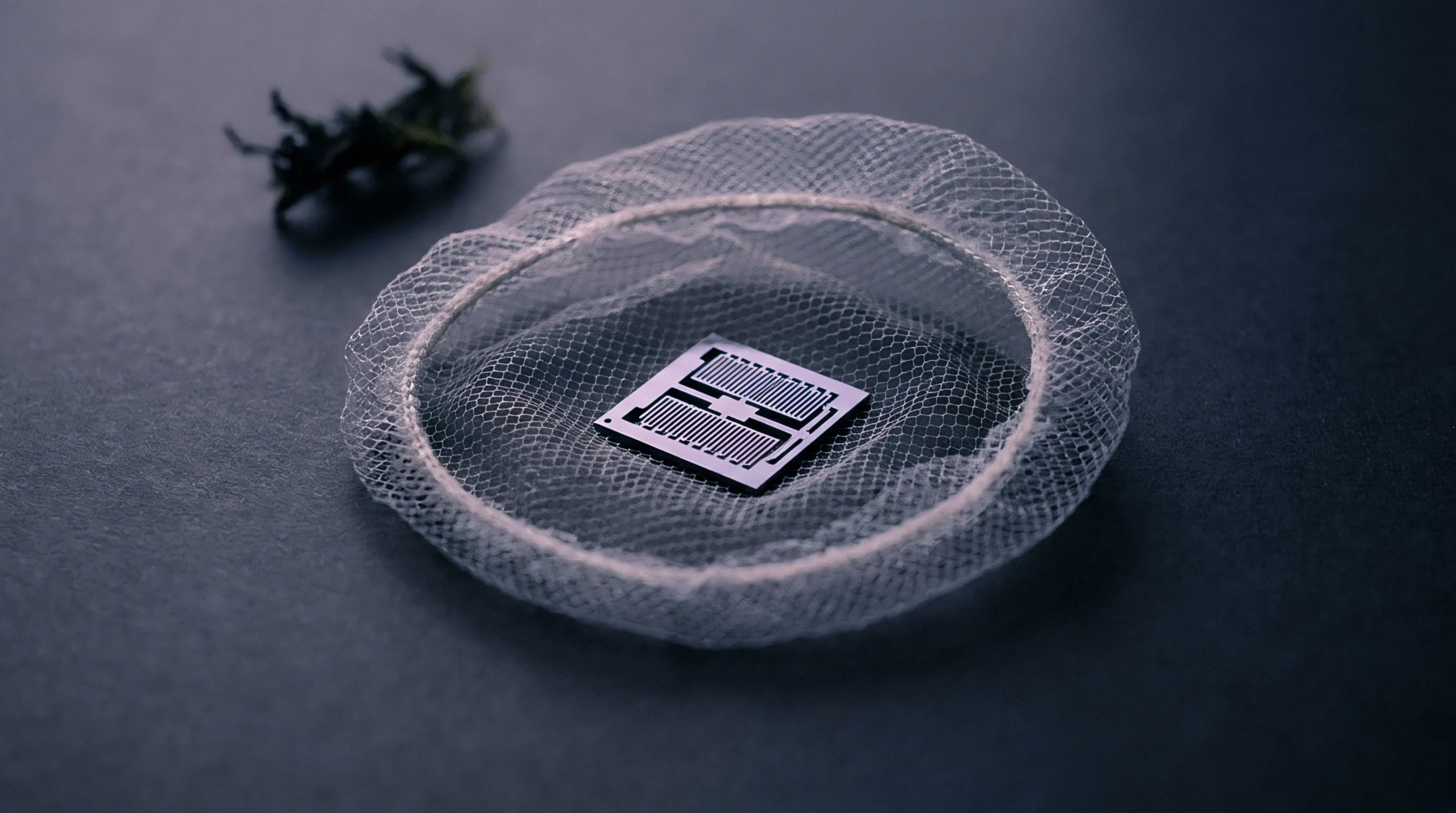
Time-dependent inelastic deformation within bonding adhesives shifts semiconductor die position relative to package substrates under continuous mechanical load. In microelectronic sensor manufacturing, die attach creep characterizes the slow, irreversible shear deformation of epoxy or conductive paste layers holding a silicon sensor element to its carrier. The material response governs long-term baseline drift in pressure sensors and accelerometer bridge circuits.
Boundary limits occur where viscoelastic relaxation reaches mechanical equilibrium.
Interface Mechanics
Continuous mechanical stress originating from packaging encapsulation drives microscopic polymer chain rearrangement. During prolonged operation at elevated temperatures, die attach creep redistributes internal stress gradients across the active sensor diaphragm. Piezoresistive bridge elements experience continuous strain shifts that alter offset voltage independent of applied physical stimuli.
Epoxy formulations with higher glass transition temperatures reduce relaxation rates.
Zero Drift
Signal processing algorithms cannot easily distinguish mechanical relaxation from genuine physical measurand changes. Uncontrolled die attach creep causes zero-point calibration drift in industrial pressure transmitters over operating life. Accelerated aging at maximum temperature establishes rate constants for long-term offset predictions.
Sensor designs using gold-silicon eutectic bonding eliminate polymeric creep mechanisms entirely.
Qualification Standard
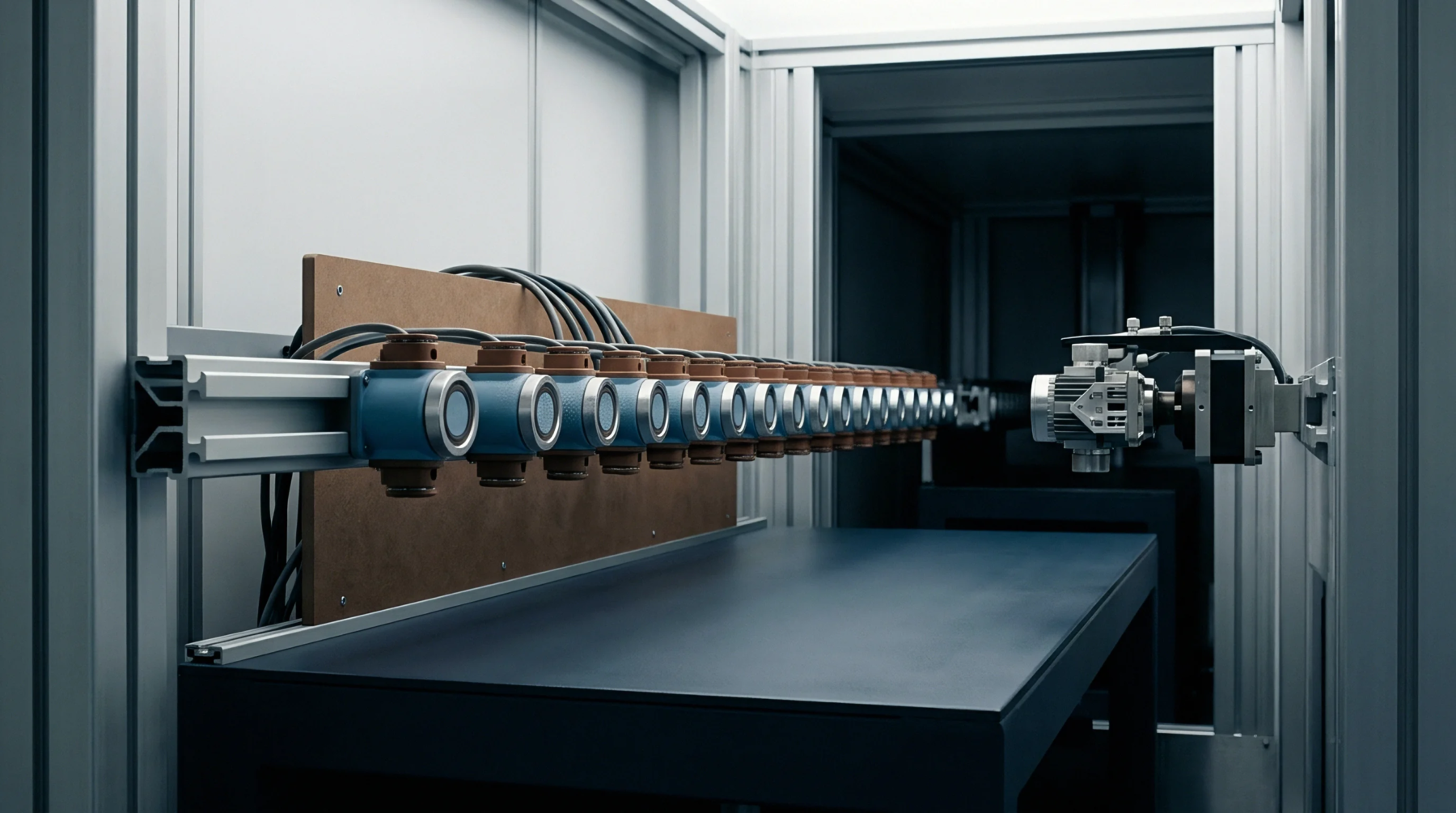
Qualification protocol JESD22-B108 defines environmental testing conditions for mechanical stability. Verification of die attach creep involves measuring zero-load sensor output before and after thermal bake cycles. Acceptance limits restrict total baseline shift to a fraction of full-scale span.