
Viscoelastic Rheology in Polymeric Sensor Packaging
Polymeric sensor packaging viscoelasticity causes long-term zero-point calibration drift, demanding thermomechanical screening and stress relaxation modeling.
Polymeric sensor packaging viscoelasticity causes long-term zero-point calibration drift, demanding thermomechanical screening and stress relaxation modeling.
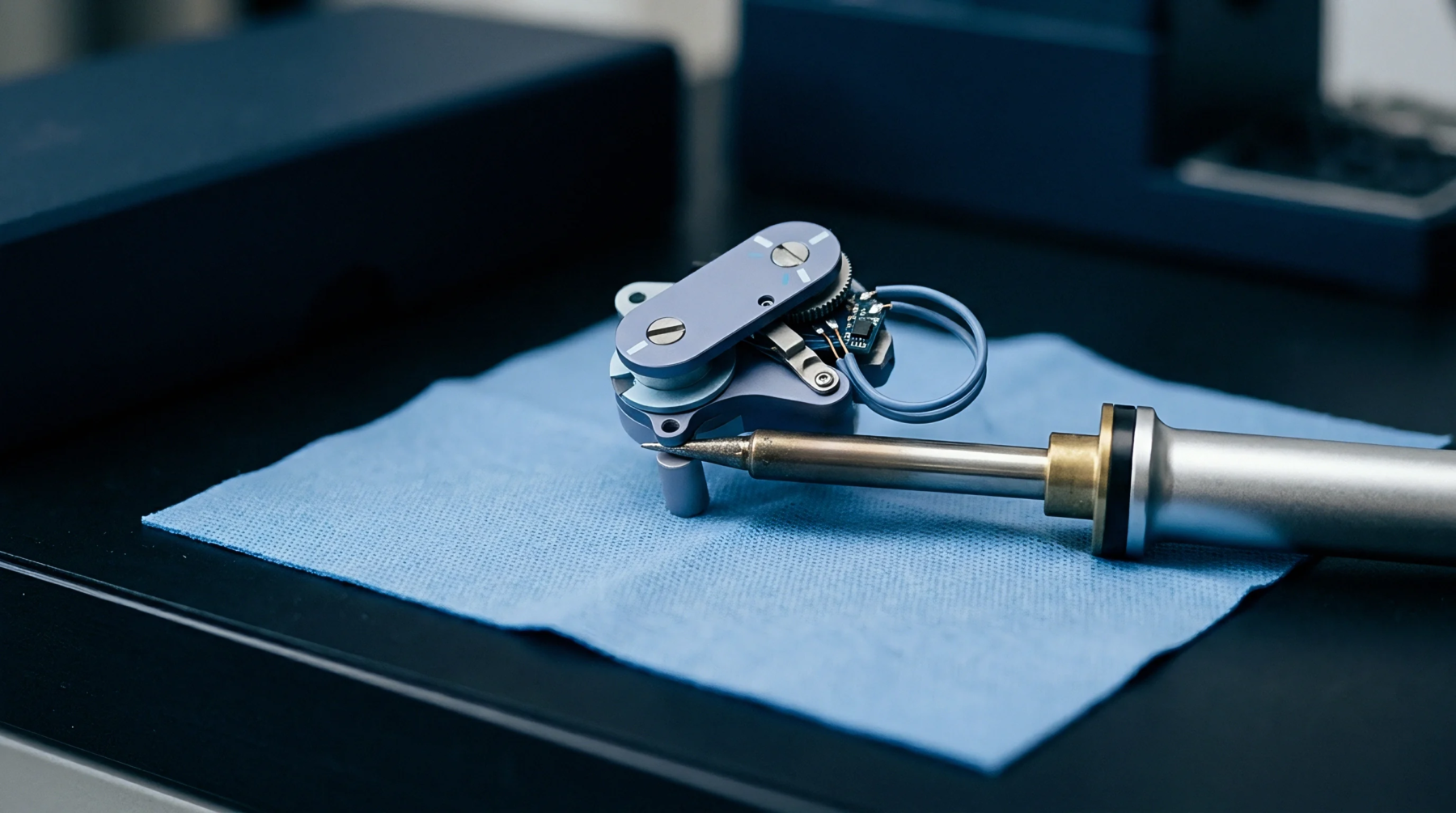
Decoupling non-Fickian moisture swelling from viscoelastic relaxation requires differential reference dies and state-observer firmware to hold zero-point stability.

Finite element modeling of underfill creep uses Prony viscoelasticity and Anand viscoplasticity to predict and compensate long-term silicon sensor drift.

Quantifying constitutive parameter uncertainty in viscoelastic die attach models prevents false thermal cycling pass predictions in high-reliability packaging.

Extrapolating single isotherm Prony parameters beyond experimental test windows introduces exponential error growth governed by unconstrained relaxation modes.

Polyimide stress relaxation under automotive thermal cycling follows non-linear shift factors, driving zero-offset calibration drift in precision sensors.

Dynamic temperature shifts in cryogenic structural epoxy master curves demand non-isothermal rate correction factors to resolve physical aging relaxation delays.

Prony series modeling converts polymer relaxation data into actionable sensor zero-drift predictions, isolating packaging strain from true physical signals.
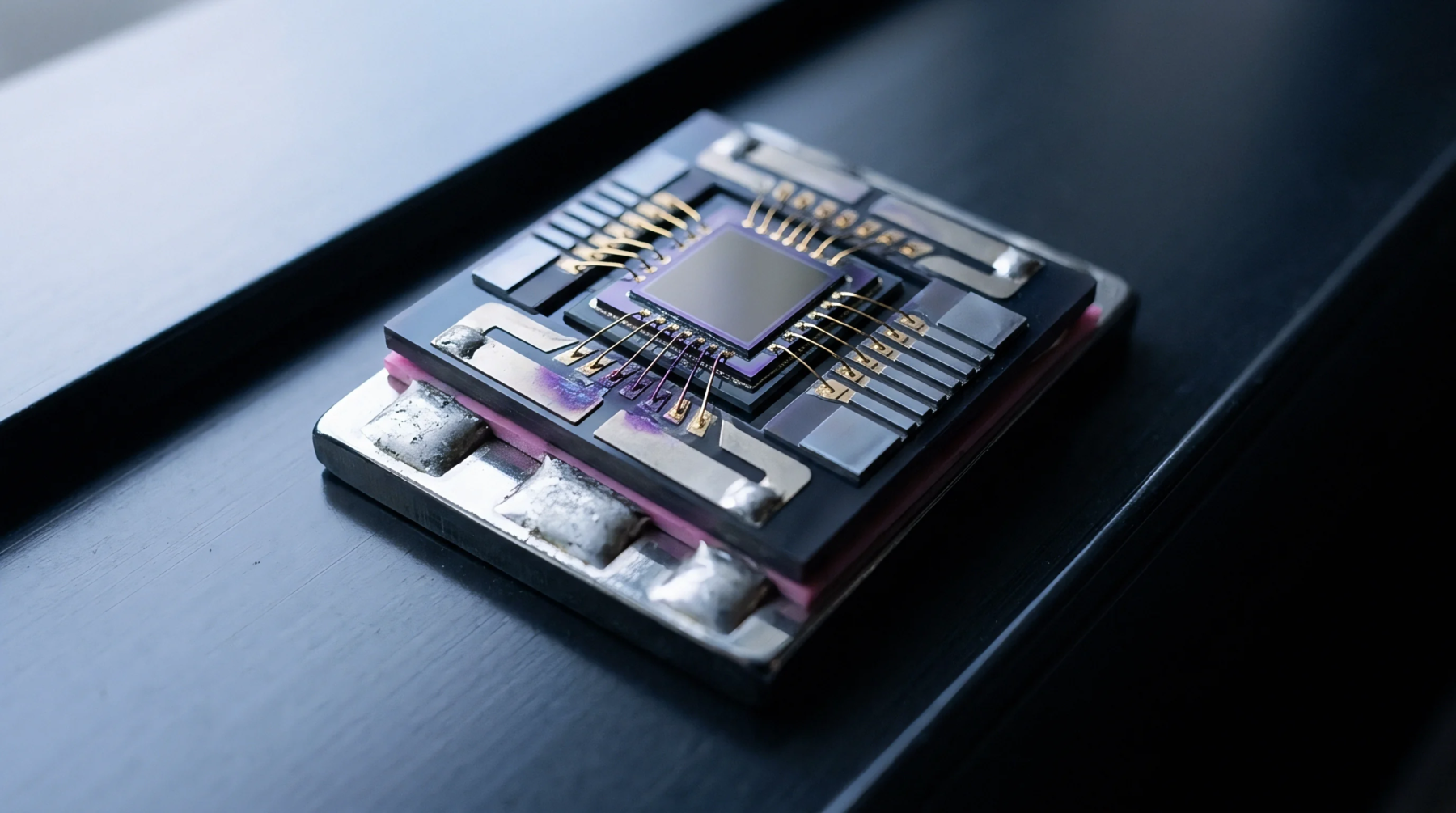
Substrate viscoelastic relaxation and thermal expansion mismatch induce time-dependent, hysteretic offset drift in MEMS requiring mechanical anchor isolation.

Dynamic mechanical relaxation testing isolates glass transition, creep compliance, and thermal stability in high temperature die attach polyimides.
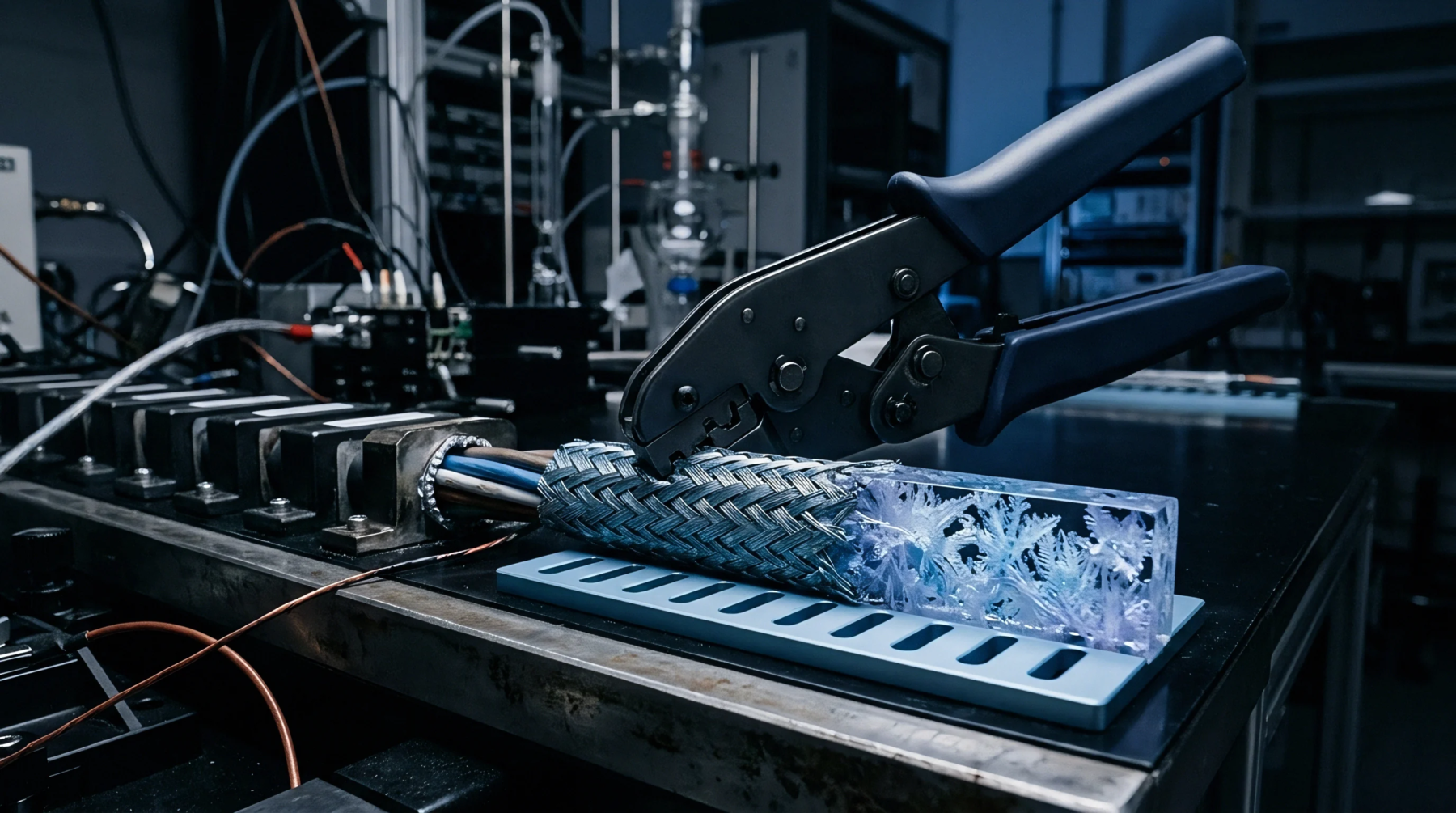
Constitutive modeling of viscoelastic aging in thermoset die attach layers enables precise finite element prediction of lifetime stress and sensor drift.
Expertise is a utility, not a secret. sentiention™ publishes its working knowledge as open reference: intelligence layer covering the materials it sources, the markets it enters, and the reference that serves both.