Viscoelastic Rheology in Polymeric Sensor Packaging
Polymeric sensor packaging viscoelasticity causes long-term zero-point calibration drift, demanding thermomechanical screening and stress relaxation modeling.
Polymeric sensor packaging viscoelasticity causes long-term zero-point calibration drift, demanding thermomechanical screening and stress relaxation modeling.
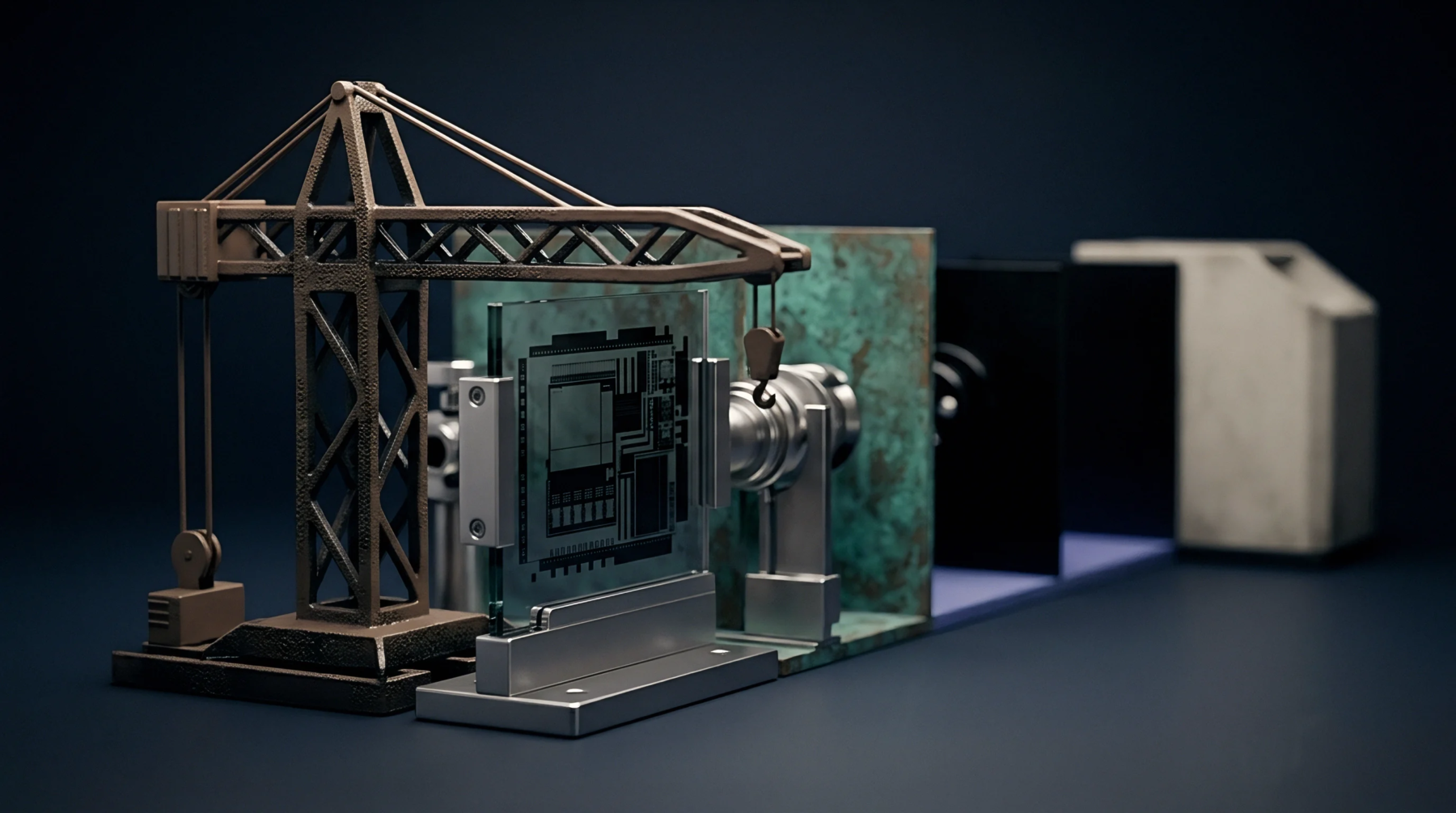
Polymer interface degradation stems from moisture hydrolysis and thermomechanical stress, requiring targeted acoustic screening and activation energy mapping.

Characterizing substrate interface viscoelastic shear relaxation prevents dynamic thermal offset drift and avoids expensive late stage packaging redraws.
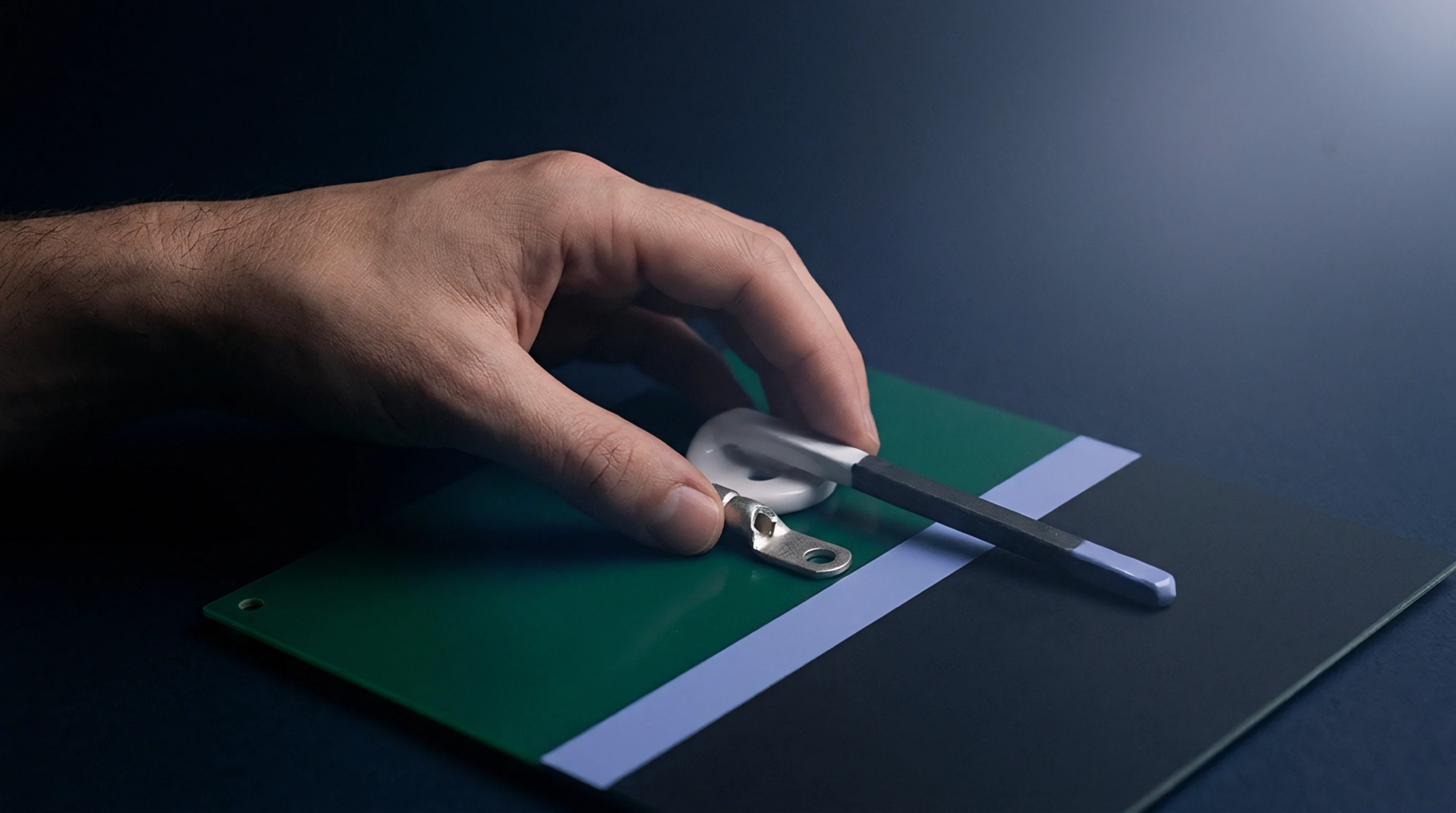
Finite element modeling of underfill creep uses Prony viscoelasticity and Anand viscoplasticity to predict and compensate long-term silicon sensor drift.
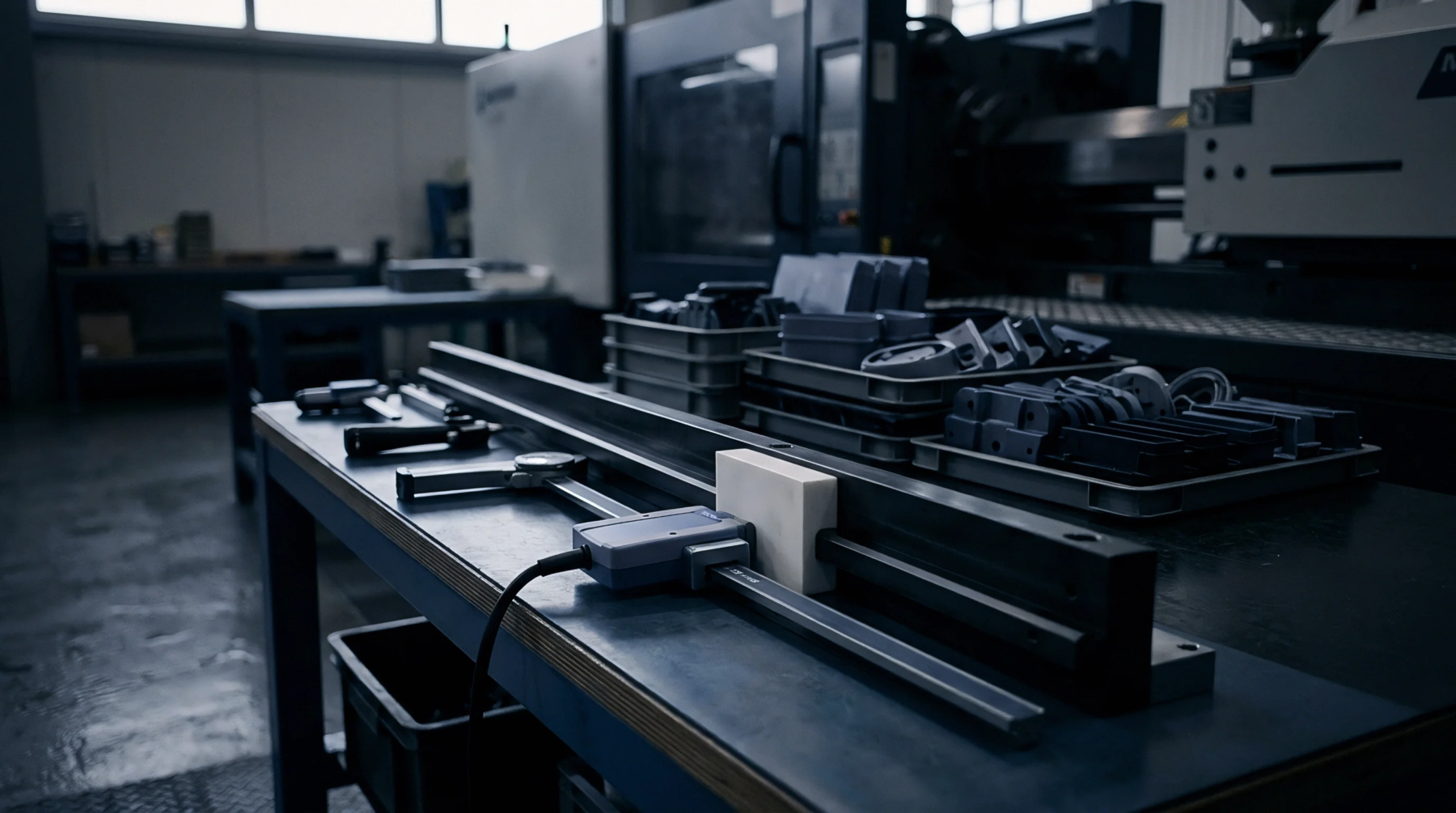
Polymer viscoelastic stress relaxation in molded MEMS packages causes long-term zero-point offset drift that requires cavity isolation or baked burn-in.

Polymeric underfill modulus collapse near glass transition increases board strain attenuation while driving out-of-plane bump fatigue and sensor drift.
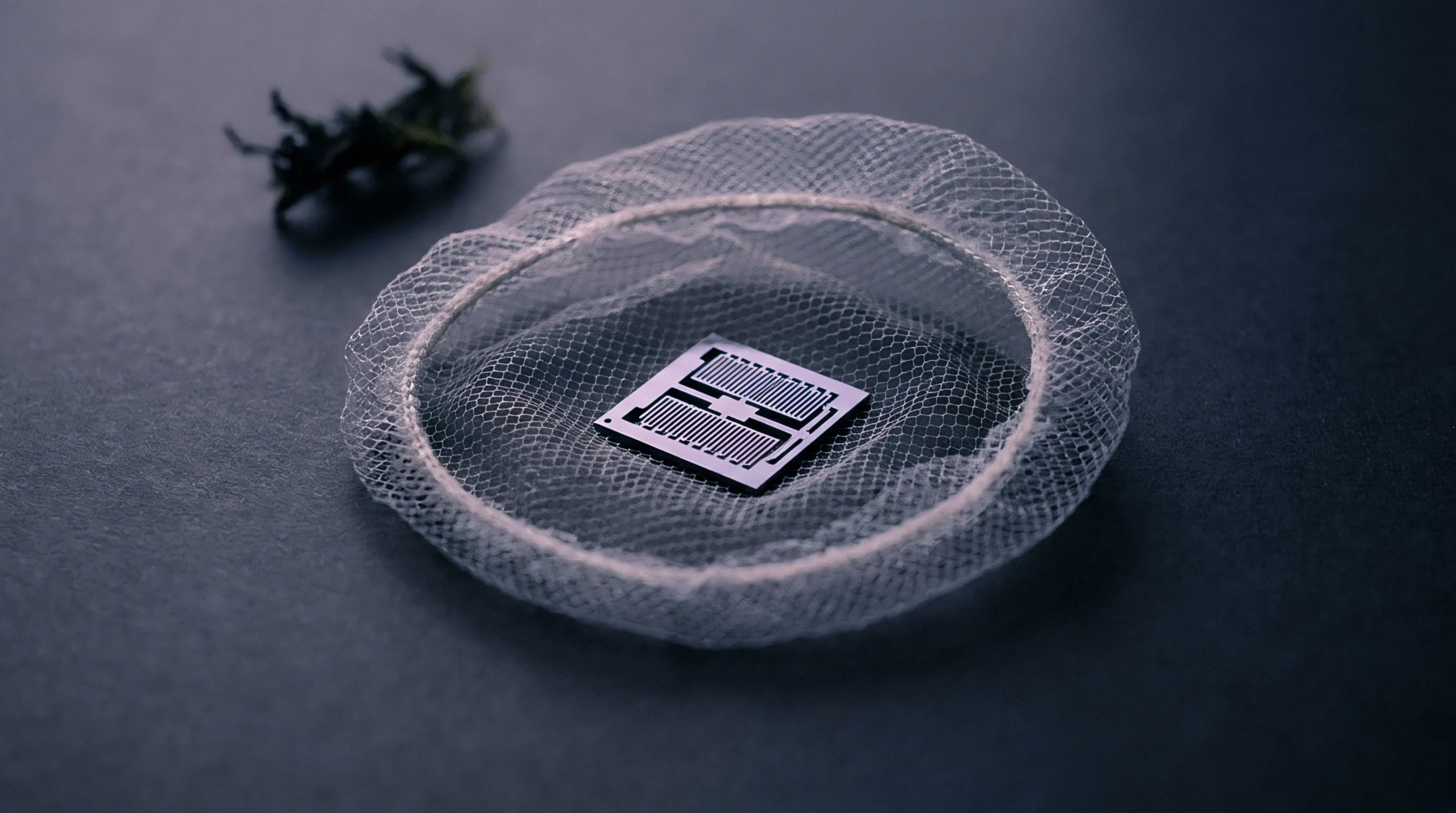
Extracting physical aging shift factors in thermosets requires momentary loading below Tg, sub-tenth Kelvin stability, and frame compliance corrections.
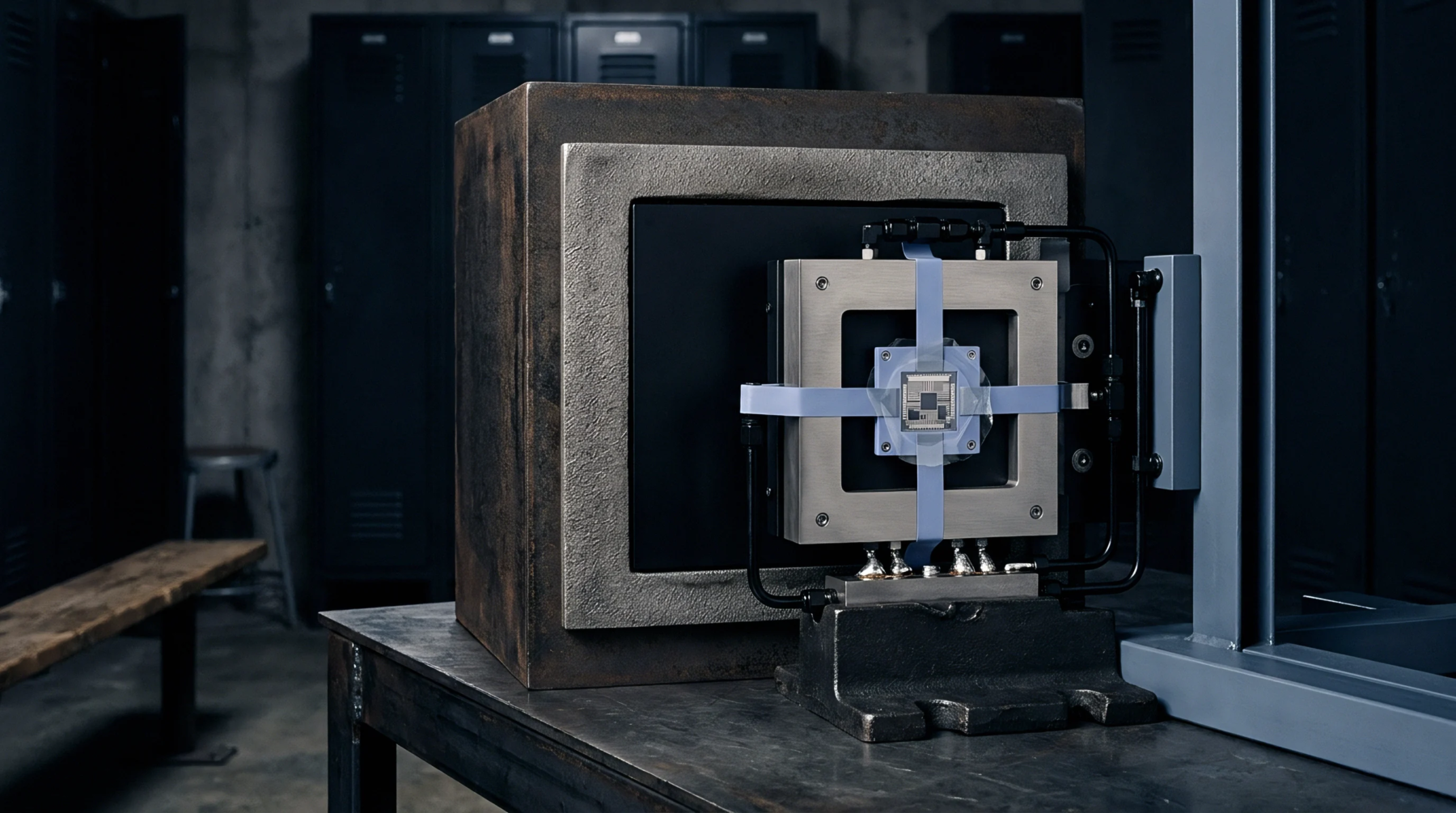
Extracting non-negative Prony parameters from dynamic sweeps requires Tikhonov-regularized NNLS to prevent numerical instability in time-domain FEA solvers.

Dynamic temperature shifts in cryogenic structural epoxy master curves demand non-isothermal rate correction factors to resolve physical aging relaxation delays.

Higher crosslink density suppresses polymer die attach creep rates by restricting free volume and extending rubbery plateau modulus under continuous thermal load.
Viscoelastic relaxation in polymer die attach causes time-dependent strain transfer to MEMS proof masses, driving long-term zero-g offset drift.
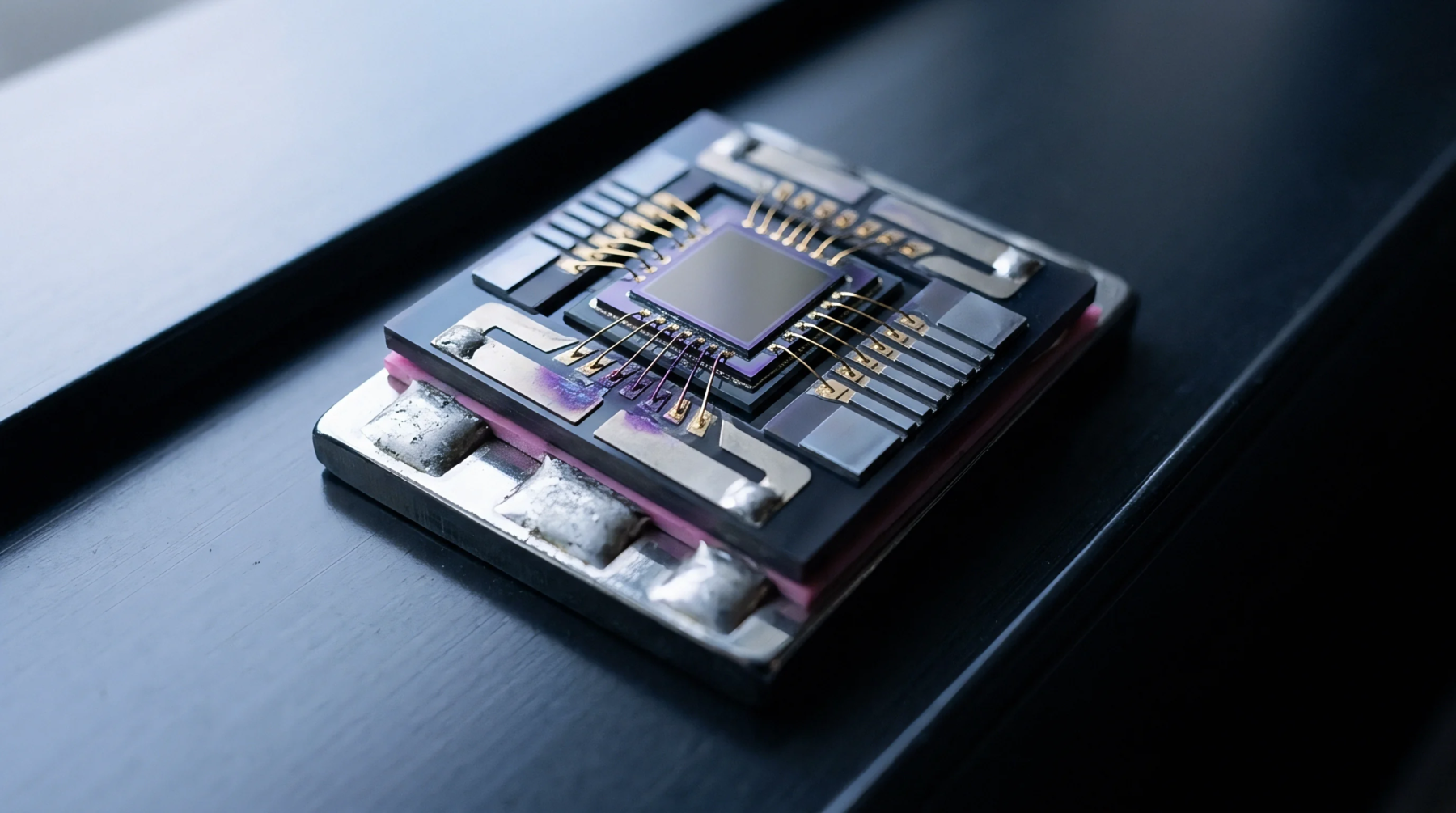
Substrate viscoelastic relaxation and thermal expansion mismatch induce time-dependent, hysteretic offset drift in MEMS requiring mechanical anchor isolation.
Packaging stress relaxation drives post-thermal drift, requiring pre-conditioning bakes and verified isothermal recovery windows to ensure long-term calibration stability.
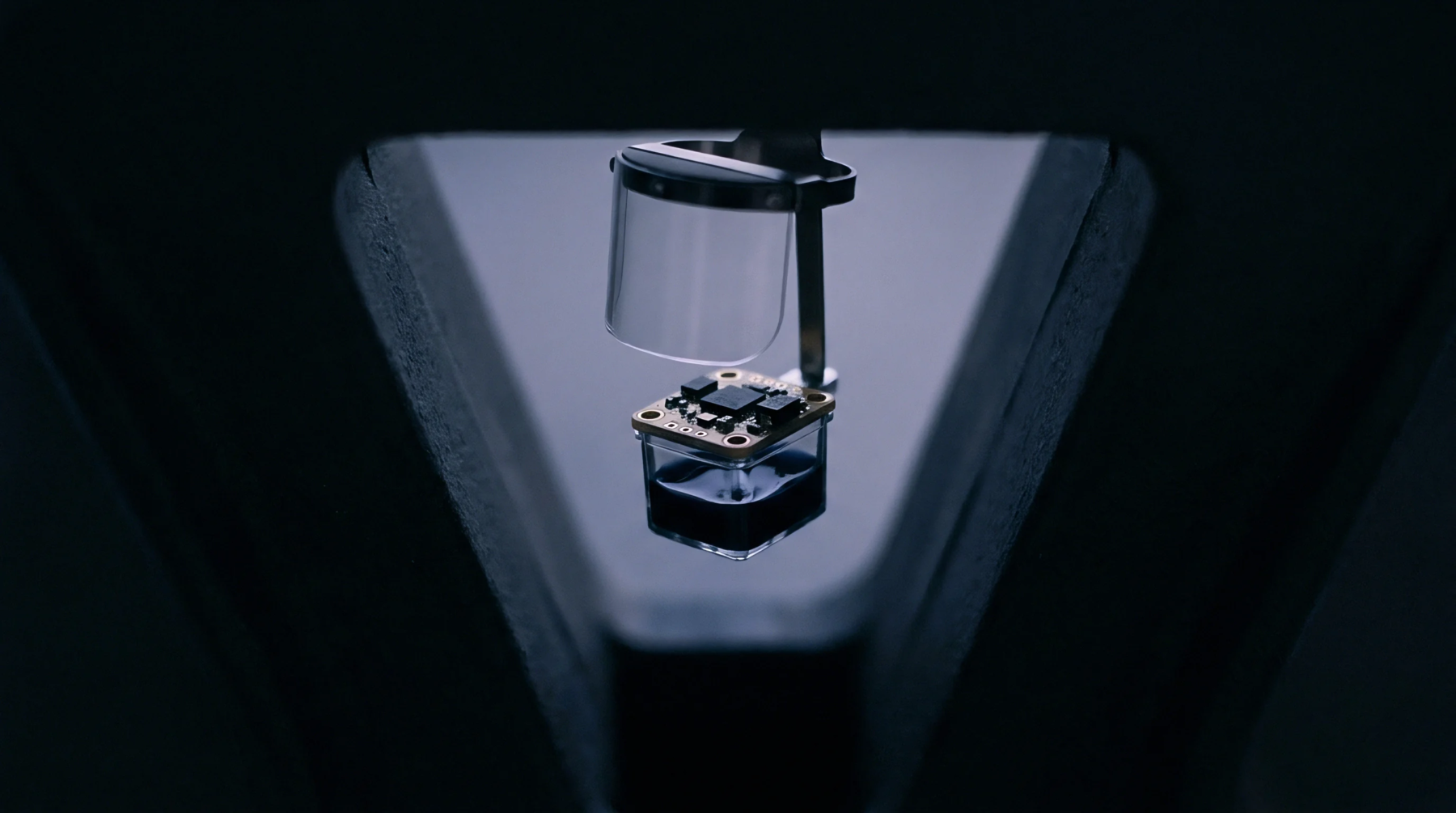
Initial glass transition advancement dictates die attach modulus evolution and residual stress, requiring calibrated thermal analysis to prevent assembly yield loss.

Dynamic mechanical relaxation testing isolates glass transition, creep compliance, and thermal stability in high temperature die attach polyimides.
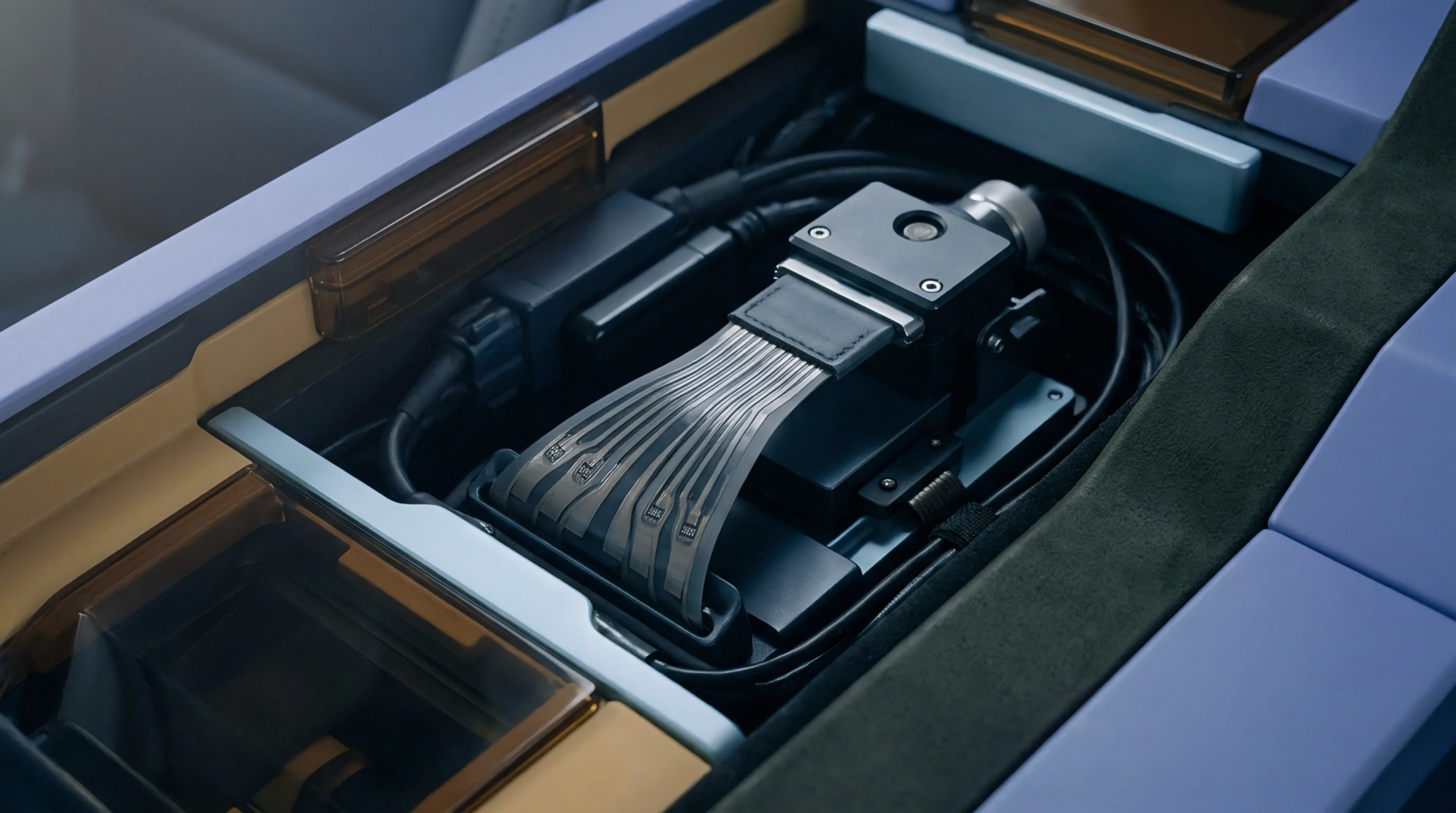
Board flexure transfers surface strain into sensor packages via shear lag mechanics, where higher standoff height and low-modulus interconnects attenuate die stress and offset drift.
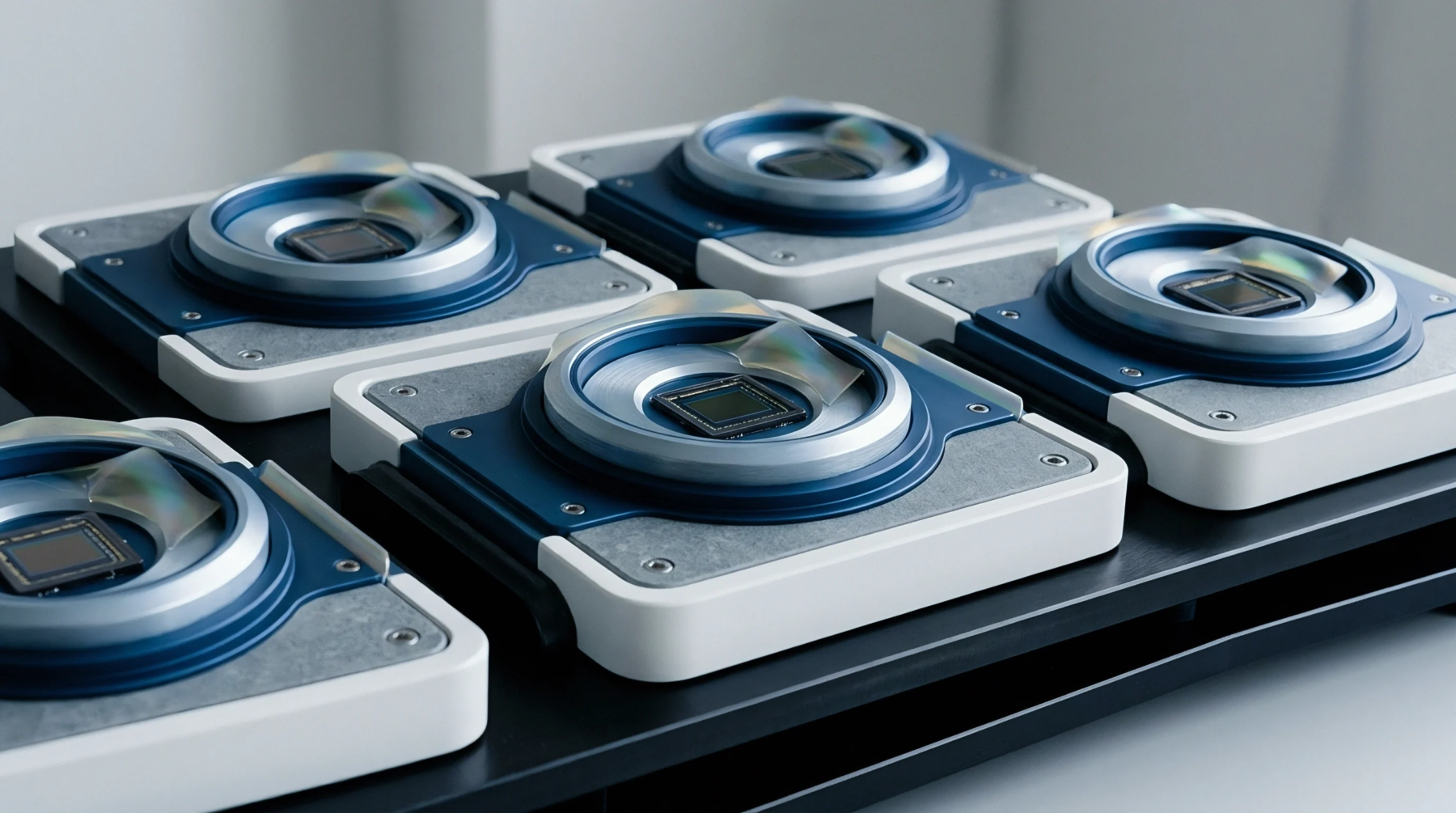
Polymeric die attach viscoelastic creep drives time-dependent sensor offset drift; matching glass transition temperature and controlling bondline shear lag minimizes zero wander.
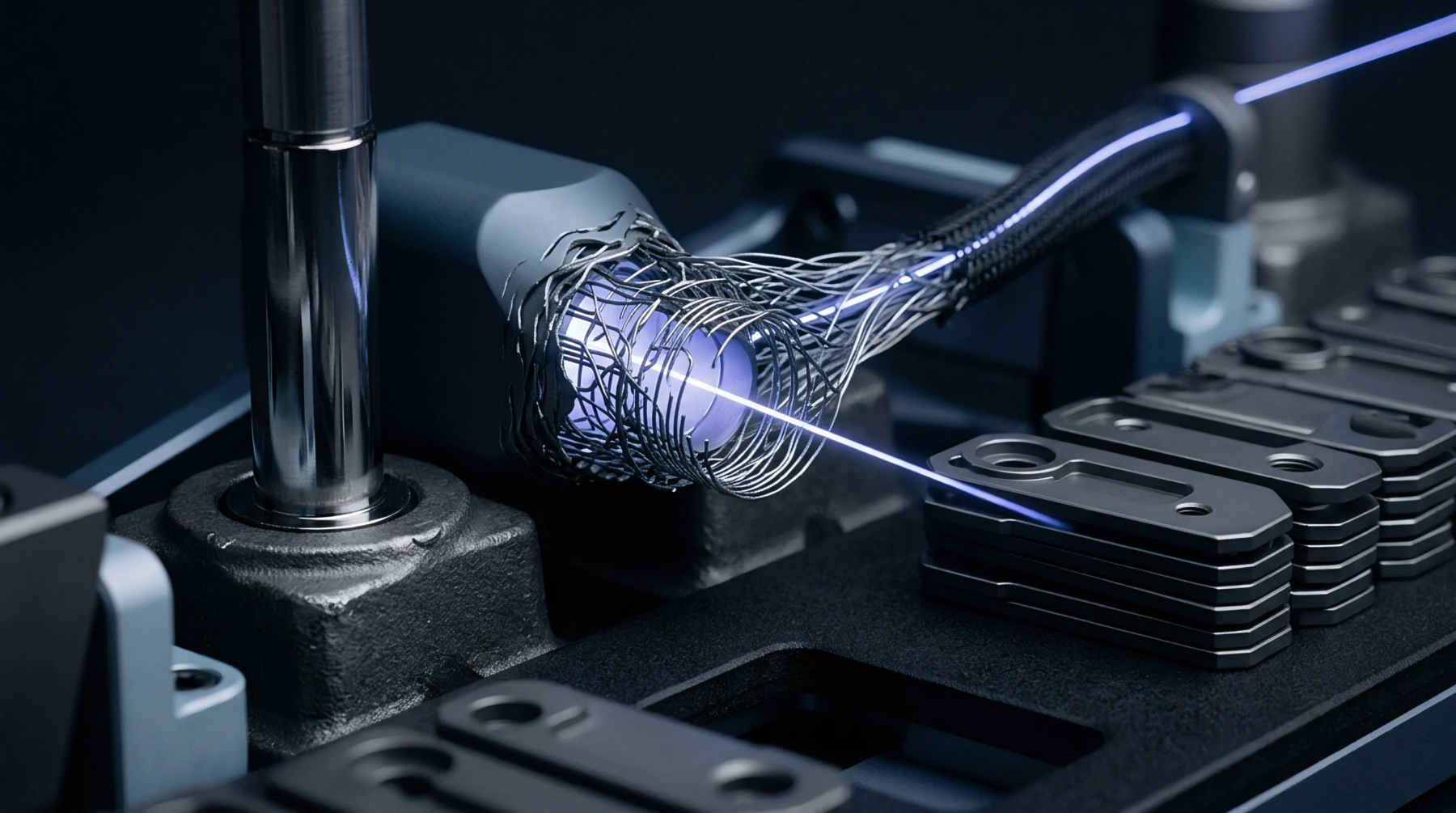
Thermal soak accelerates die attach viscoelastic micro-strain relaxation, reducing shear stress while driving physical aging, interface delamination, and Rth growth.
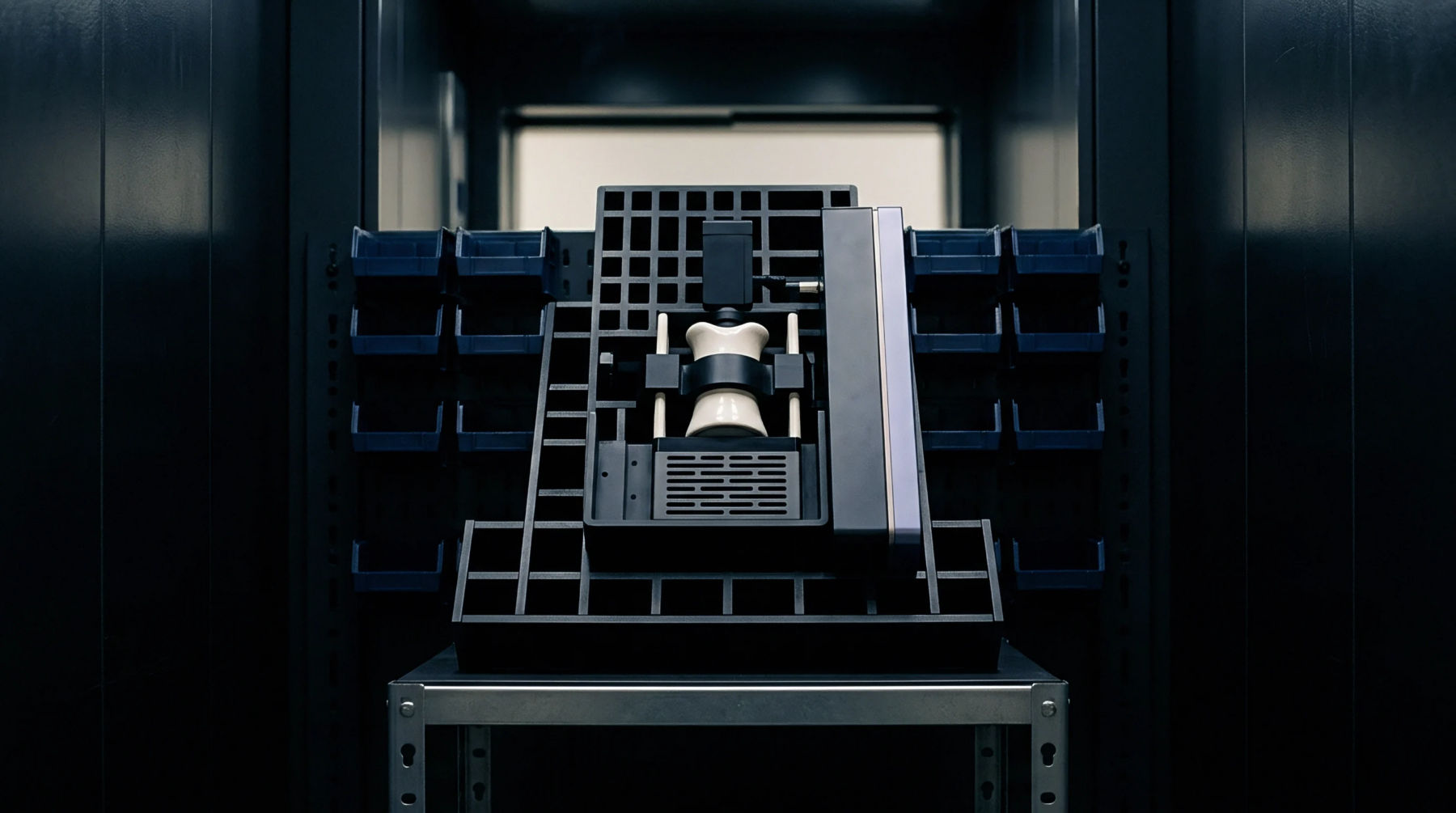
Polymer die attach selection governs MEMS IMU bias drift by balancing storage modulus, glass transition temperature, and long-term viscoelastic stress relaxation.

Baseline Prony series parameters extracted from room temperature dynamic mechanical analysis require non-negative least squares fitting and compliance-corrected frequency sweeps bounded between 0.01 Hz and 100 Hz.
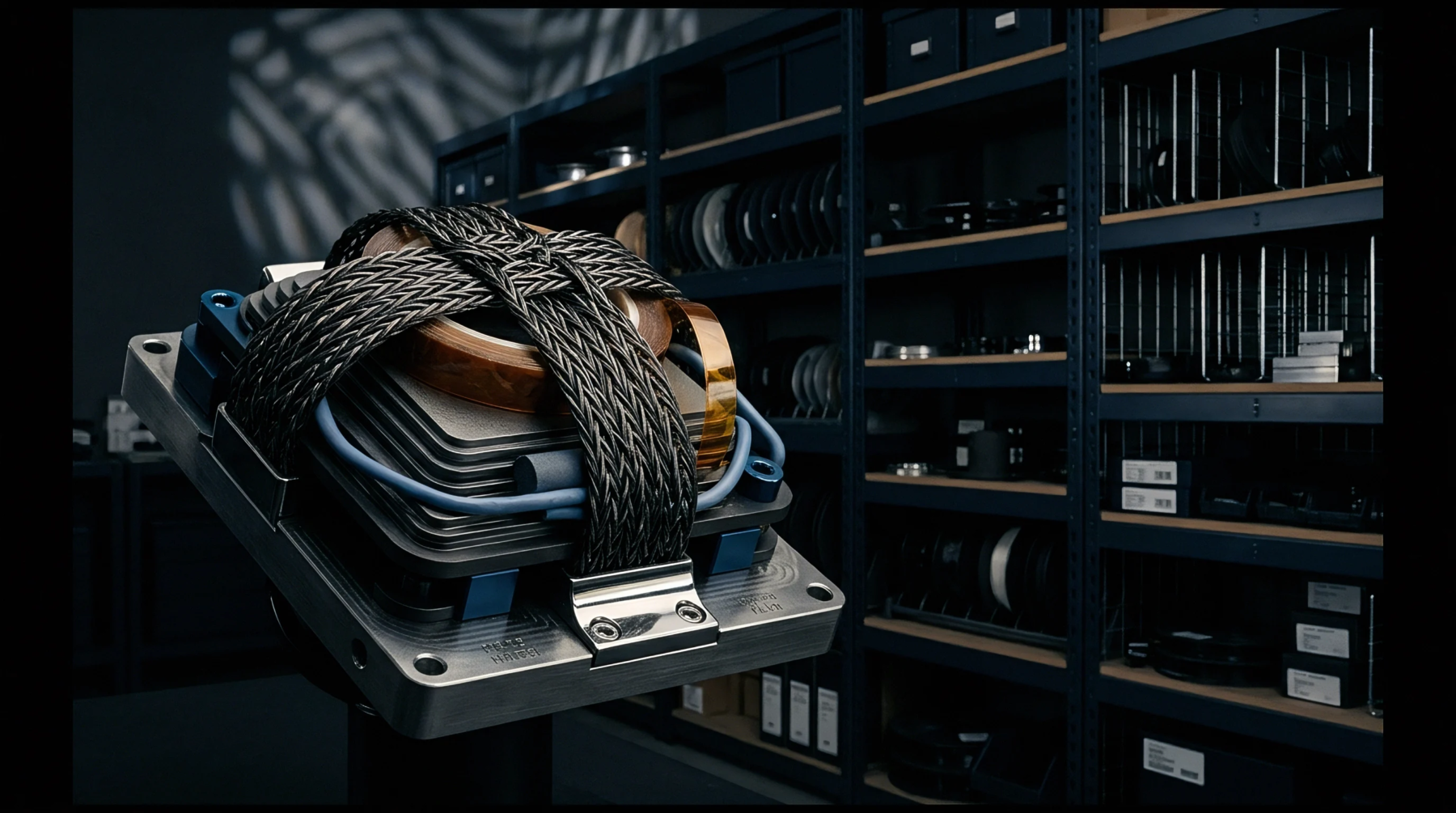
Polyimide die attach master curves bound stress relaxation under automotive minus forty to plus one hundred seventy-five degree thermal shock cycles.
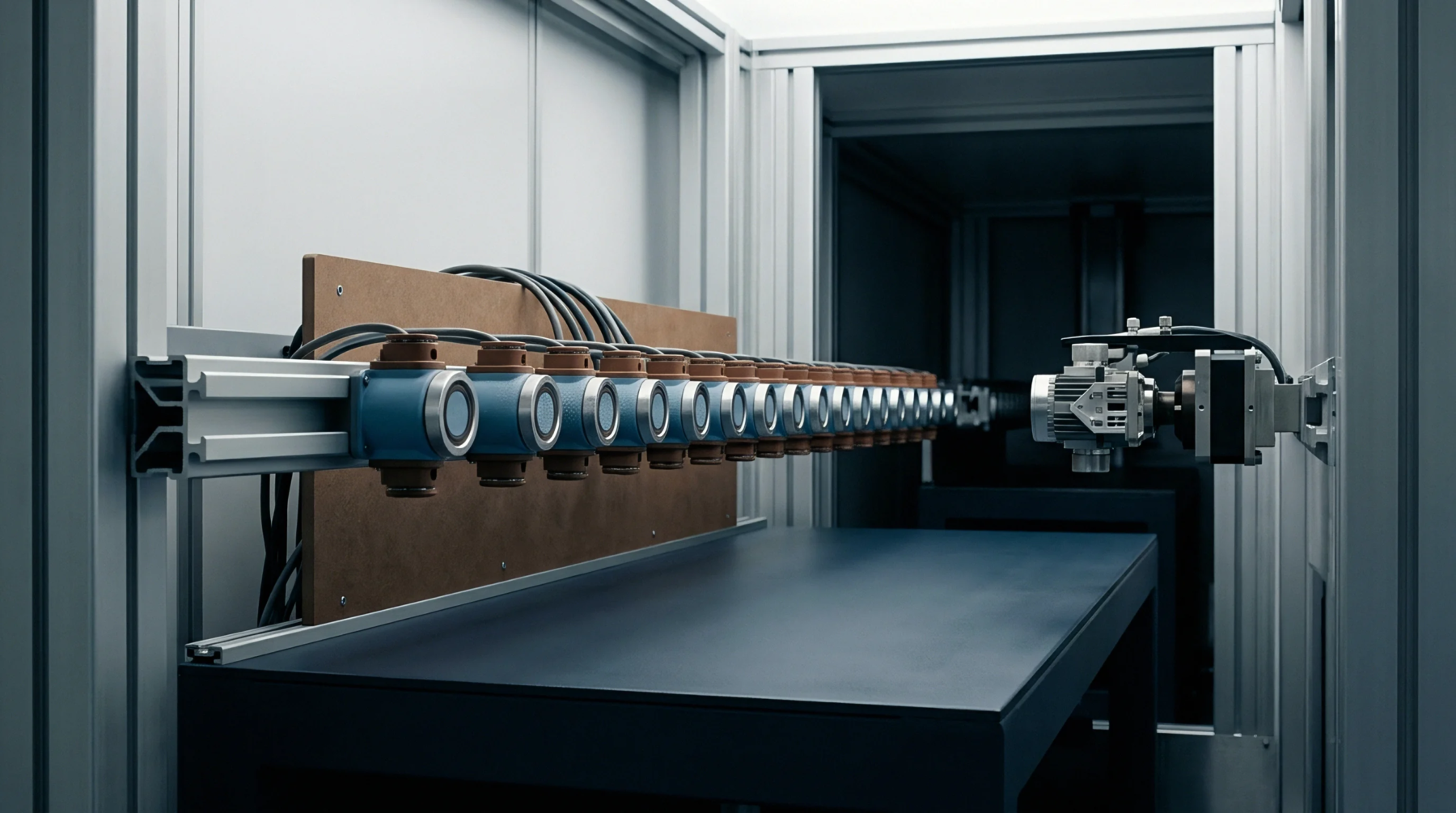
High-temperature package creep redistributes interfacial strain to drive long-term sensor drift, requiring viscoplastic modeling and burn-in stabilization.
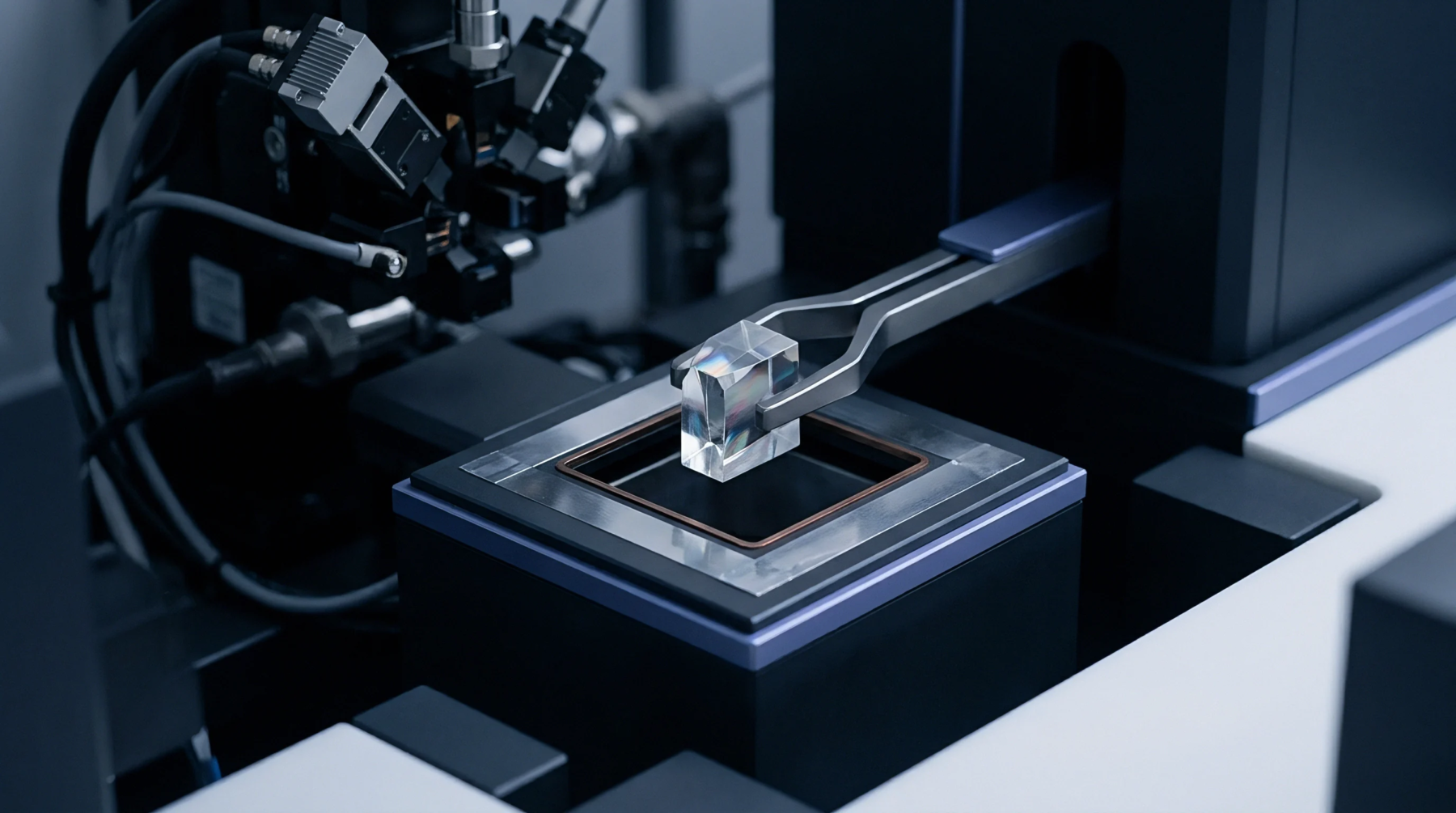
Generalized Maxwell models under cryogenic thermal ramps require Arrhenius shift functions and thermal lag compensation to accurately predict stress relaxation bounds.
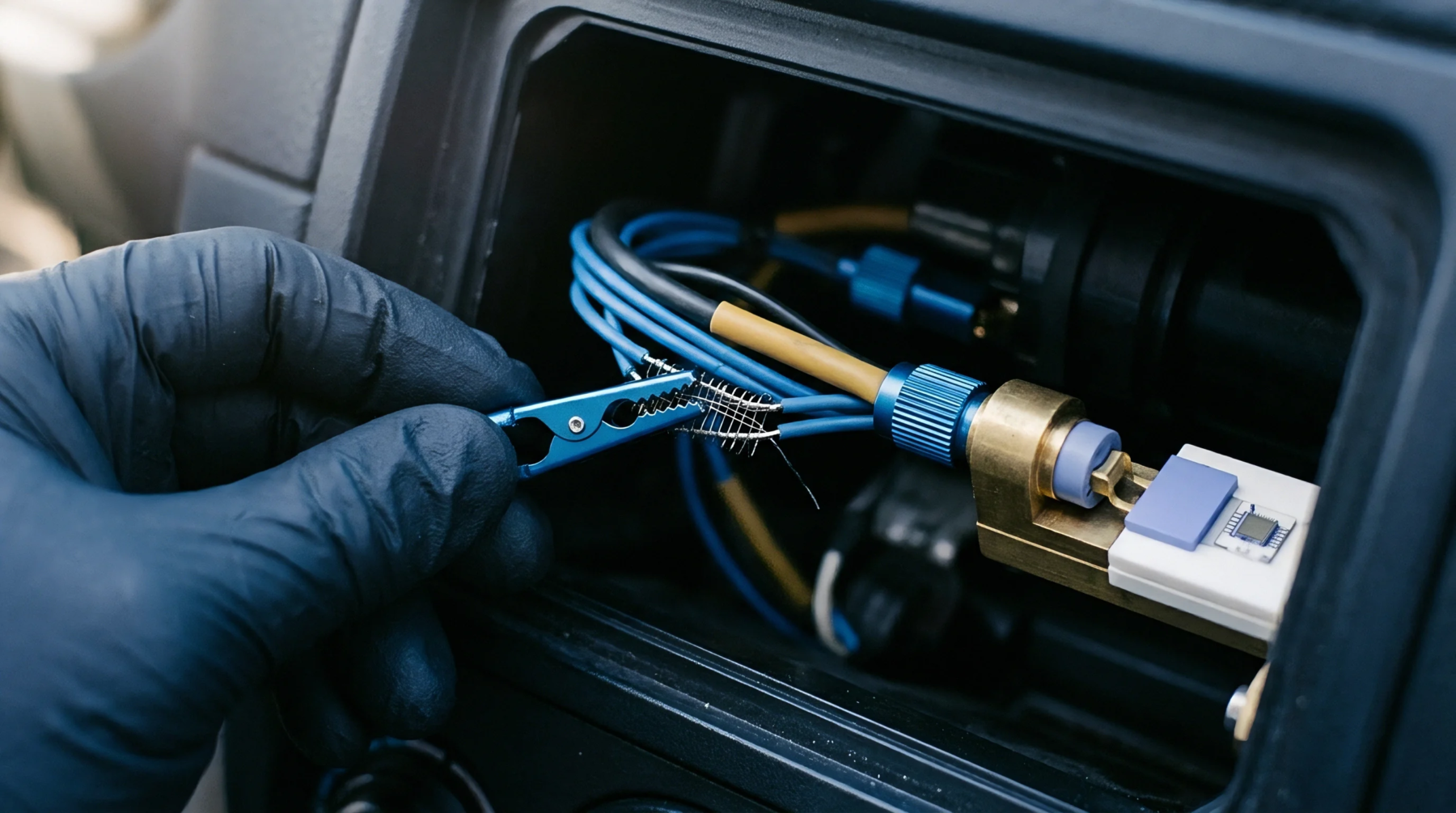
Selecting low-modulus die attach adhesives with glass transition temperatures outside operating limits eliminates non-linear MEMS zero-g offset drift.
Viscoelastic creep in die attach epoxies drives zero offset hysteresis; low-modulus adhesives minimize stress transfer to preserve long-term transducer balance.
Expertise is a utility, not a secret. sentiention™ publishes its working knowledge as open reference: intelligence layer covering the materials it sources, the markets it enters, and the reference that serves both.