
Modeling Moisture Diffusion Induced Stress Relaxation in Silicone Encapsulated Pressure Transducers
Moisture ingress into silicone transducer gels induces time-dependent strain and viscoelastic relaxation that shift piezoresistive offset accuracy.
Moisture ingress into silicone transducer gels induces time-dependent strain and viscoelastic relaxation that shift piezoresistive offset accuracy.

Substrate stress relaxation drives long-term zero drift in encapsulated MEMS pressure sensors through viscoelastic shear in packaging adhesives over time.
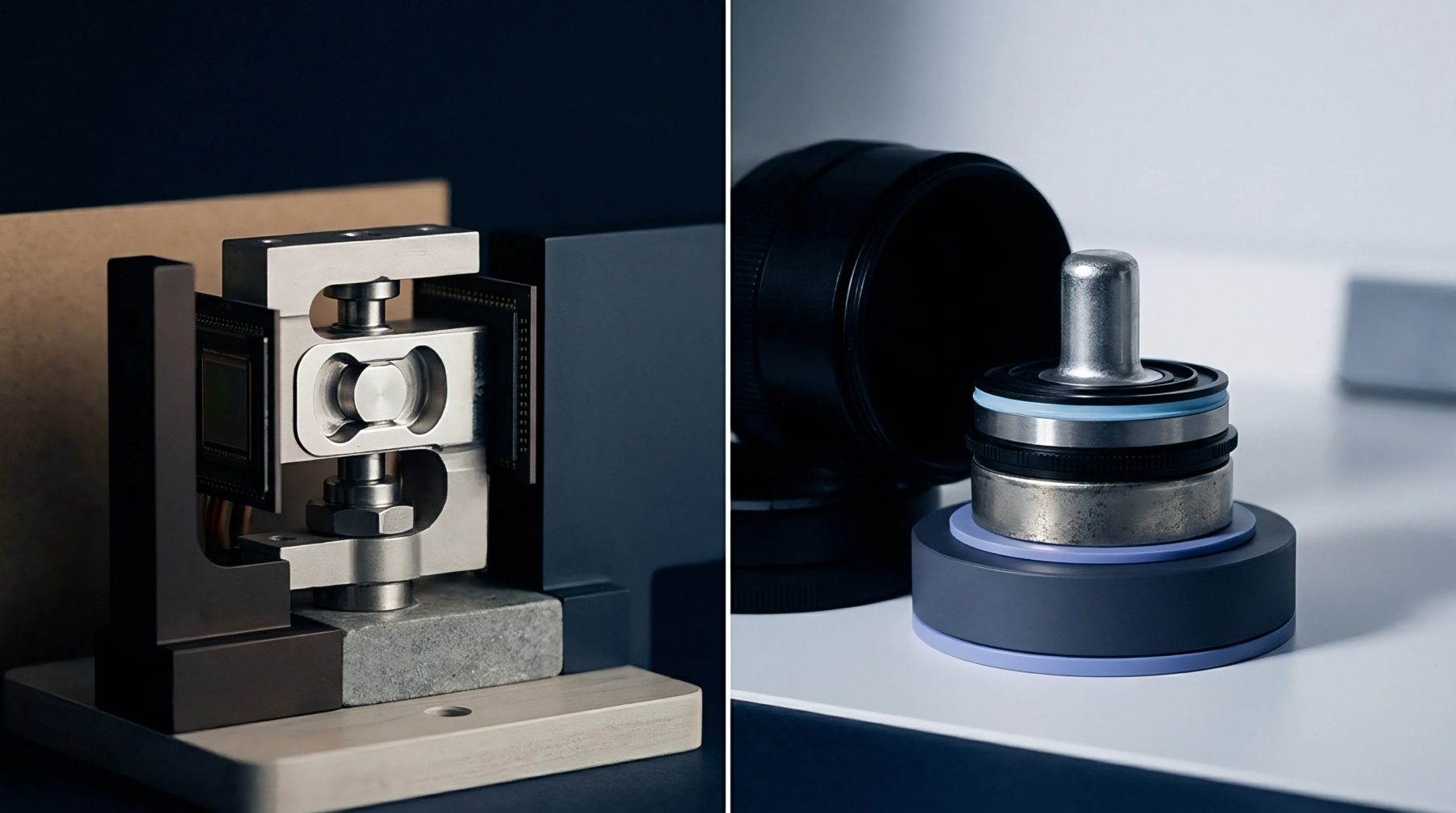
A structured transducer intake bench verifies zero balance, insulation resistance, and multi-point span accuracy against calibrated reference standards.

Wafer trim establishes initial sensor accuracy classes, but package stress and thermal drift determine field performance and calibration costs.
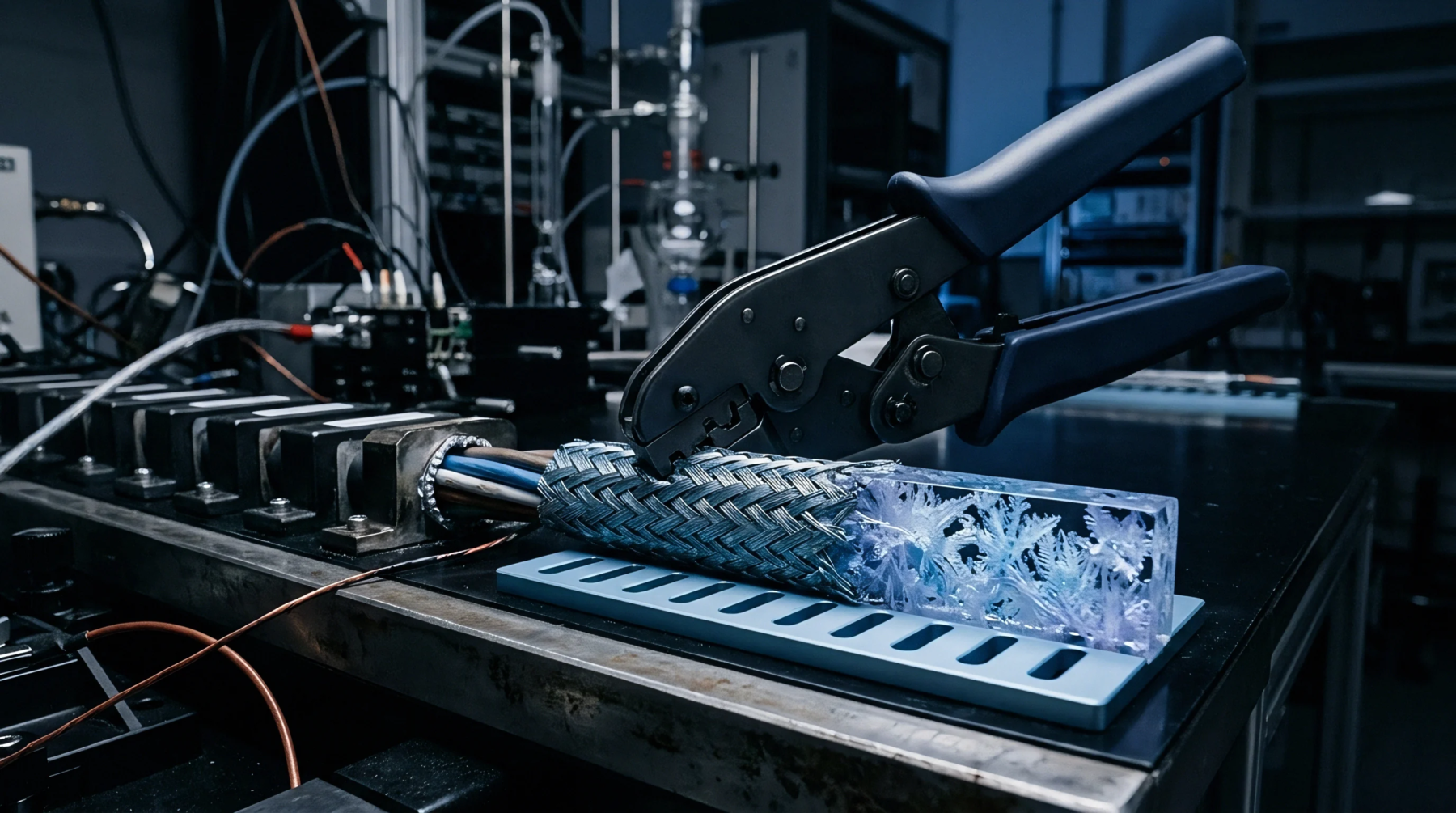
Compositionally graded compliant interlayers and post-sputter thermal anneals eliminate residual thermal strain, preventing zero-drift in sputtered thin-film sensors.

Dynamic thermal cycling induces non-linear piezoresistive hysteresis that demands dynamic gradient tracking and second-order surface compensation models.

Packaging thermal expansion mismatch generates die stress that converts to electrical offset drift via piezoresistive coupling and polymer viscoelastic creep.

Prony series modeling converts polymer relaxation data into actionable sensor zero-drift predictions, isolating packaging strain from true physical signals.

Anodically bonded Borofloat glass pedestals isolate silicon piezoresistive diaphragms from packaging strain, reducing zero thermal shift below 0.02 percent span.

Vacuum cavity outgassing drives long term zero offset instability in MEMS absolute pressure sensors by increasing internal cavity pressure over time.
Moisture ingress causes polymer swelling that transfers mechanical strain to piezoresistive diaphragms, inducing uncompensated zero drift in non-hermetic sensors.
Non-Fickian water kinetics in encapsulants create transient swelling stress fronts, driving unmodeled zero-drift in MEMS pressure diaphragms under damp heat.

IPC-JEDEC-9704 line audits deploy triaxial strain rosettes at high-stress component corners to calculate principal strain vectors and enforce process microstrain limits.
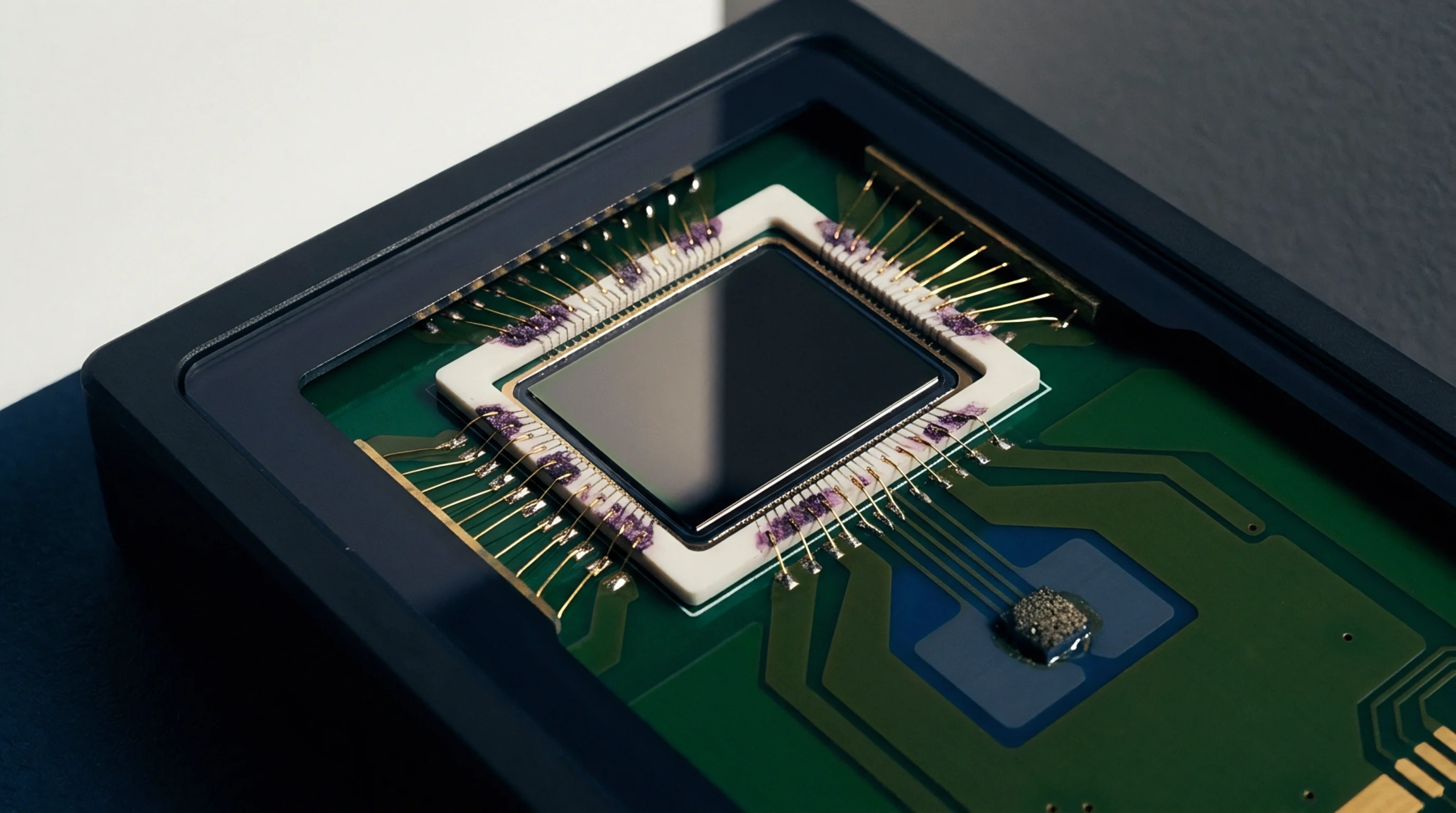
Polymeric potting stress relaxation causes time-dependent zero drift in precision transducers, requiring thermal seasoning to stabilize output baseline.

Packaging stress decay in silicon sensor dies causes continuous zero-point drift that requires thermal preconditioning bakes to stabilize long-term offset accuracy.
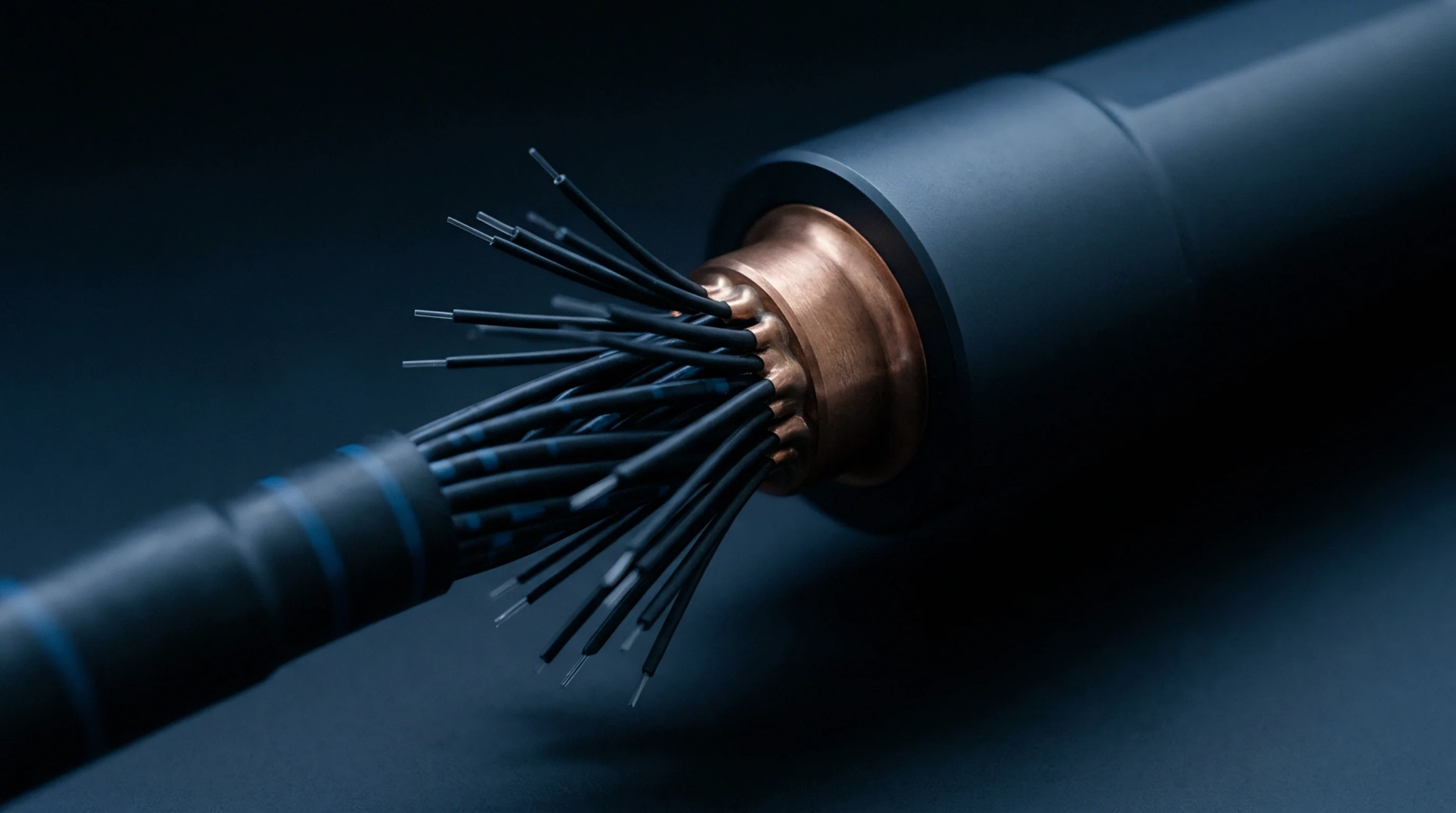
Encapsulated piezoresistive sensor zero drift under cyclic humidity stems from encapsulant swelling strain and viscoelastic creep, requiring Parylene passivation or oil isolation to hold long-term accuracy.
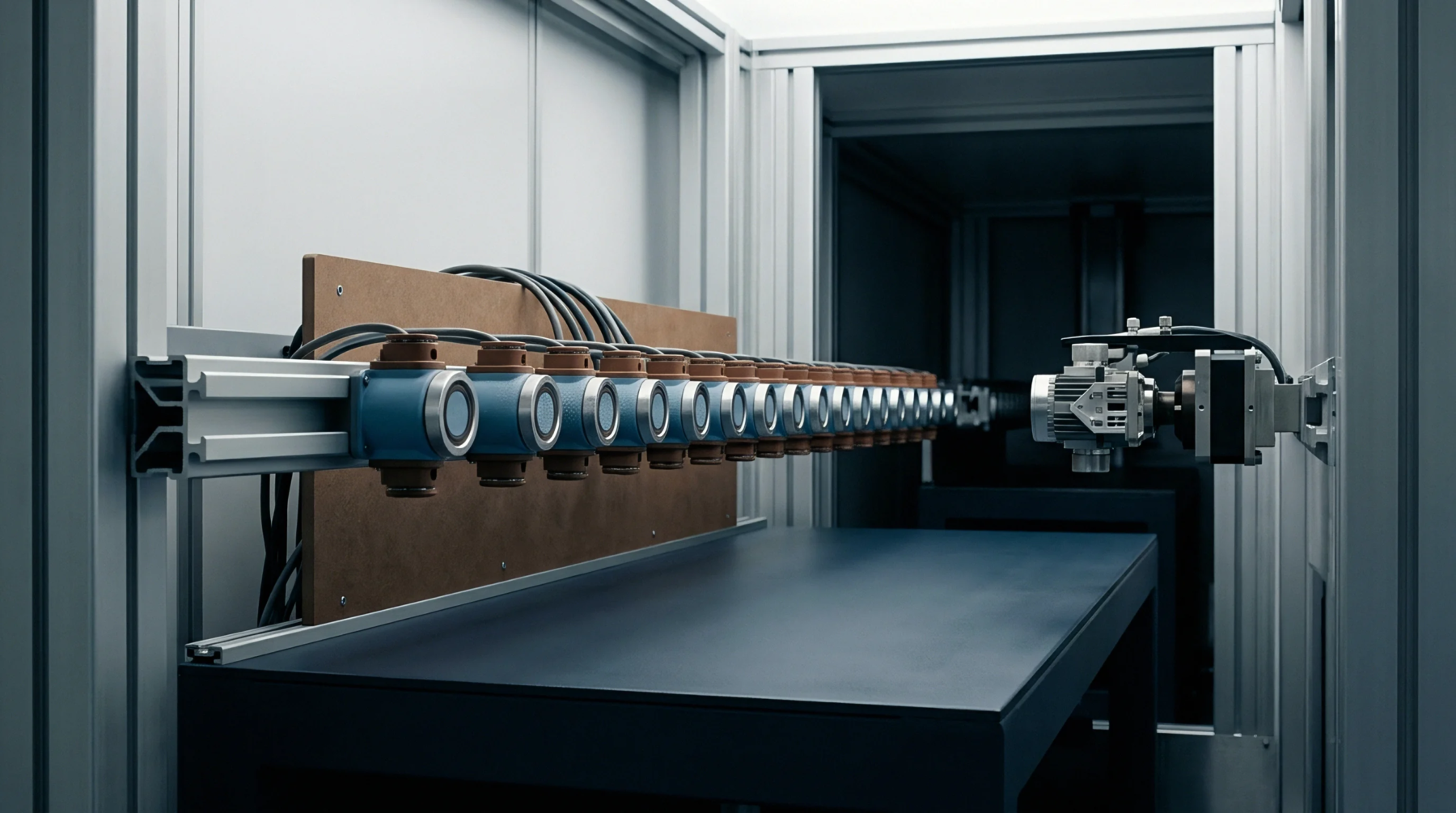
High-temperature package creep redistributes interfacial strain to drive long-term sensor drift, requiring viscoplastic modeling and burn-in stabilization.
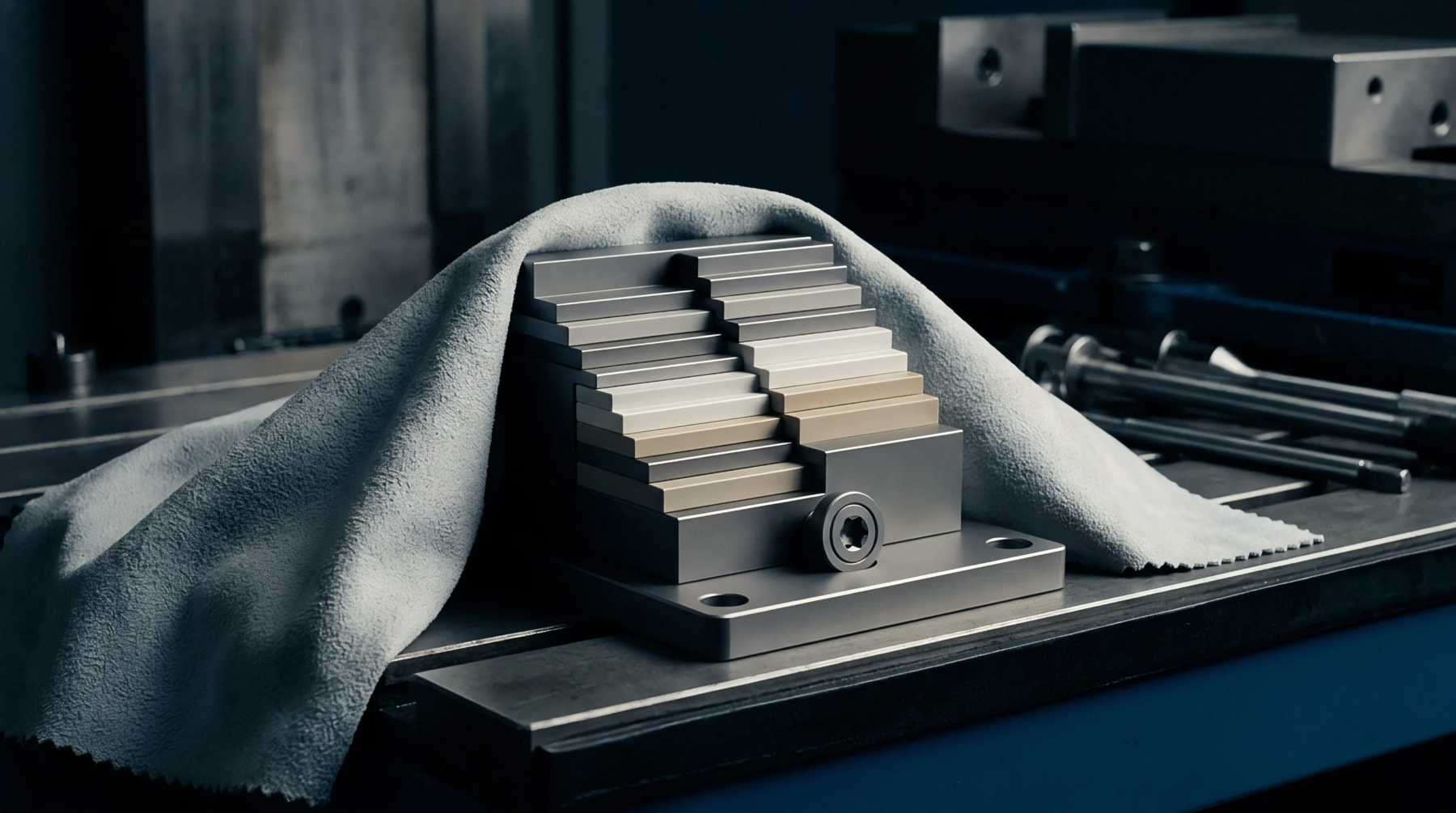
Optimal piezoresistive stability requires heavy surface boron doping above 2e19 cm-3 combined with plasma-activated silane coupling to prevent delamination.
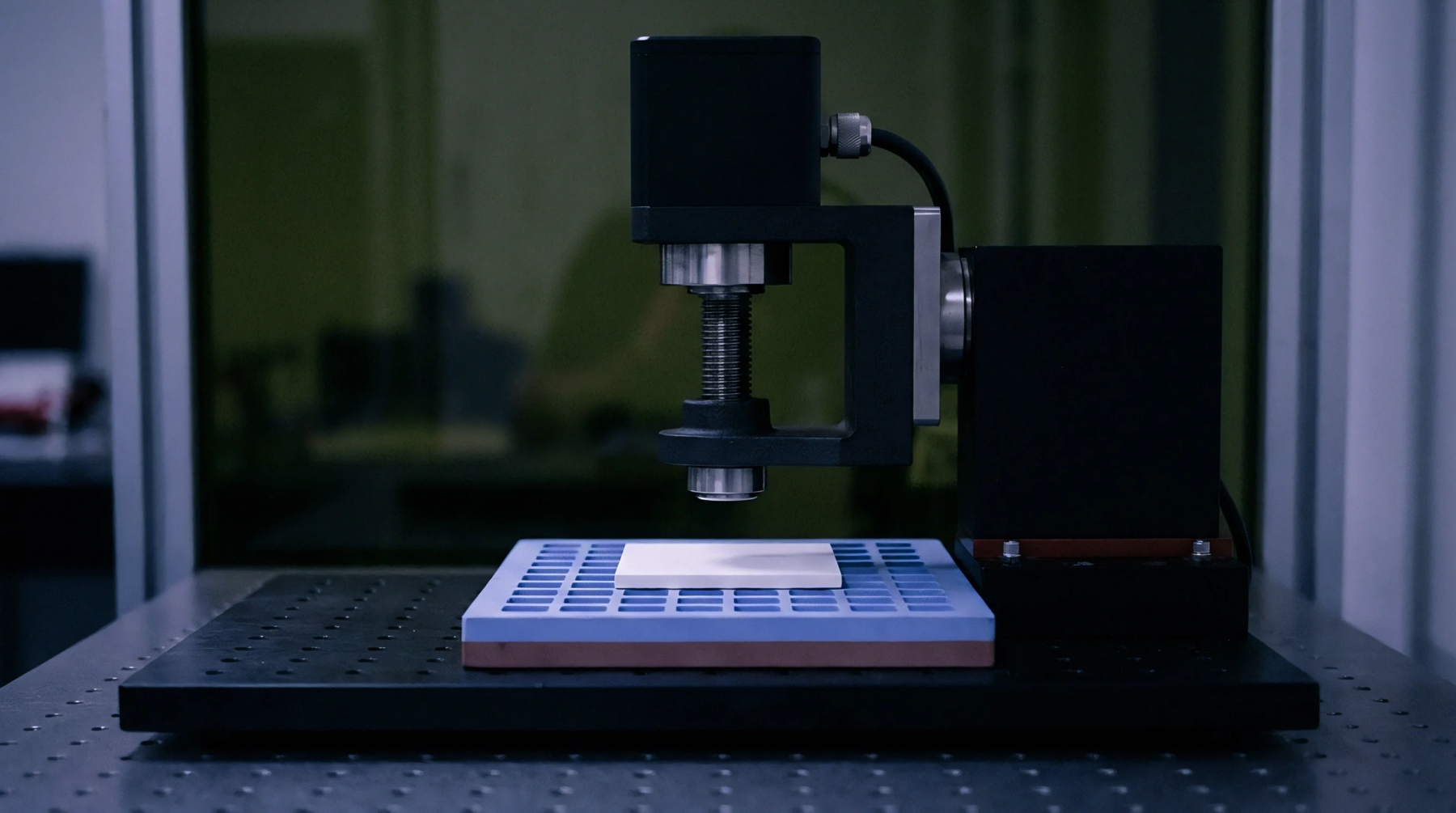
Mechanical stress isolation via matched CTE submounts, compliant gels, and silicon micro-machined trenches eliminates parasitic packaging strain to preserve long-term sensor calibration stability.
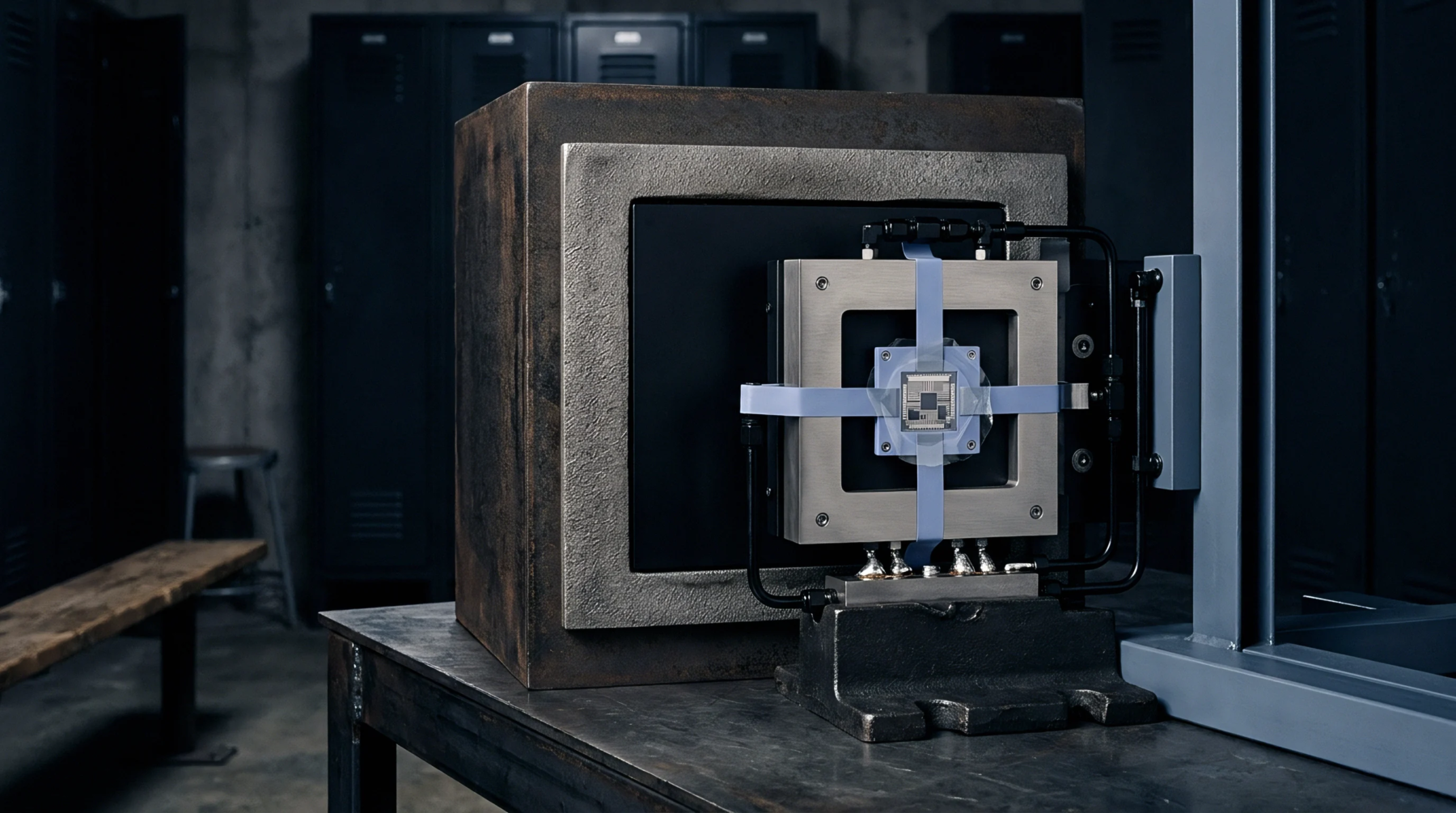
Polymer encapsulant swelling induces parasitic diaphragm stresses that drive zero-offset drift requiring hydrophobic materials or multi-variable digital compensation.
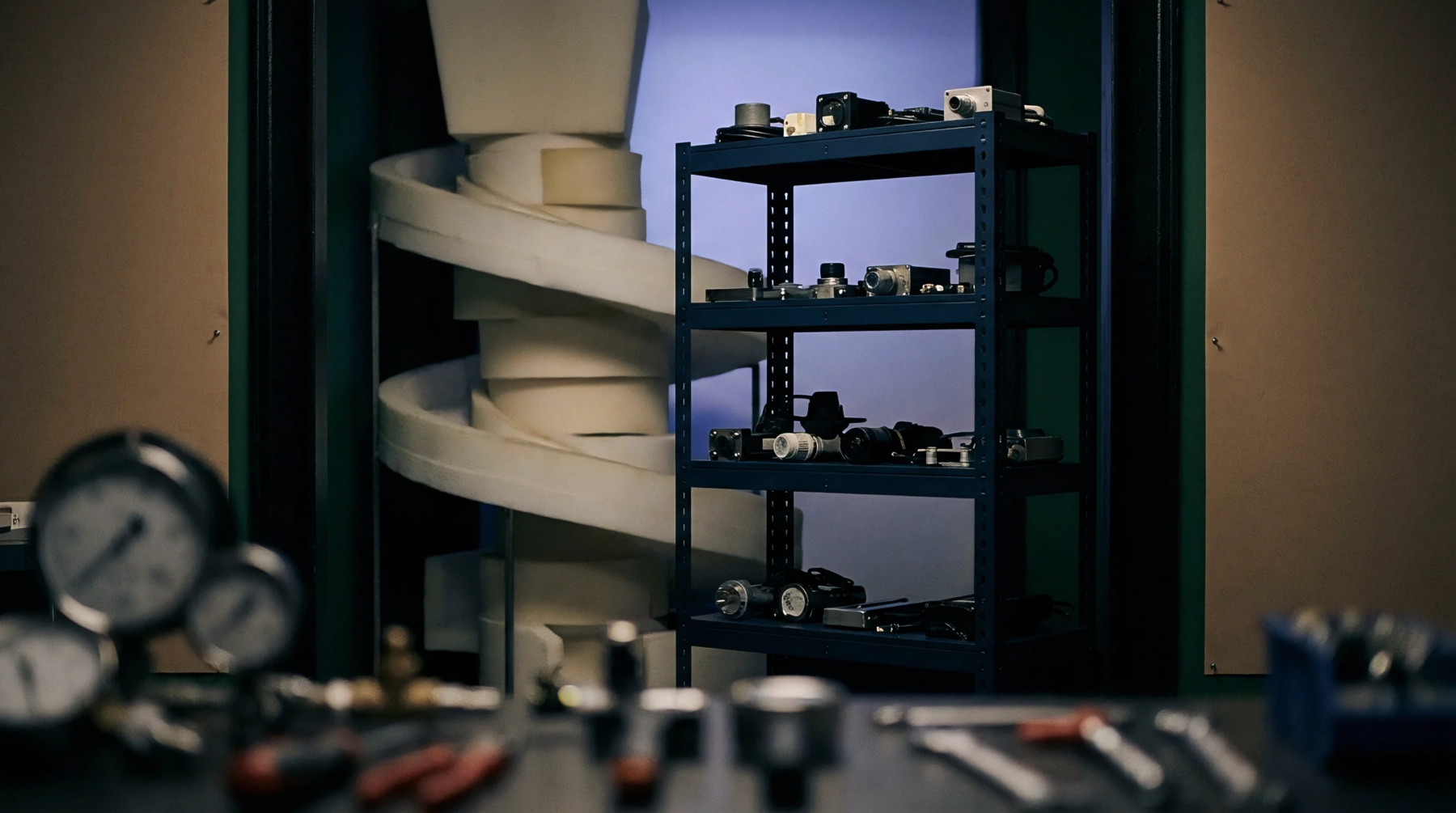
Micro-strain relaxation in MEMS silicon transducer die-attach and packaging interfaces causes long-term zero drift that invalidates ASIC polynomial calibration.
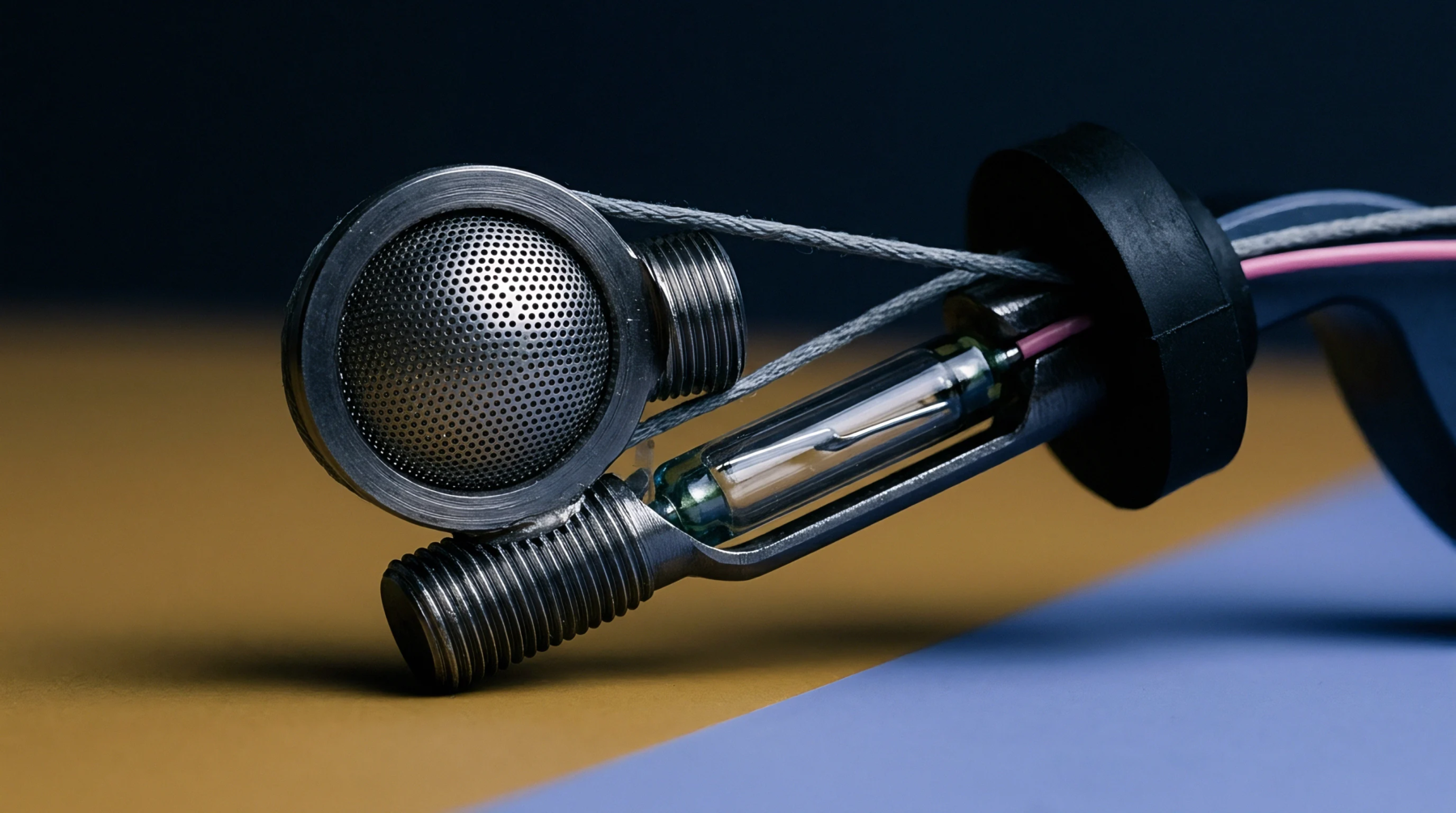
Variable acceptance sampling under ANSI ASQ Z1.9 reduces sample size by 70 percent while enforcing strict consumer risk bounds on transducer lot audits.

An incoming thermal soak verification combined with statistical guardbanding isolates unstable sensor populations before integration into field systems
Expertise is a utility, not a secret. sentiention™ publishes its working knowledge as open reference: intelligence layer covering the materials it sources, the markets it enters, and the reference that serves both.