Finite Element Modeling of Polymeric Underfill Creep for Silicon Sensors
Finite element modeling of underfill creep uses Prony viscoelasticity and Anand viscoplasticity to predict and compensate long-term silicon sensor drift.
Finite element modeling of underfill creep uses Prony viscoelasticity and Anand viscoplasticity to predict and compensate long-term silicon sensor drift.
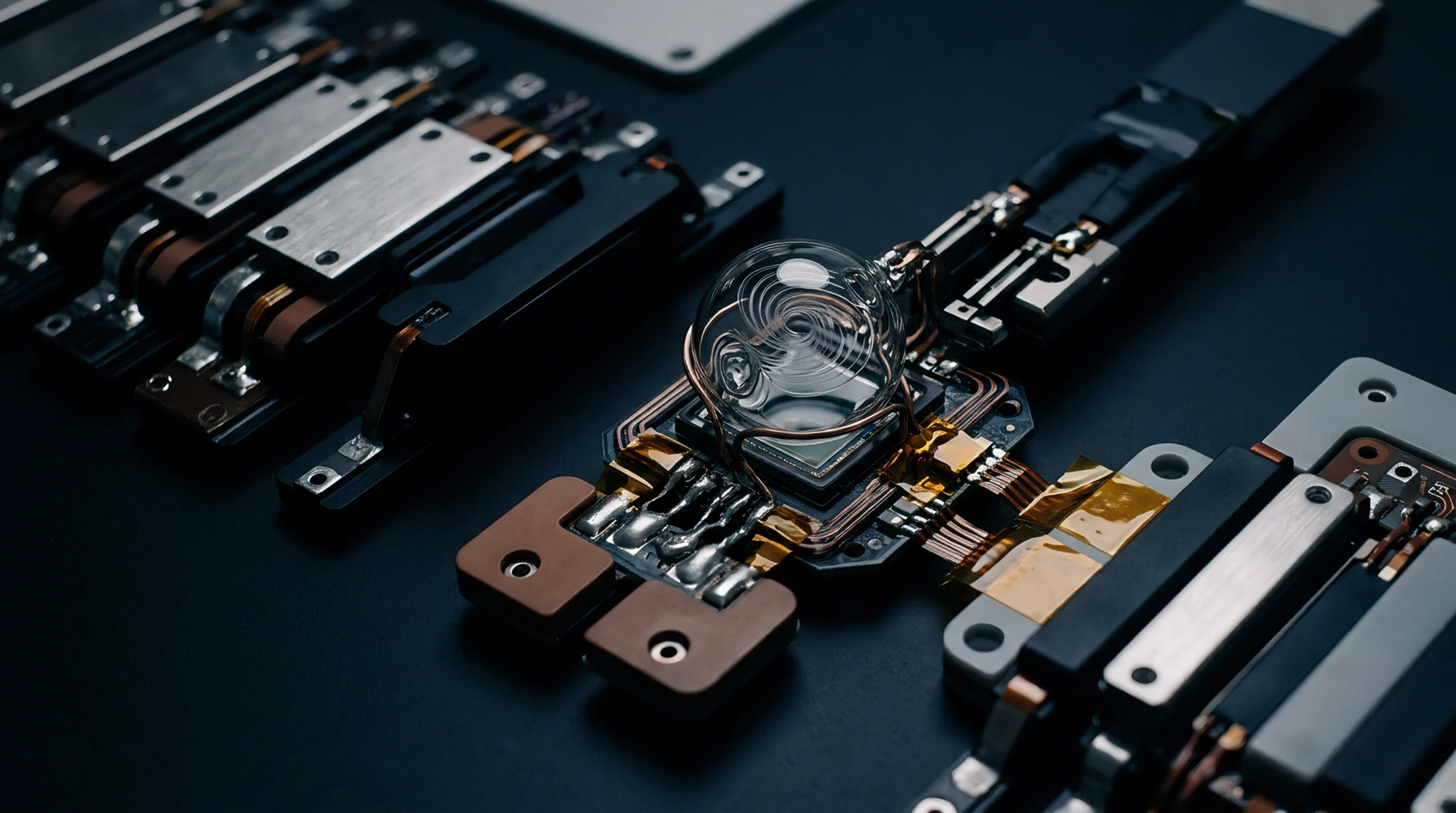
Unbalanced copper planes and high-modulus die attach adhesives in laminate sensor packages cause reflow-induced warpage that shifts piezoresistive zero points.
Elastomer creep alters baseline compressive stress on MEMS packages, causing long term zero drift that requires digital firmware offset compensation.
Anodic glass pedestal bonds creep during thermal cycling via sodium-depleted layer relaxation, inducing permanent piezoresistive sensor zero-point drift.
Secondary fab transduction mismatches require dynamic AFE trimming and strict wafer acceptance stress limits to prevent offset drift and gain saturation.
Implantation energy and post-anneal thermal budgets set piezoresistive sensitivity and offset stability in silicon pressure sensor diaphragms.
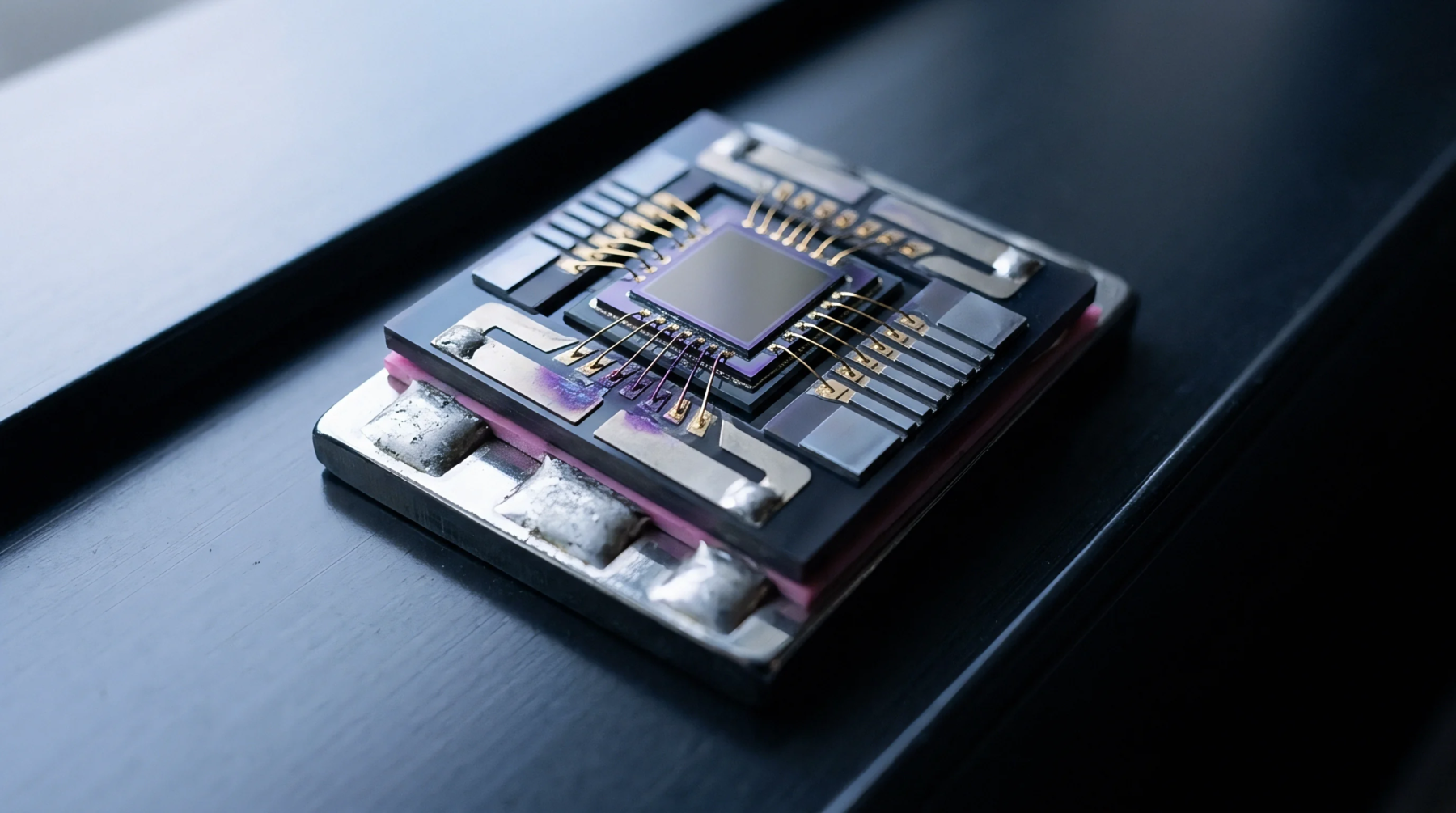
Anodic glass bonding strain is minimized by combining matched non-linear CTE glass selection, thin compliant interlayers, and controlled cool-down ramps.
Fine-pitch iso-die variants exhibit divergent zero-point offset drift governed by package compliance, substrate CTE mismatch, and mechanical piezoresistive stress transfer.
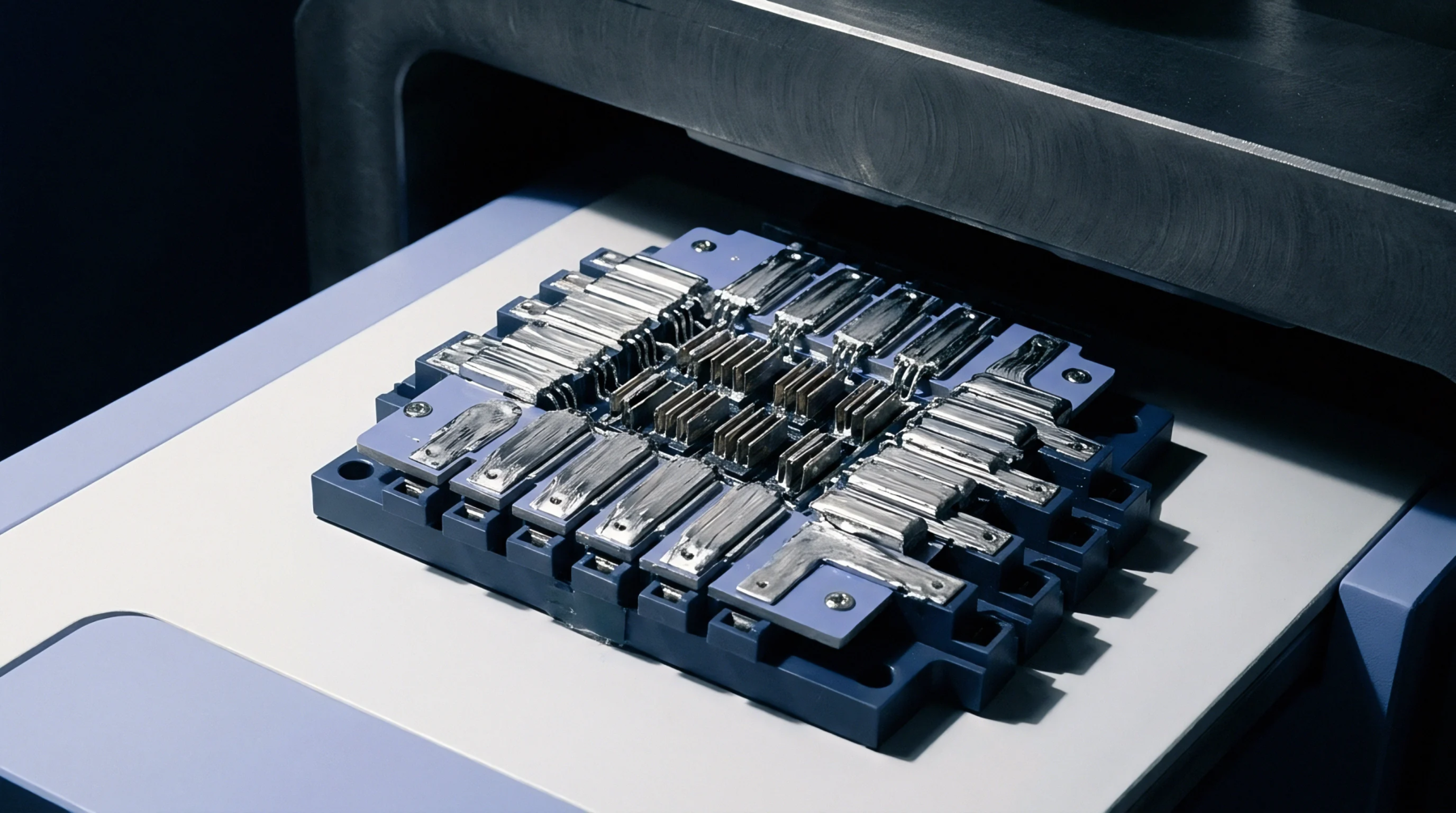
Discrete SMD sensors break even over integrated serial modules above fifty thousand units when assembly yields exceed ninety nine percent.
Thermal expansion mismatch generates interfacial shear tractions that distort piezoresistive bridge symmetry, producing unrecoverable zero-point drift.
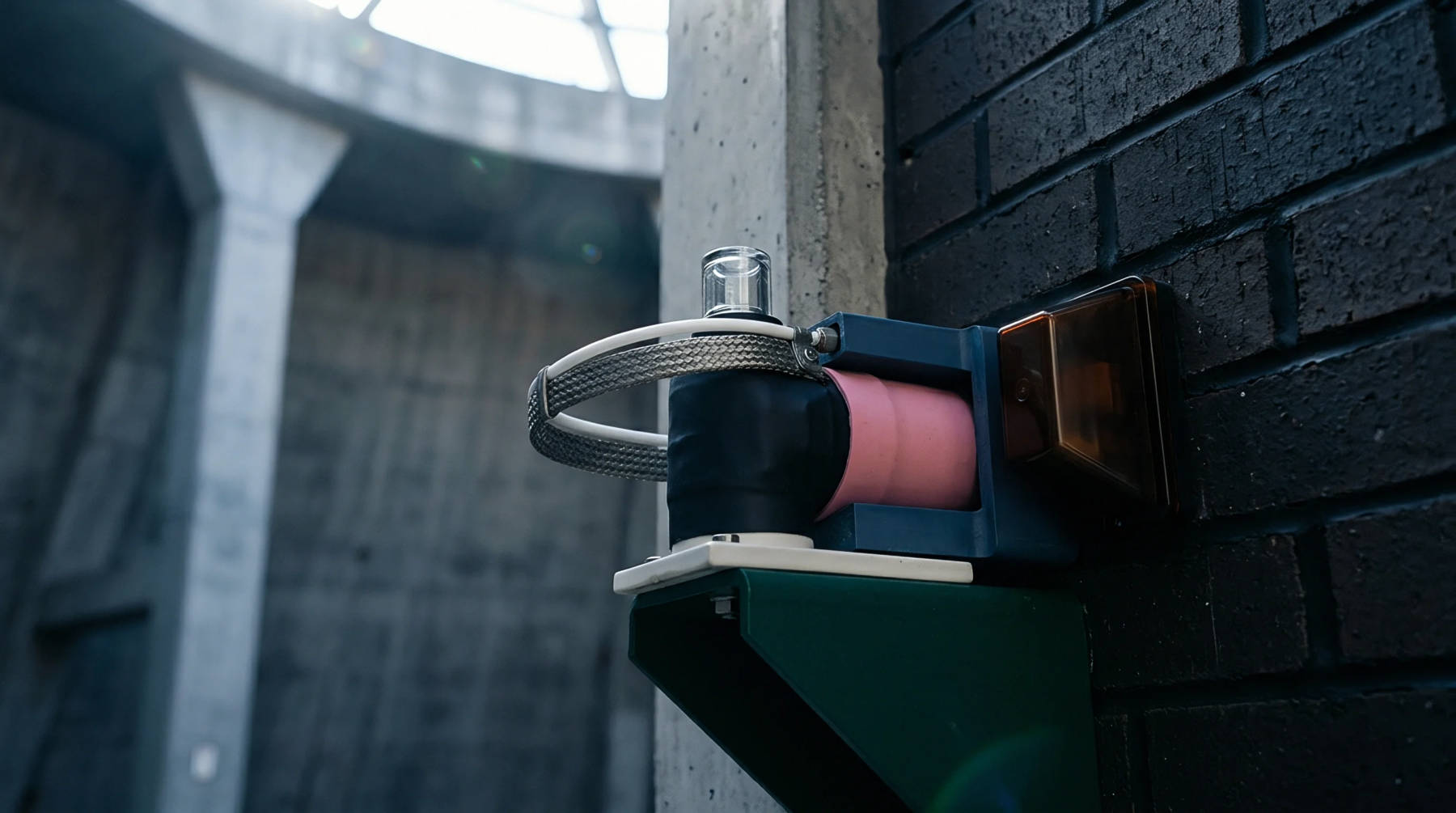
Controlled gland squeeze between 15% and 25% prevents mechanical die stress while isolating the pressure port against long-term fluid leakage.
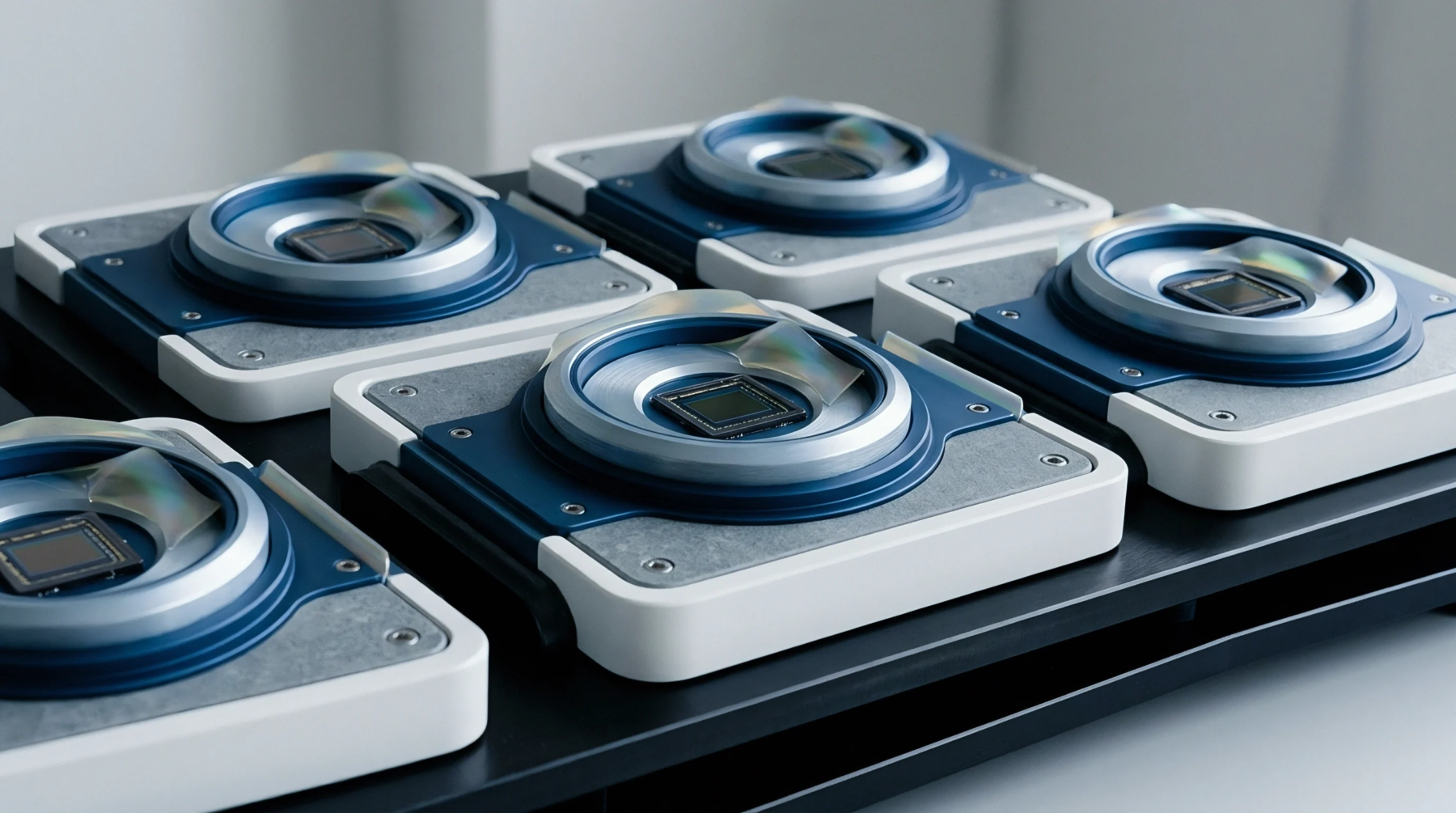
Polymeric die attach viscoelastic creep drives time-dependent sensor offset drift; matching glass transition temperature and controlling bondline shear lag minimizes zero wander.
Expertise is a utility, not a secret. sentiention™ publishes its working knowledge as open reference: intelligence layer covering the materials it sources, the markets it enters, and the reference that serves both.