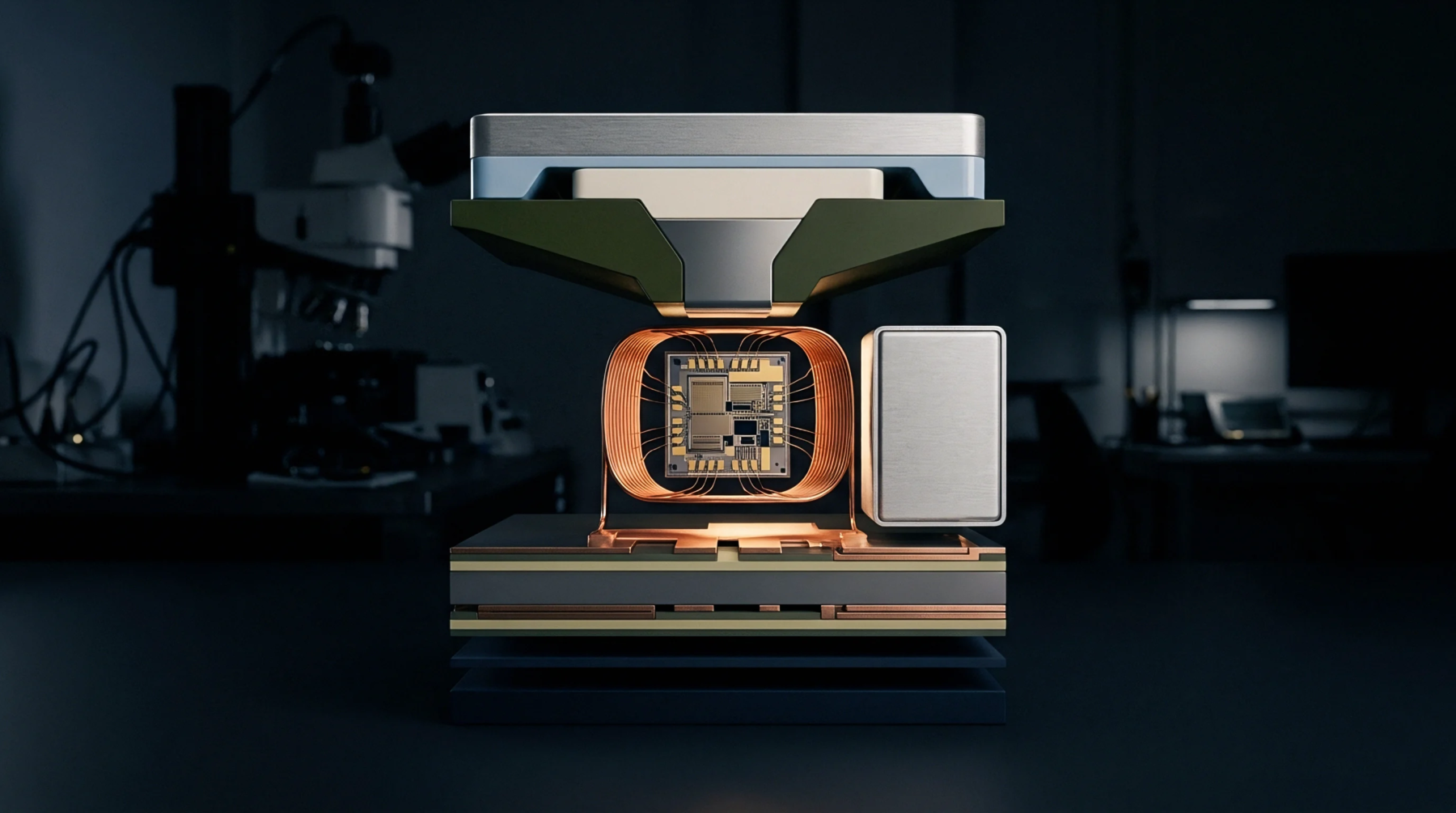
Quantifying Micro-Scale Shear Creep and Sensor Offset Drift Rates
Micro-scale shear creep in die-attach adhesives drives sensor offset drift; selecting high-Tg polymers and thermal pre-aging eliminates costly field recalibration.
Micro-scale shear creep in die-attach adhesives drives sensor offset drift; selecting high-Tg polymers and thermal pre-aging eliminates costly field recalibration.

Polymeric sensor packaging viscoelasticity causes long-term zero-point calibration drift, demanding thermomechanical screening and stress relaxation modeling.
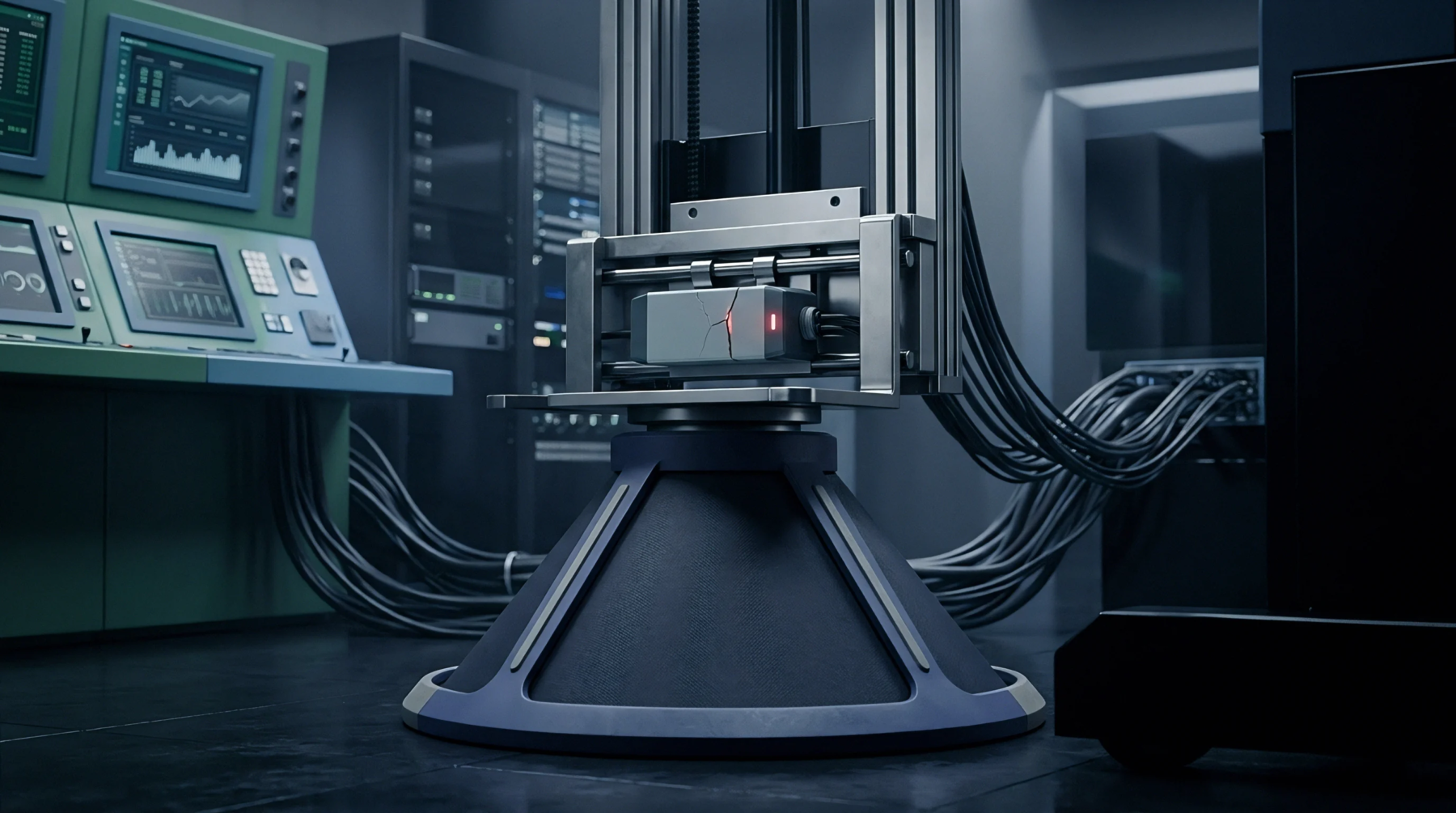
Polymer die attach relaxation changes micro-resonator anchor stress over time, driving bias drift that requires hard eutectic solders or burn-in aging.

Sintered silver creep shifts die shear limits under power cycling, demanding Anand viscoplastic parameters tied directly to measured density.

Polymer viscoelastic stress relaxation in molded MEMS packages causes long-term zero-point offset drift that requires cavity isolation or baked burn-in.
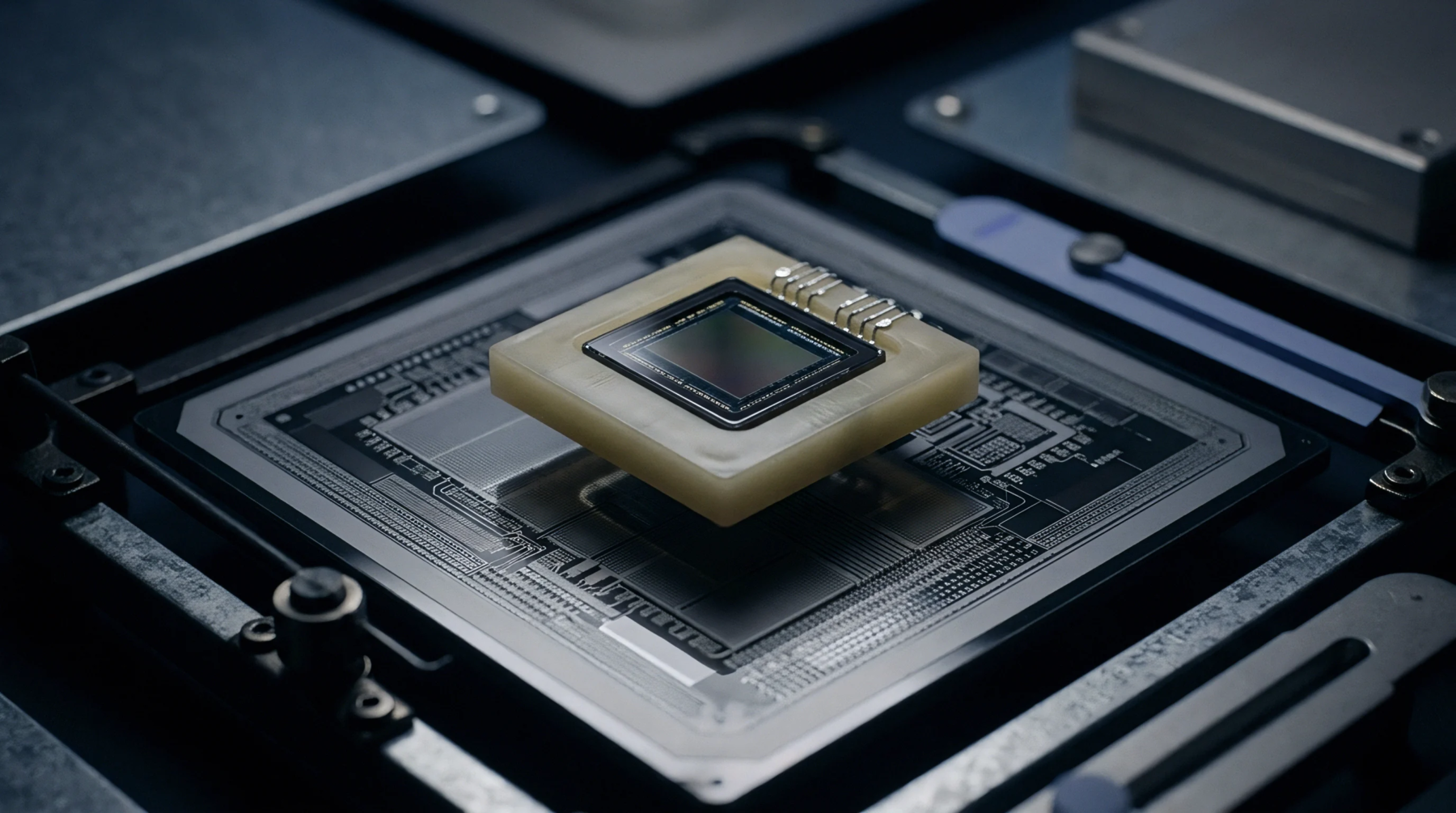
Creep voiding in sintered silver under high-frequency pulsing proceeds by vacancy diffusion and grain growth, accelerating delamination near the die interface.

Spatial thermal gradients disrupt differential capacitive balance, requiring symmetric substrate layout and strain isolation to preserve bias stability.

Substrate stress relaxation drives long-term zero drift in encapsulated MEMS pressure sensors through viscoelastic shear in packaging adhesives over time.
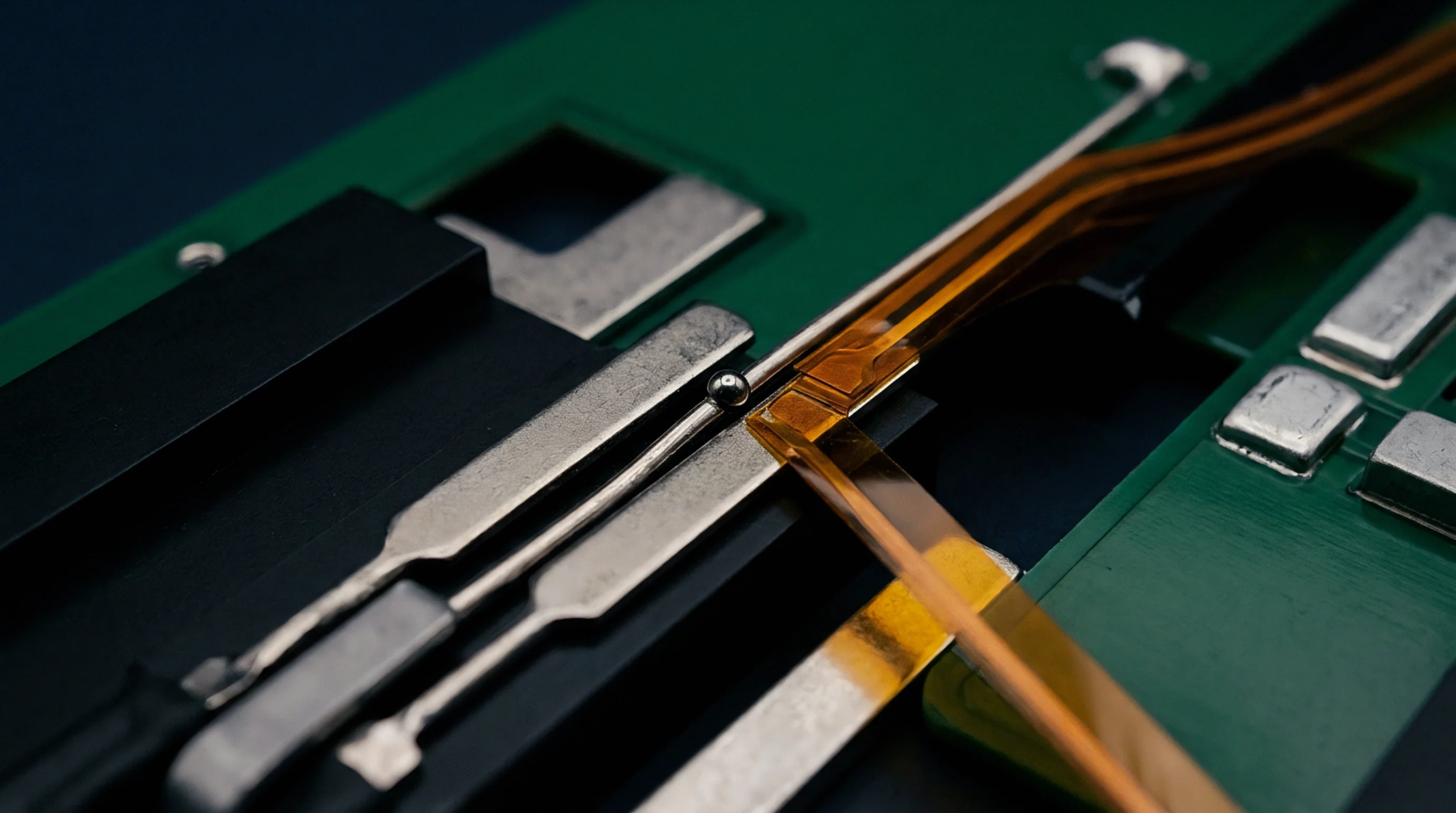
Milled PCB isolation slots and controlled solder standoff heights decouple surface mount pressure sensors from assembly flexure and thermal board strain.

Wafer trim establishes initial sensor accuracy classes, but package stress and thermal drift determine field performance and calibration costs.
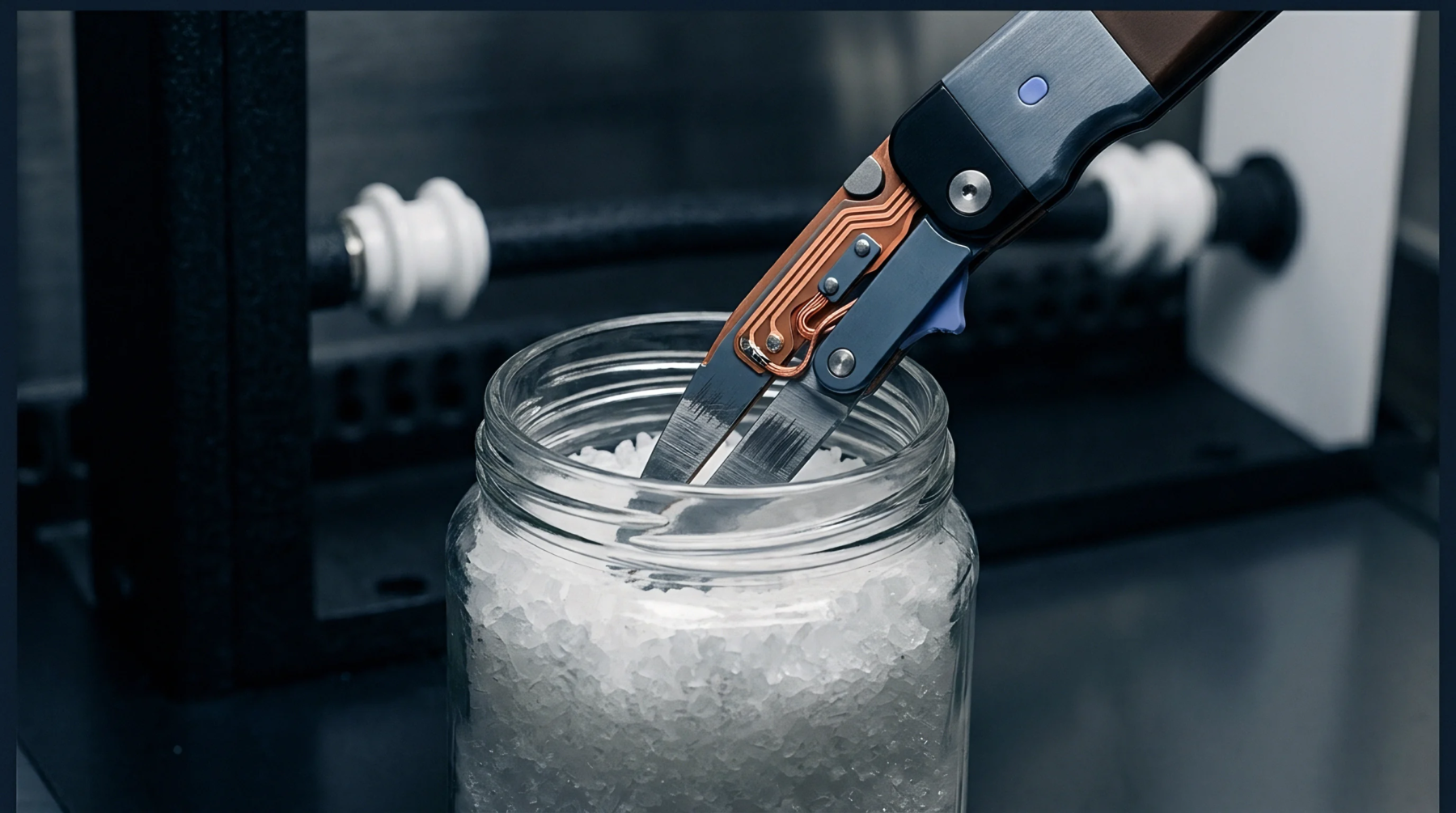
Analytical die stress modeling isolates mechanical package strain from sensor signals while hysteresis compensation algorithms eliminate viscoelastic offset drift.
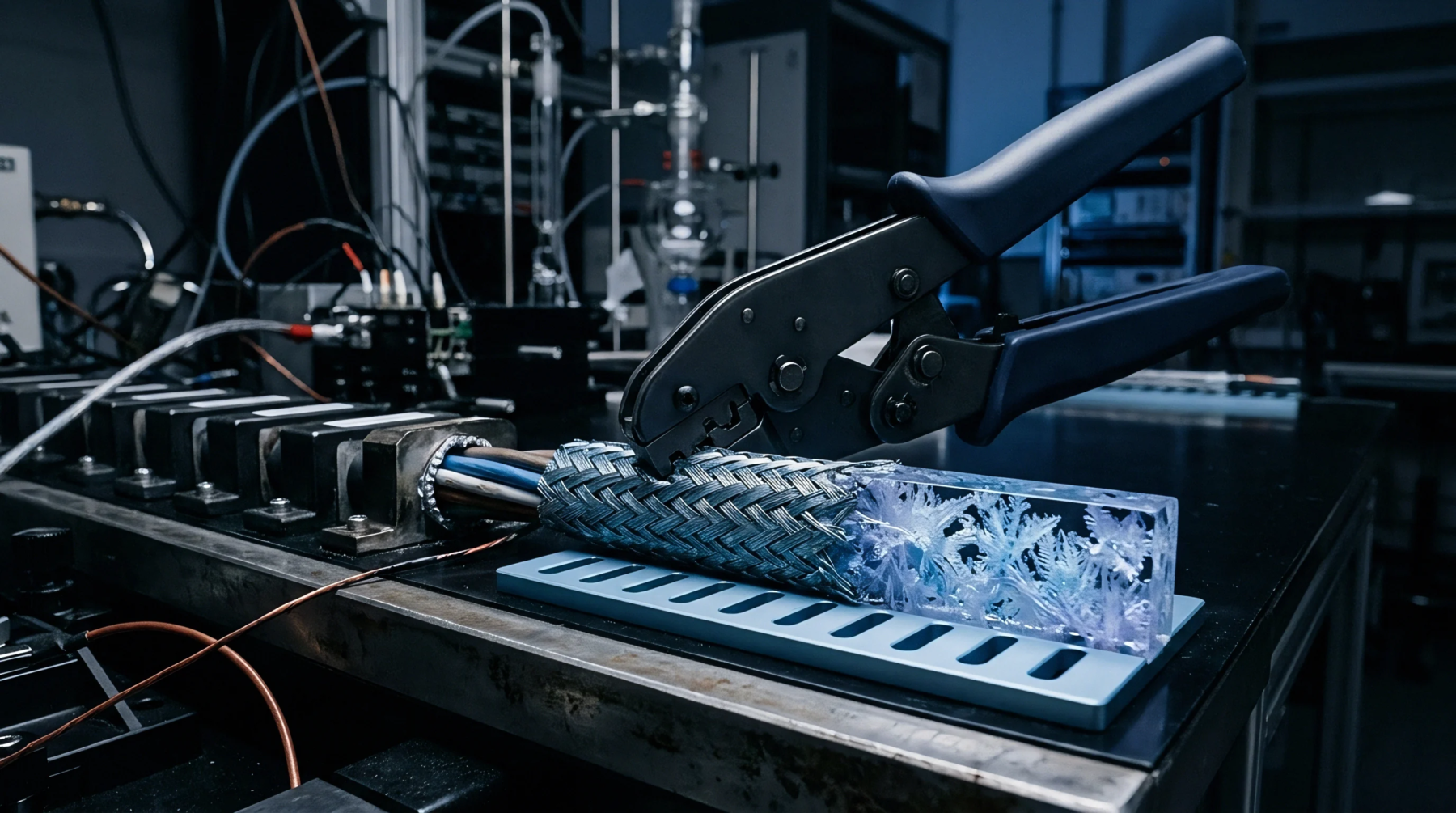
Compositionally graded compliant interlayers and post-sputter thermal anneals eliminate residual thermal strain, preventing zero-drift in sputtered thin-film sensors.

Dynamic thermal cycling induces non-linear piezoresistive hysteresis that demands dynamic gradient tracking and second-order surface compensation models.
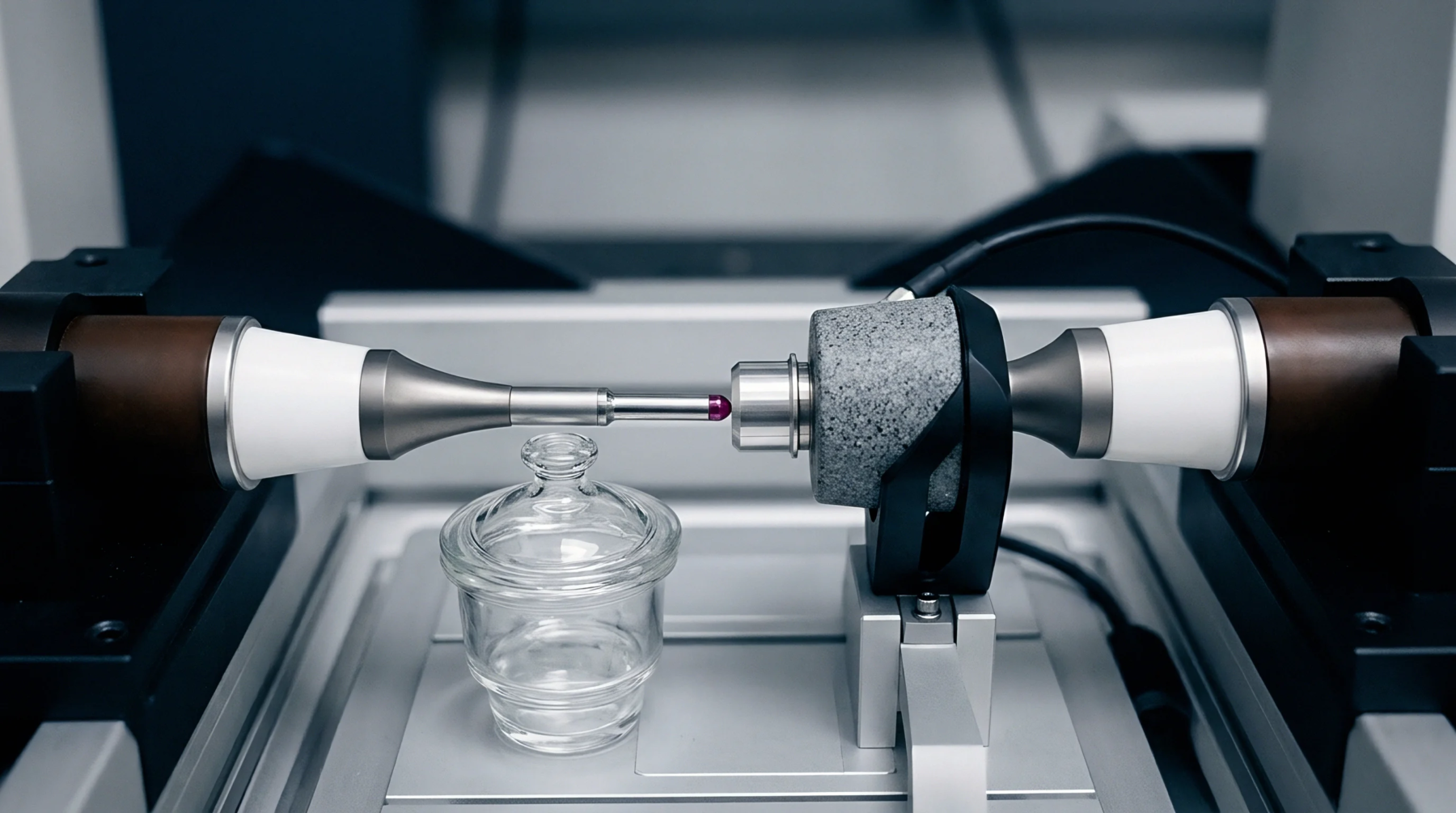
Precise Wheatstone bridge zero-point stability requires matching piezoresistive crystal orientation with thermo-mechanical strain isolation in the packaging stack.
Expertise is a utility, not a secret. sentiention™ publishes its working knowledge as open reference: intelligence layer covering the materials it sources, the markets it enters, and the reference that serves both.