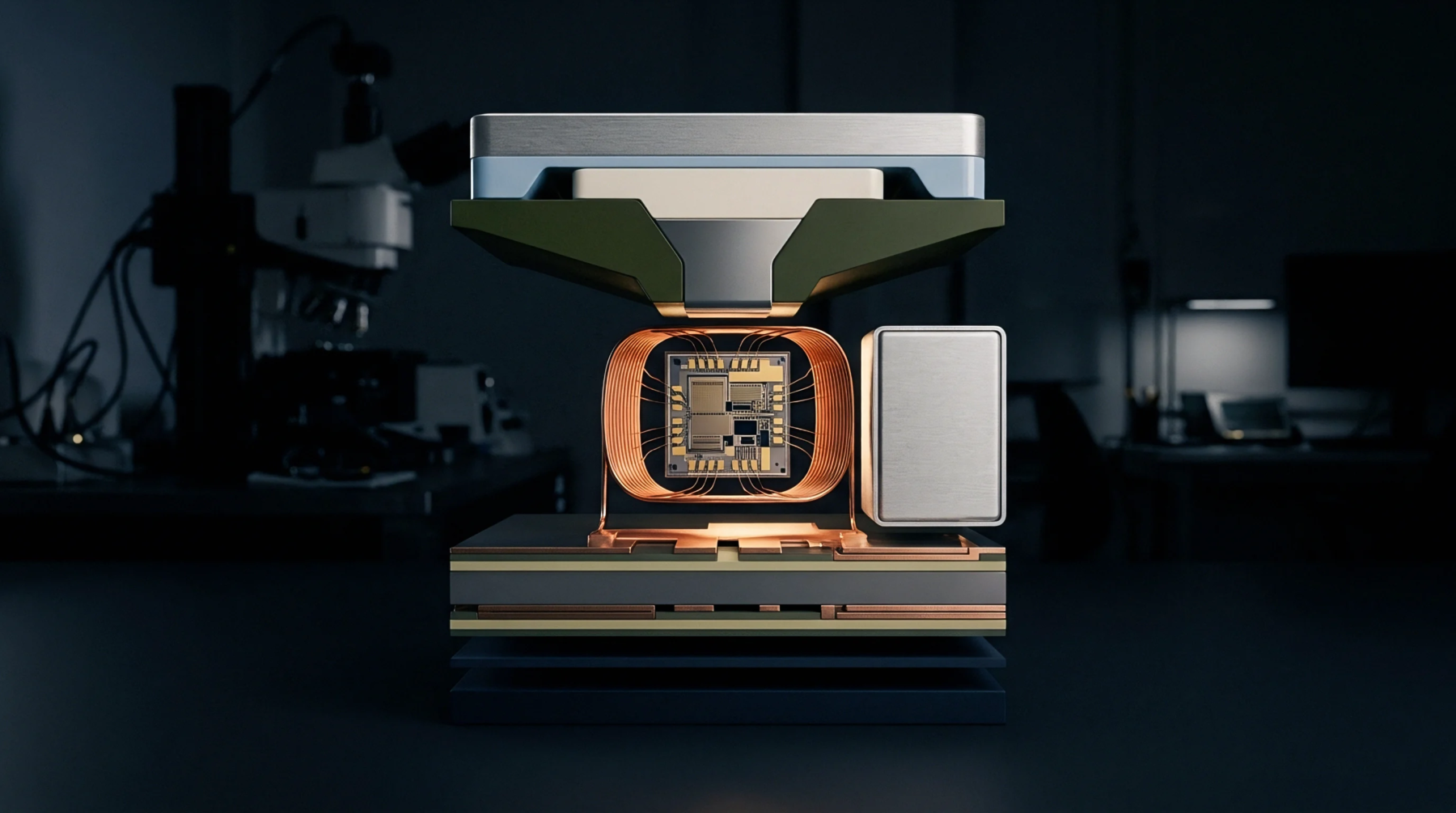
Quantifying Micro-Scale Shear Creep and Sensor Offset Drift Rates
Micro-scale shear creep in die-attach adhesives drives sensor offset drift; selecting high-Tg polymers and thermal pre-aging eliminates costly field recalibration.
Micro-scale shear creep in die-attach adhesives drives sensor offset drift; selecting high-Tg polymers and thermal pre-aging eliminates costly field recalibration.

Polymeric sensor packaging viscoelasticity causes long-term zero-point calibration drift, demanding thermomechanical screening and stress relaxation modeling.
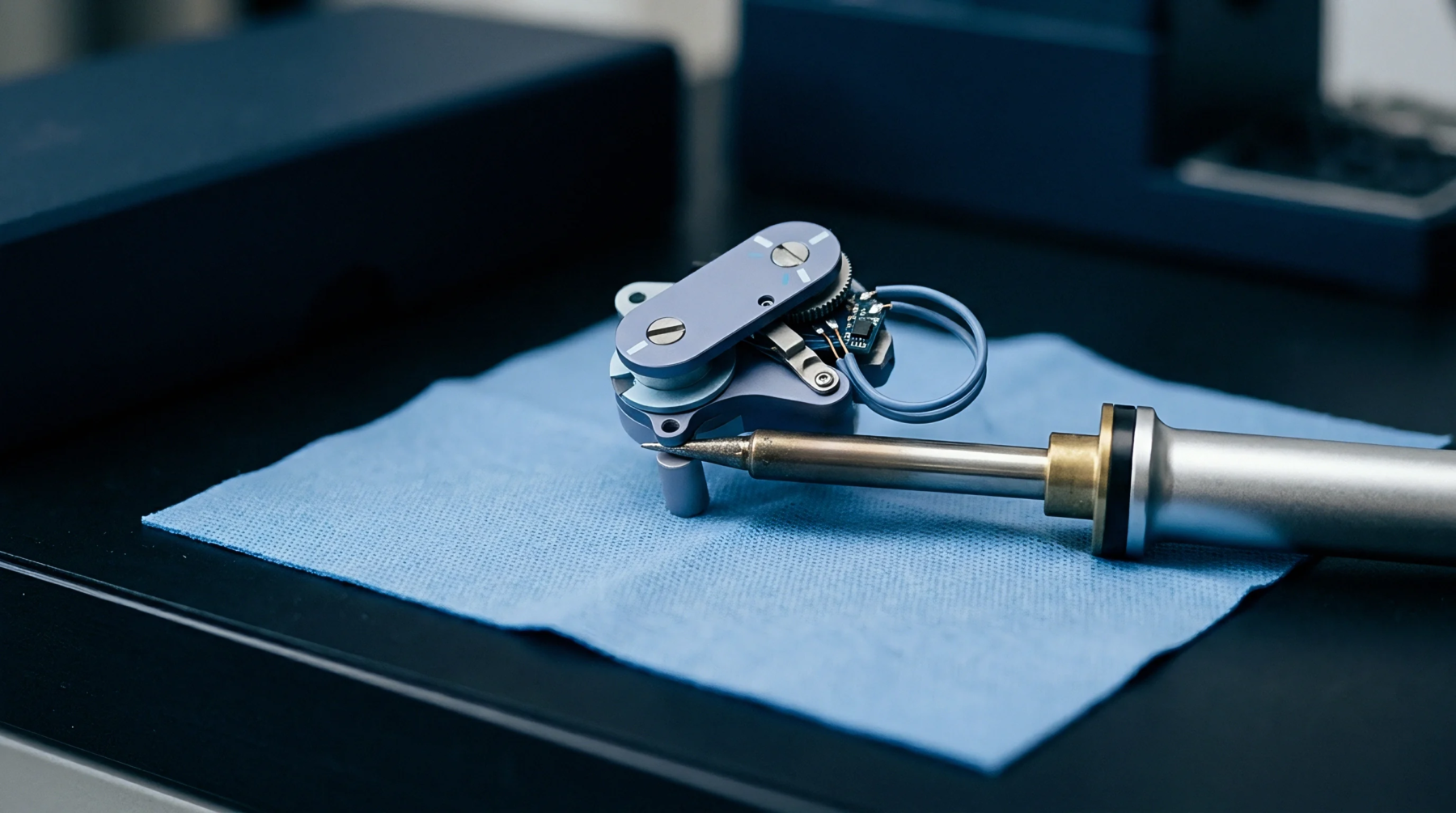
Decoupling non-Fickian moisture swelling from viscoelastic relaxation requires differential reference dies and state-observer firmware to hold zero-point stability.

Moisture ingress into silicone transducer gels induces time-dependent strain and viscoelastic relaxation that shift piezoresistive offset accuracy.

Sintered silver creep shifts die shear limits under power cycling, demanding Anand viscoplastic parameters tied directly to measured density.

High-temperature epoxy bondlines lose shear stiffness during thermal soak, causing continuous micro-strain span decay and zero drift that require time-based derating.

Polymer interface degradation stems from moisture hydrolysis and thermomechanical stress, requiring targeted acoustic screening and activation energy mapping.

Dynamic thermal gradients in field transfer standards expand calibration uncertainty, requiring calculated ramp lag and axial conduction additions.
State space hysteresis modeling lowers multi-axis sensor network drift below zero point zero five percent full scale across thermal cycles.

Generalized Prandtl-Ishlinskii play operators linearize directional thermal hysteresis loops, cutting transducer calibration uncertainty from 90 mK down to 13 mK.

Substrate stress relaxation drives long-term zero drift in encapsulated MEMS pressure sensors through viscoelastic shear in packaging adhesives over time.
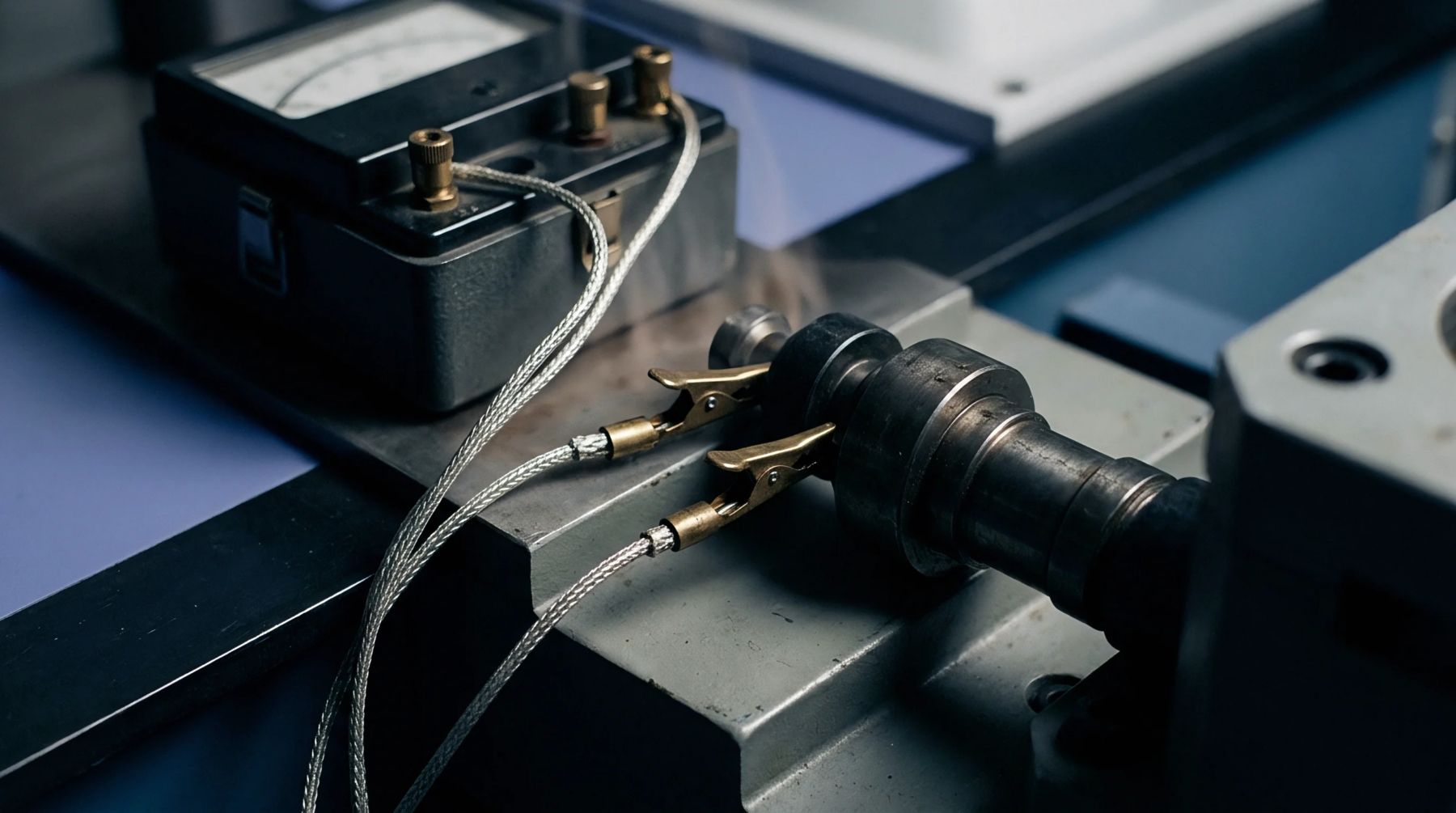
Evaluating temperature coefficient wander in thin film platinum RTDs requires tracking substrate strain, glass passivation diffusion, and multi-point calibration.
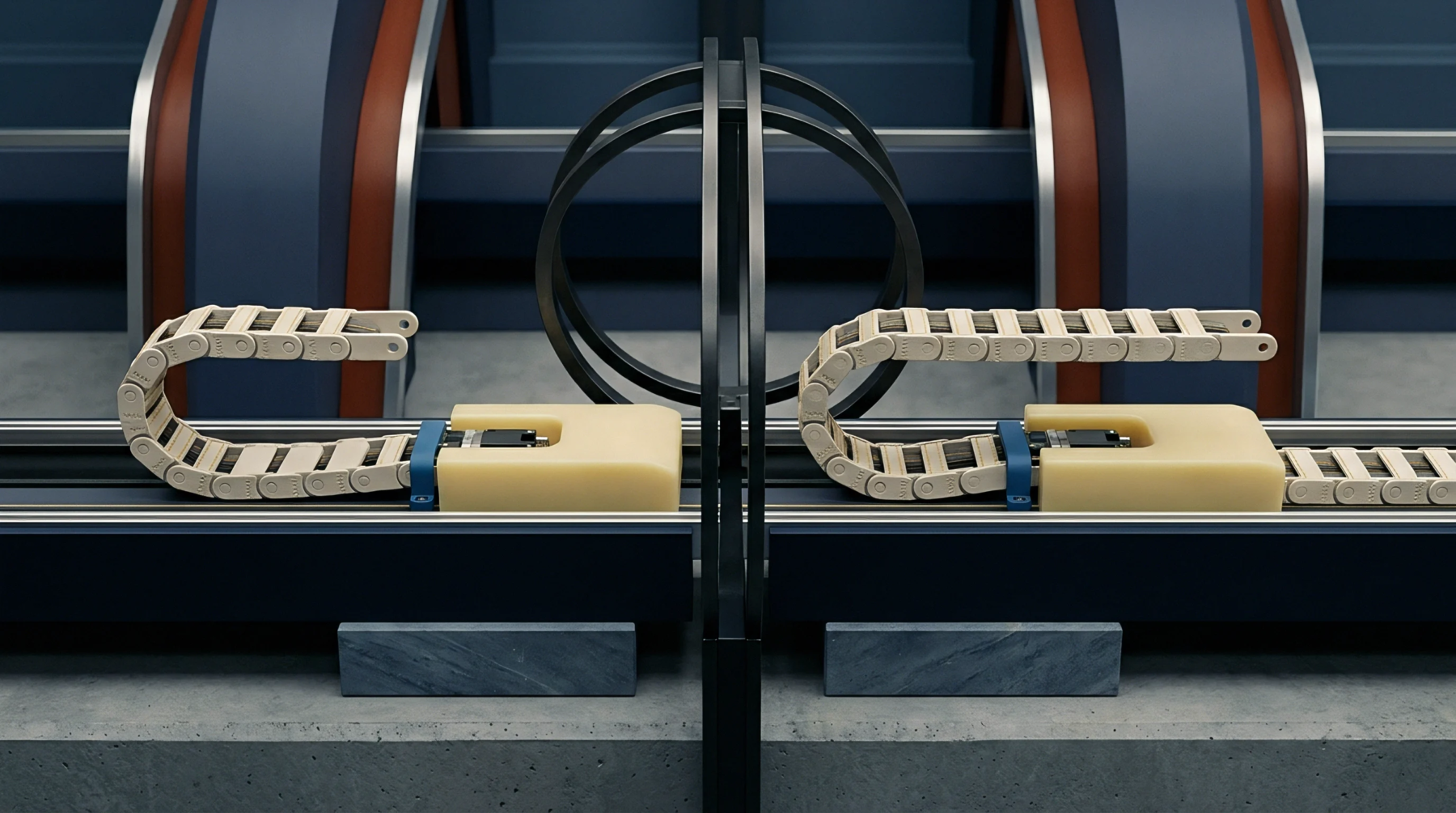
Establishing pressure traceability requires calculating complete uncertainty budgets and enforcing accredited test ratios to prove sensor claims.
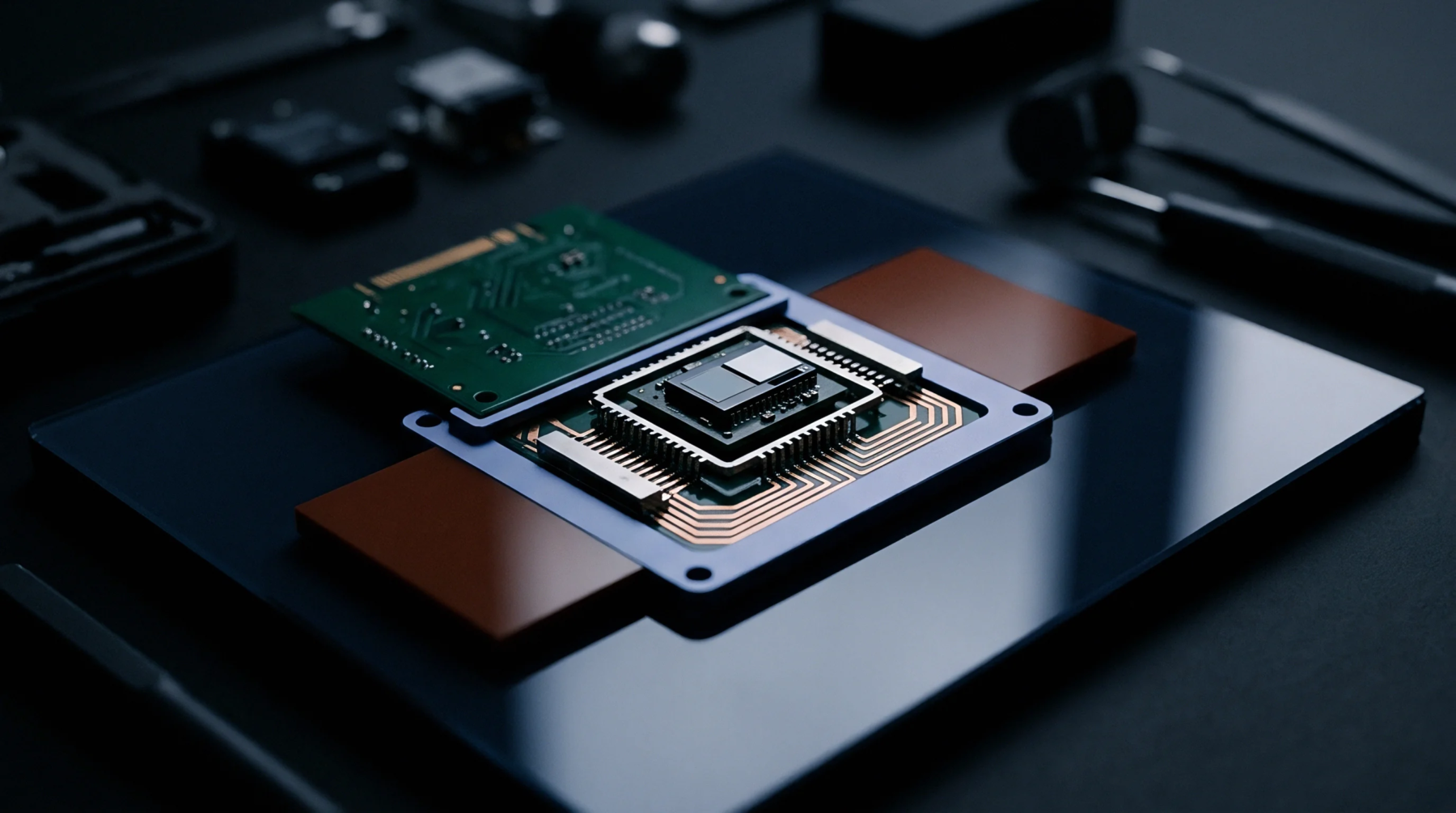
Non-Gaussian drift allocation disputes are resolved by decomposing parametric shifts using empirical quantile bounds and baseline differential tier testing.
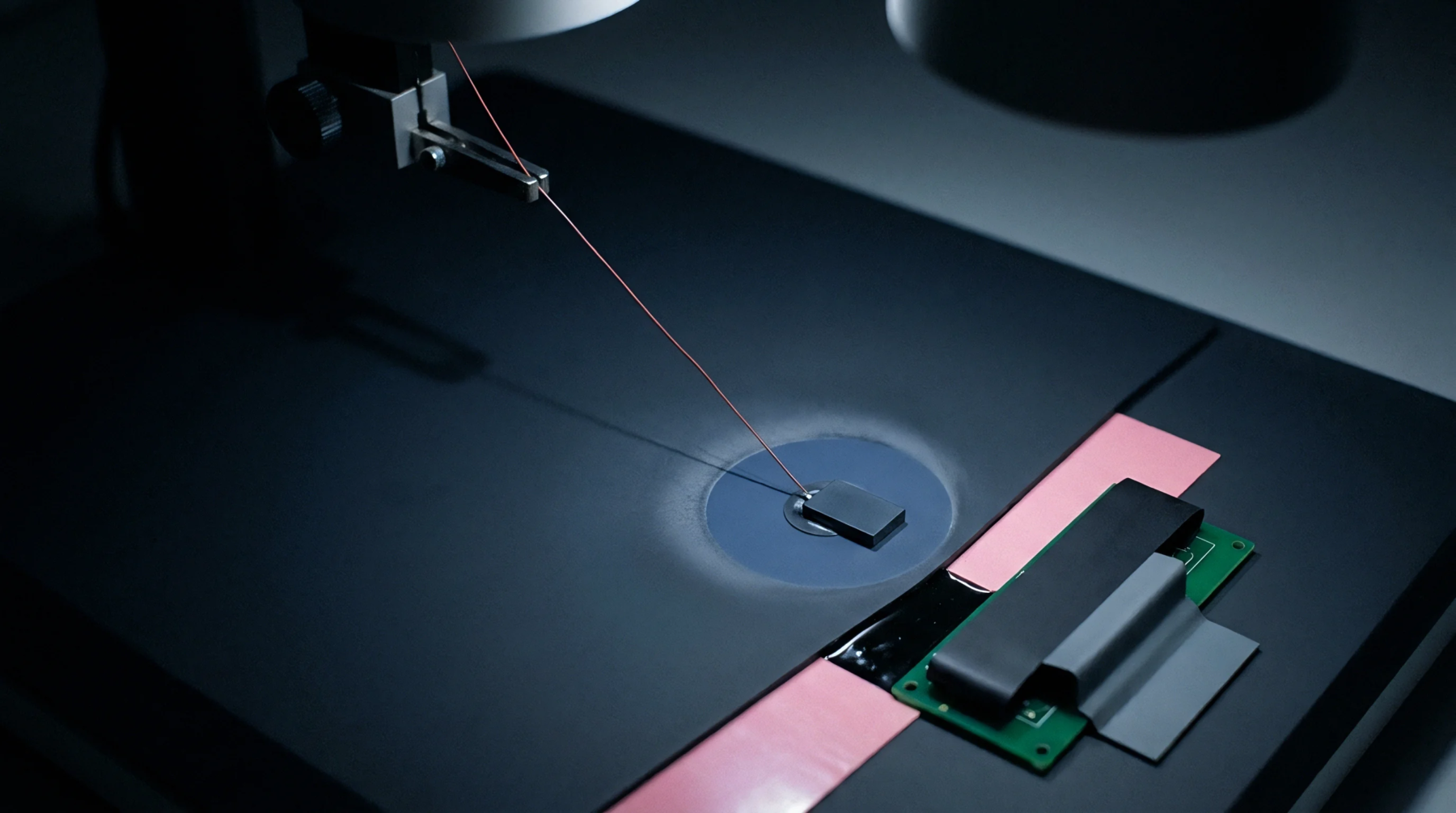
Quantifying test uncertainty and parametric drift through guardbanding and thermal acceleration equations prevents field returns and secures accurate component tolerances.
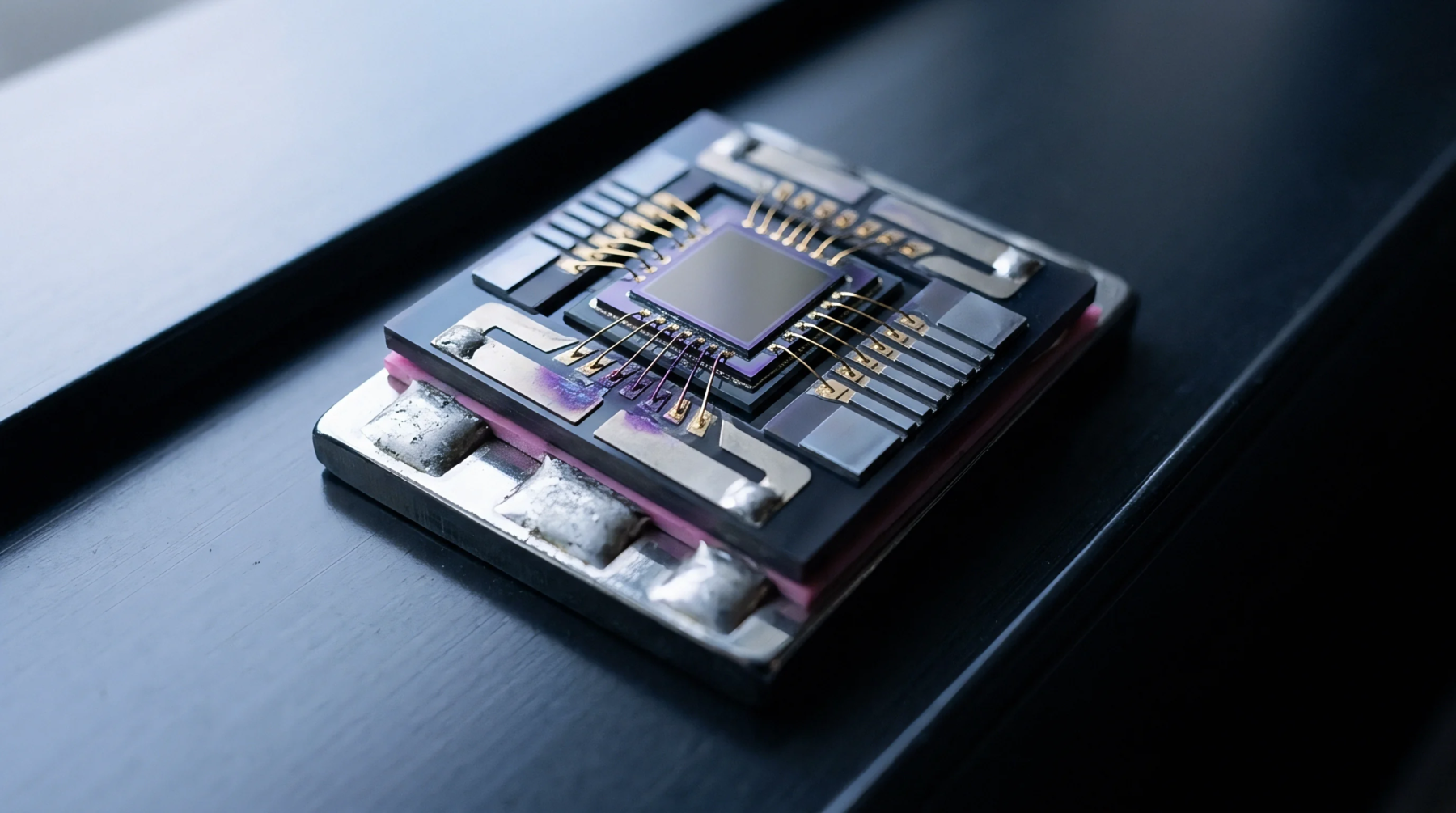
Master supply agreements enforce microelectronic acceptance by establishing guard-banded drift boundaries that partition thermal, packaging, and aging errors.
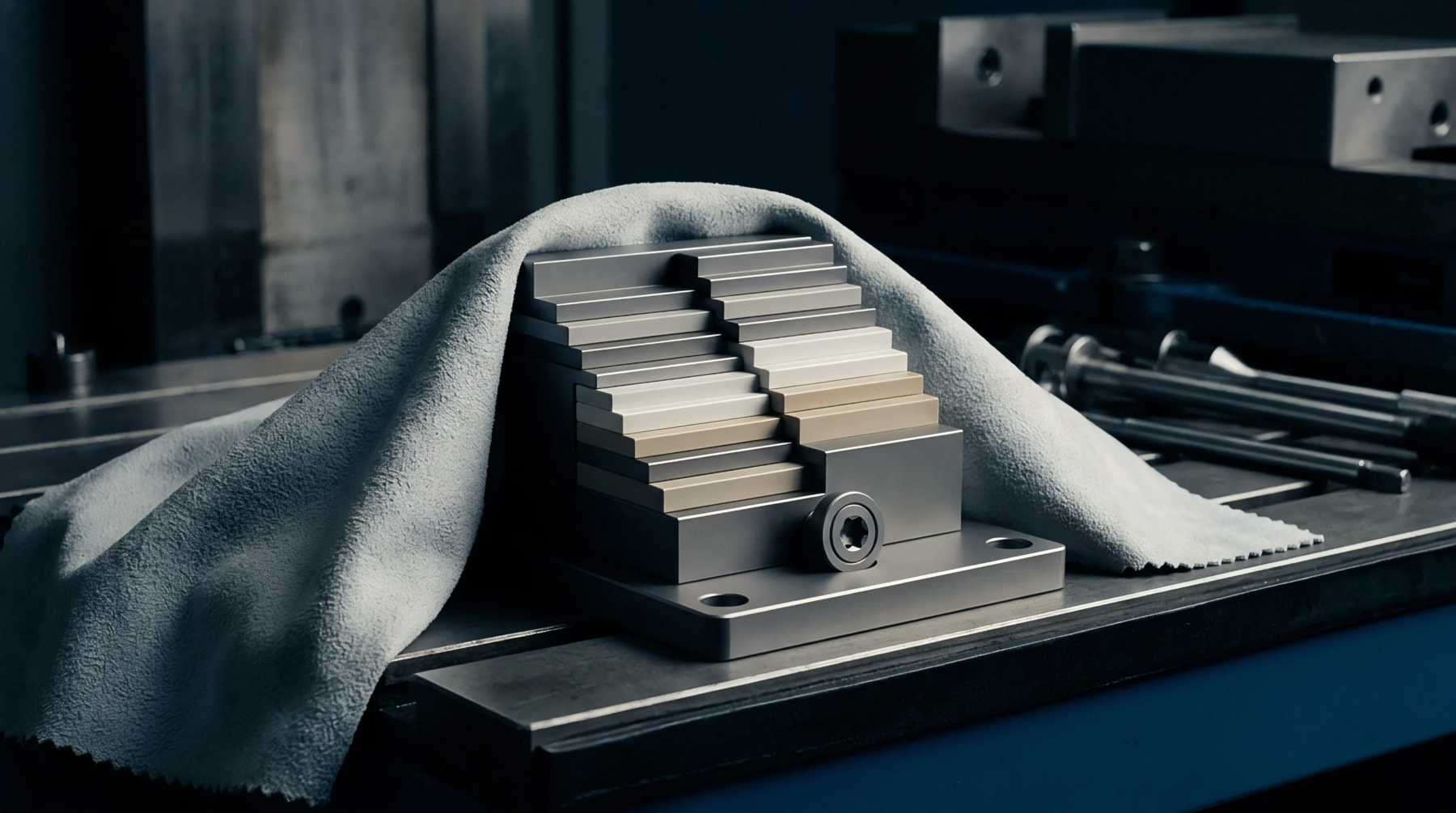
Primary deadweight piston gauge uncertainty budgeting demands rigorous mathematical coupling of effective area, pressure distortion, mass buoyancy, and clearance flow.

Calibration traceability requires unbroken deadweight references, while exceeding proof pressure bounds causes unrecoverable zero drift from metallic yielding.

Quantifying constitutive parameter uncertainty in viscoelastic die attach models prevents false thermal cycling pass predictions in high-reliability packaging.
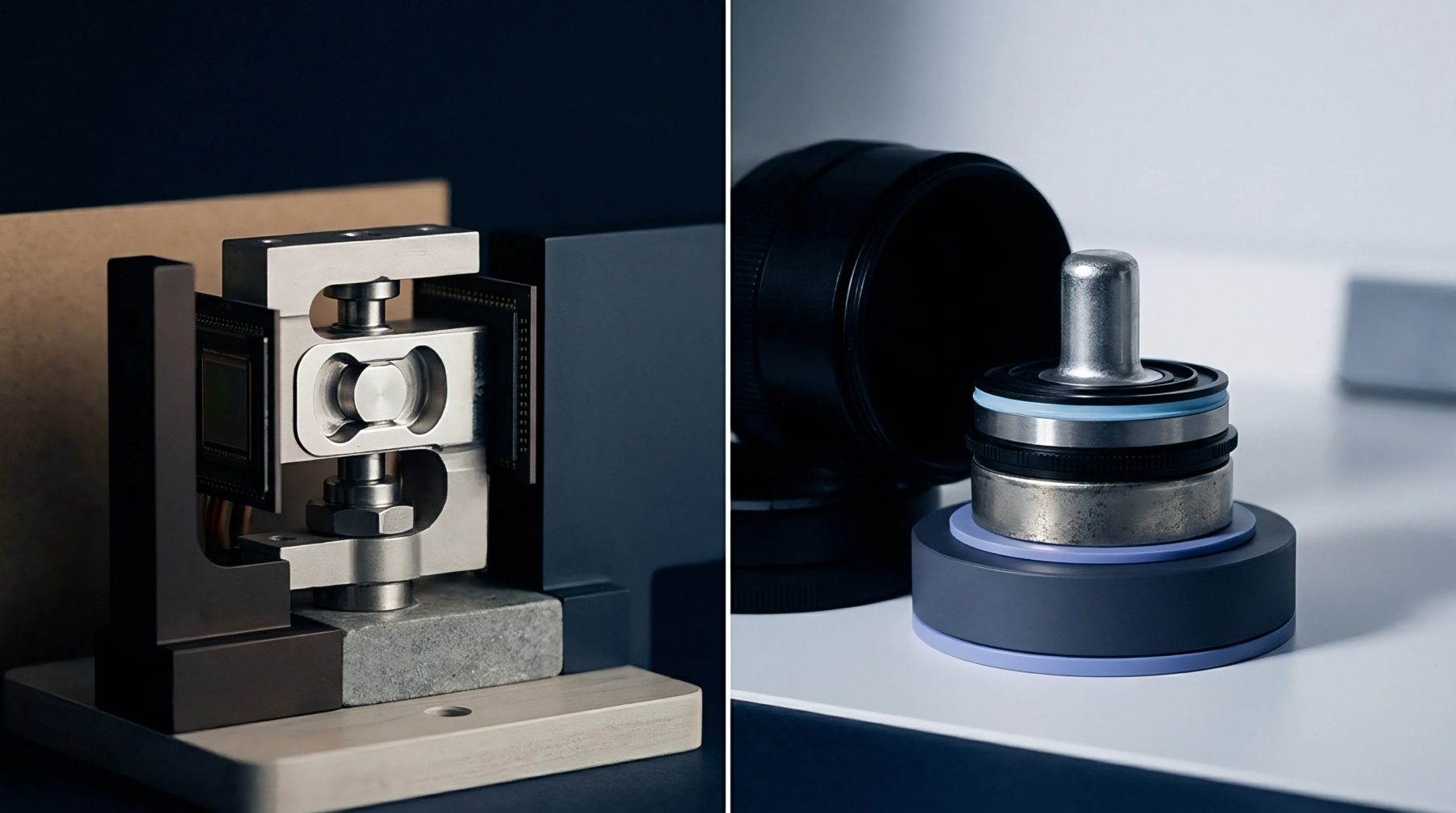
A structured transducer intake bench verifies zero balance, insulation resistance, and multi-point span accuracy against calibrated reference standards.

Reconciling divergent calibration certificates requires auditing lab scopes, matching test conditions, and computing normalized error ratios before retesting.
Expertise is a utility, not a secret. sentiention™ publishes its working knowledge as open reference: intelligence layer covering the materials it sources, the markets it enters, and the reference that serves both.