
Nonlinear Viscoelastic Polymer Matrix Stress Decay Mechanics under Dynamic Thermal Cycling
Dynamic thermal cycling accelerates nonlinear polymer matrix stress decay, eroding clamping preloads and driving sensor zero-point drift.

Dynamic thermal cycling accelerates nonlinear polymer matrix stress decay, eroding clamping preloads and driving sensor zero-point drift.

Phase angle resolution degrades when dynamic lift-off trajectories project noise onto defect vectors, requiring carrier stability below 0.05 degrees.

Multi-frequency impedance inversion isolates lift-off clearance vectors from conductivity shifts to achieve real-time inline alloy sorting down to 150 microseconds.
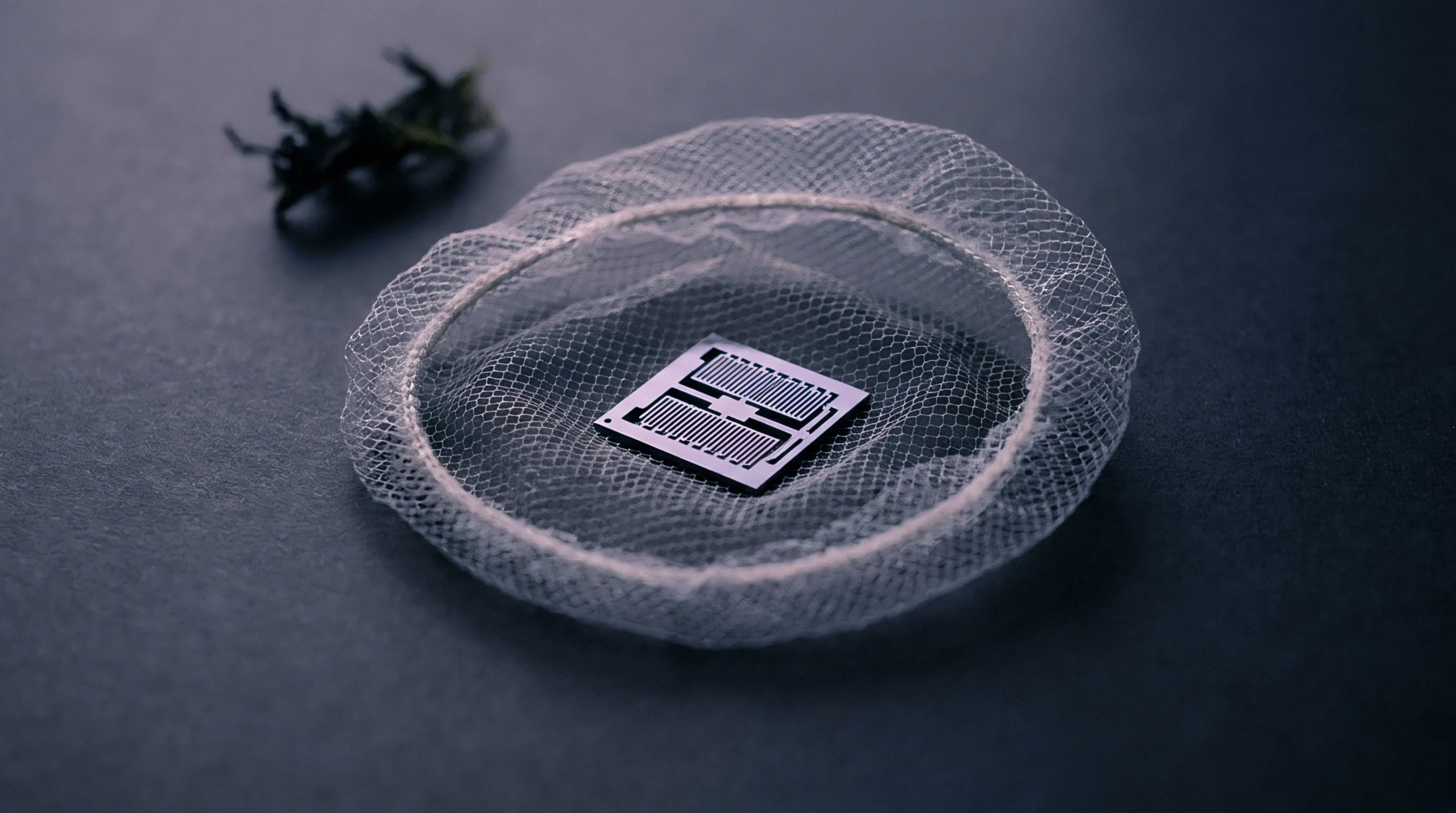
Viscoelastic relaxation in organic die attach layers drives long-term zero drift in piezoresistive MEMS sensors by continuously altering residual die strain.
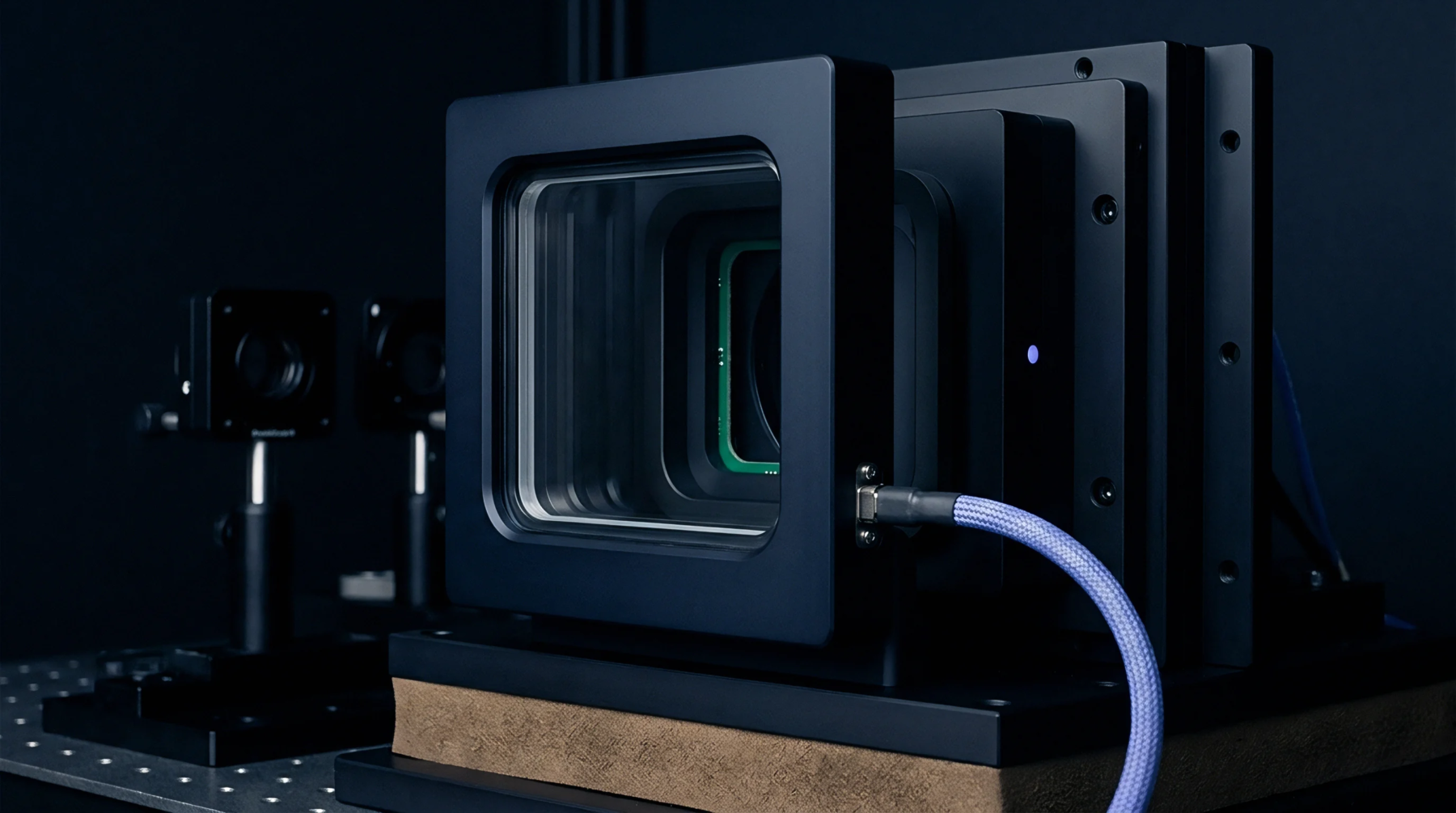
Controlled high-temperature bake schedules accelerate viscoelastic strain relaxation in die-attach adhesives to suppress long-term zero drift.

Multiaxial viscoelasticity and environmental degradation in hermetic die attach layers require triaxial stress modeling and verified moisture kinetics.
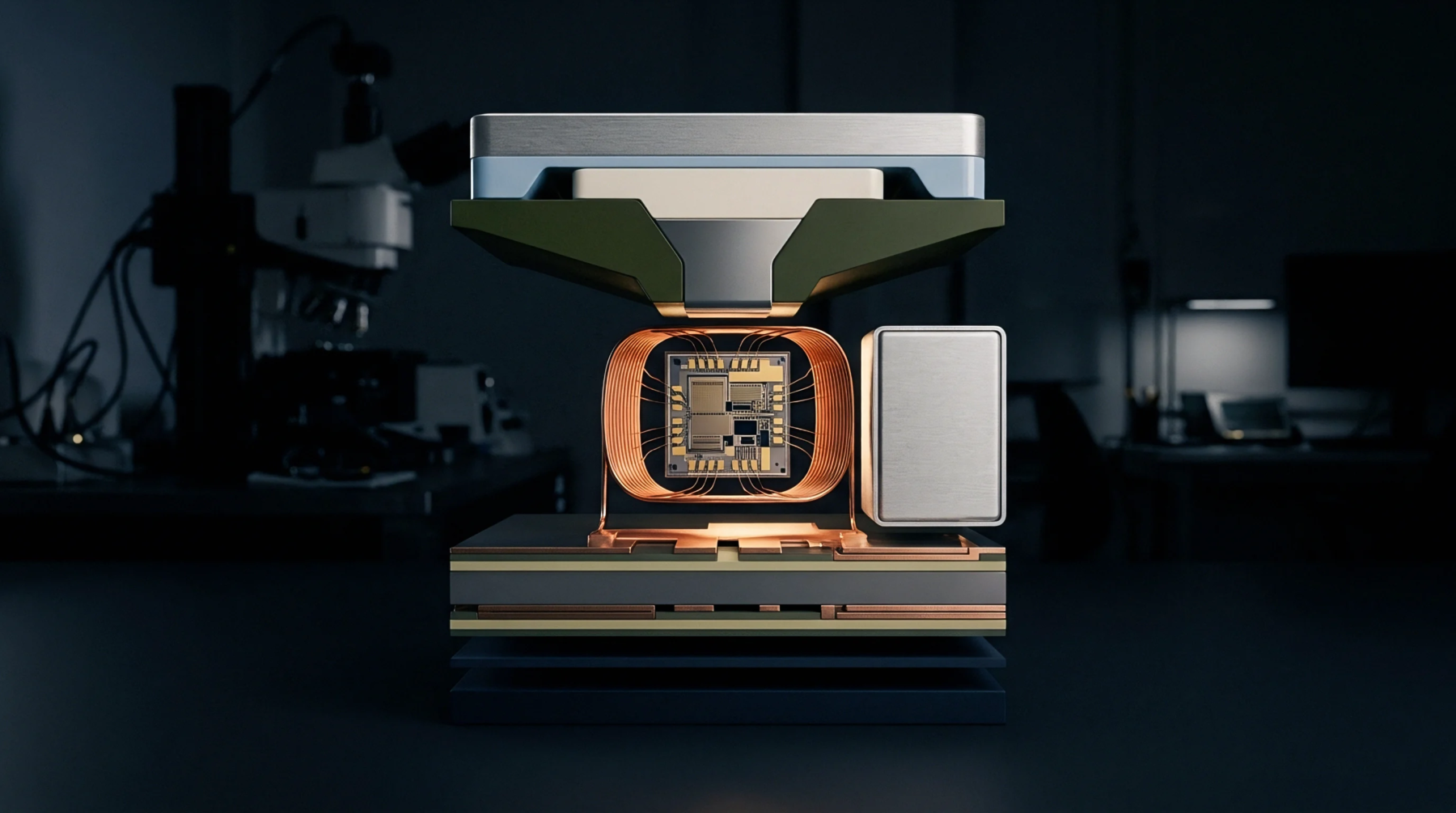
Micro-scale shear creep in die-attach adhesives drives sensor offset drift; selecting high-Tg polymers and thermal pre-aging eliminates costly field recalibration.
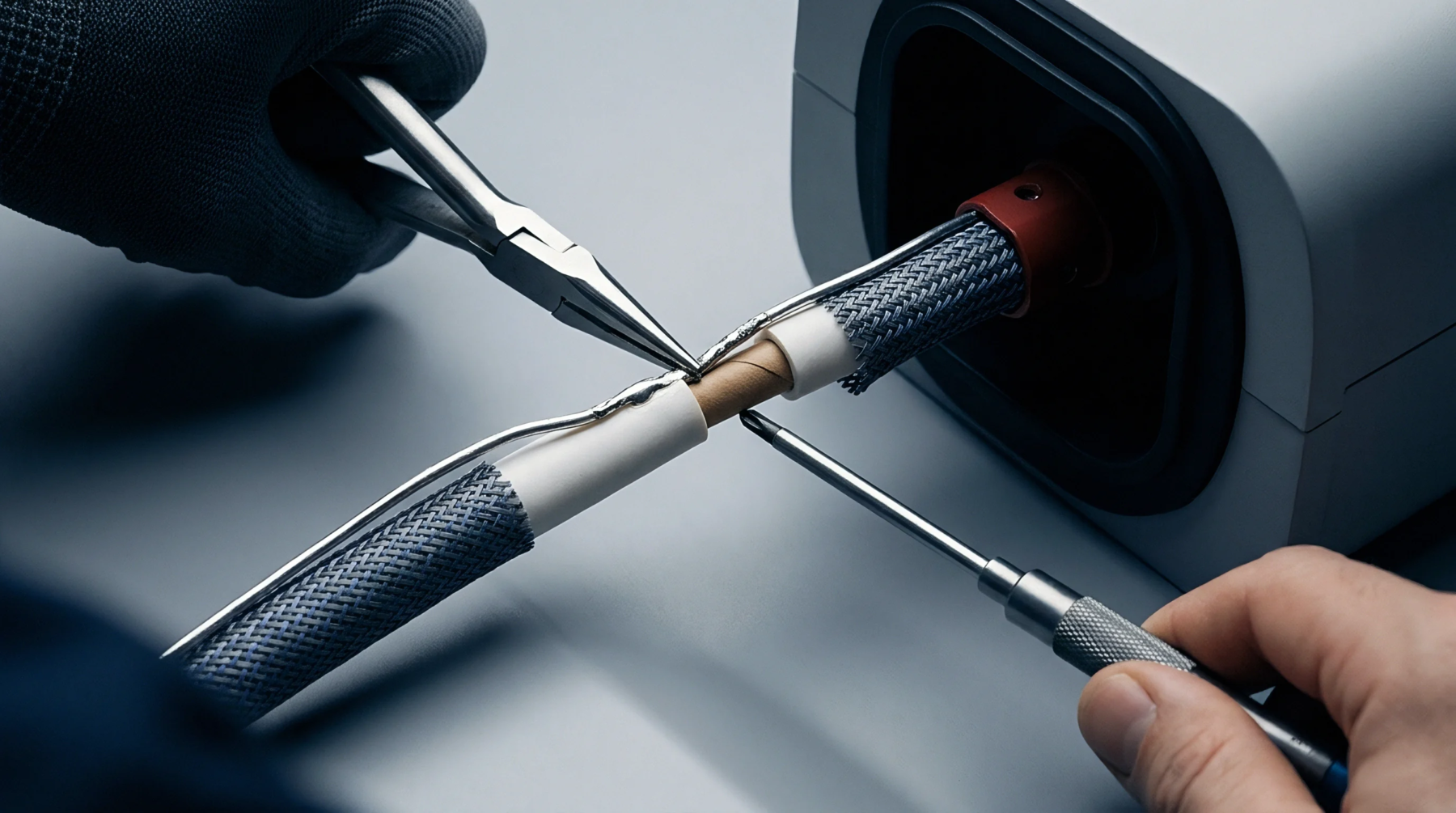
Optimizing bus capacitance demands matching package pin loading and trace geometry against pull-up resistance limits to guarantee rise time margins.
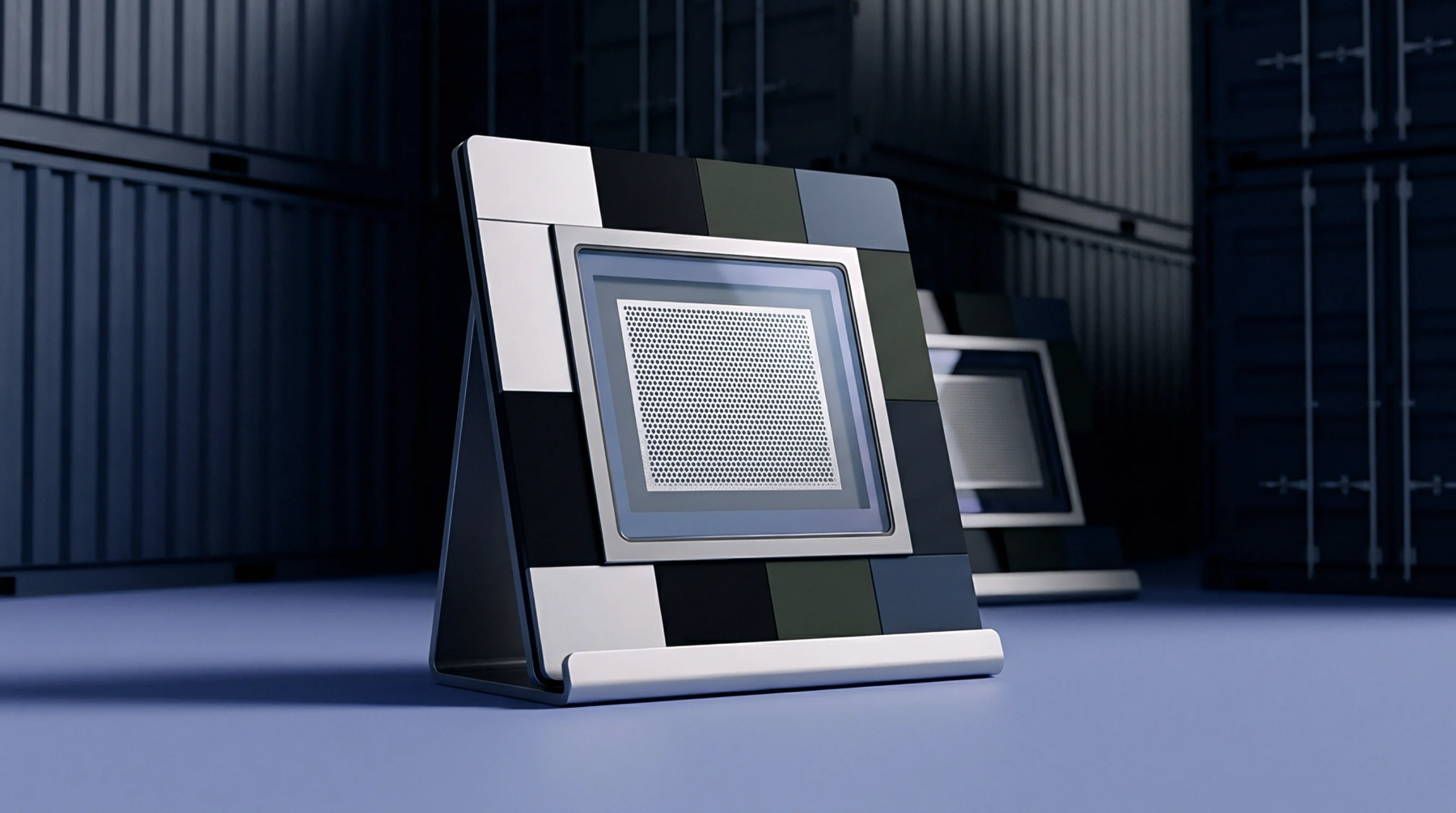
Polymeric sensor packaging viscoelasticity causes long-term zero-point calibration drift, demanding thermomechanical screening and stress relaxation modeling.
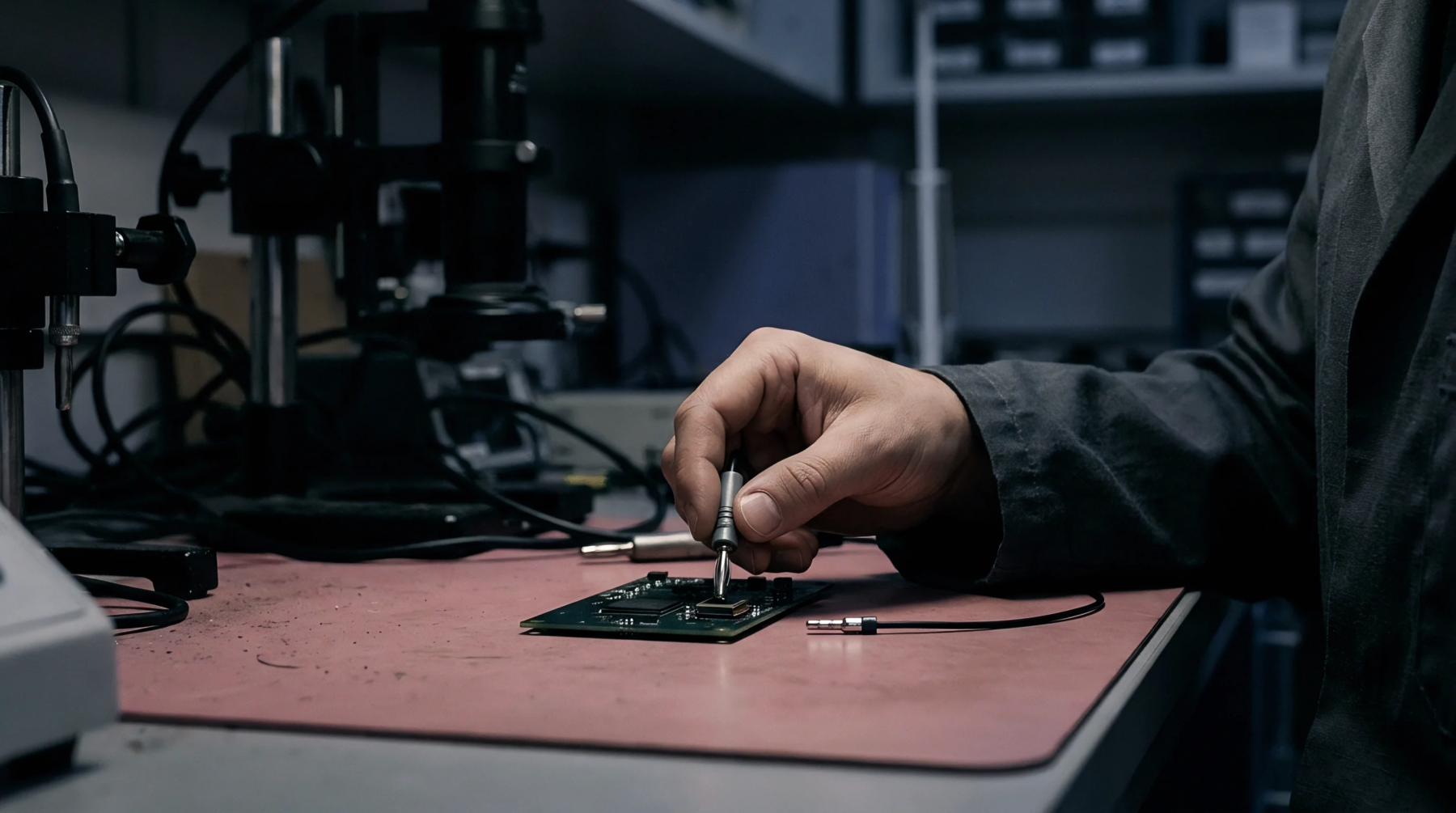
Land pattern calibration adjusts pad geometry for stencil limits and reflow strain to maintain sensor zero-point stability.

Bottom terminated package parasitic isolation requires thermal pad segmentation while mechanical stress drift is suppressed by limiting solder voiding under 10 percent.

Inductive metal inspection resolves surface and subsurface flaws by measuring complex impedance trajectory shifts driven by eddy current diffusion physics.
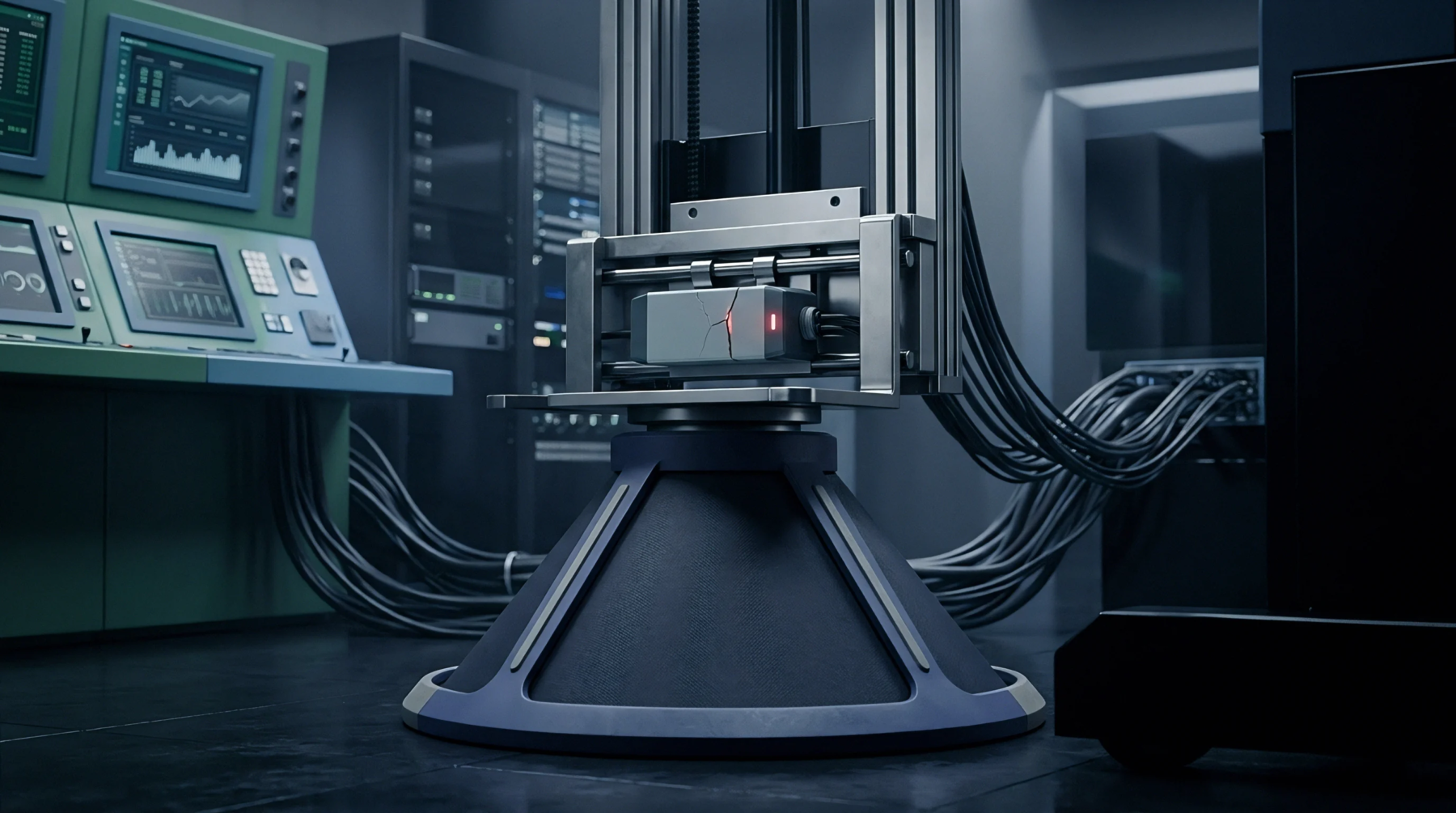
Polymer die attach relaxation changes micro-resonator anchor stress over time, driving bias drift that requires hard eutectic solders or burn-in aging.
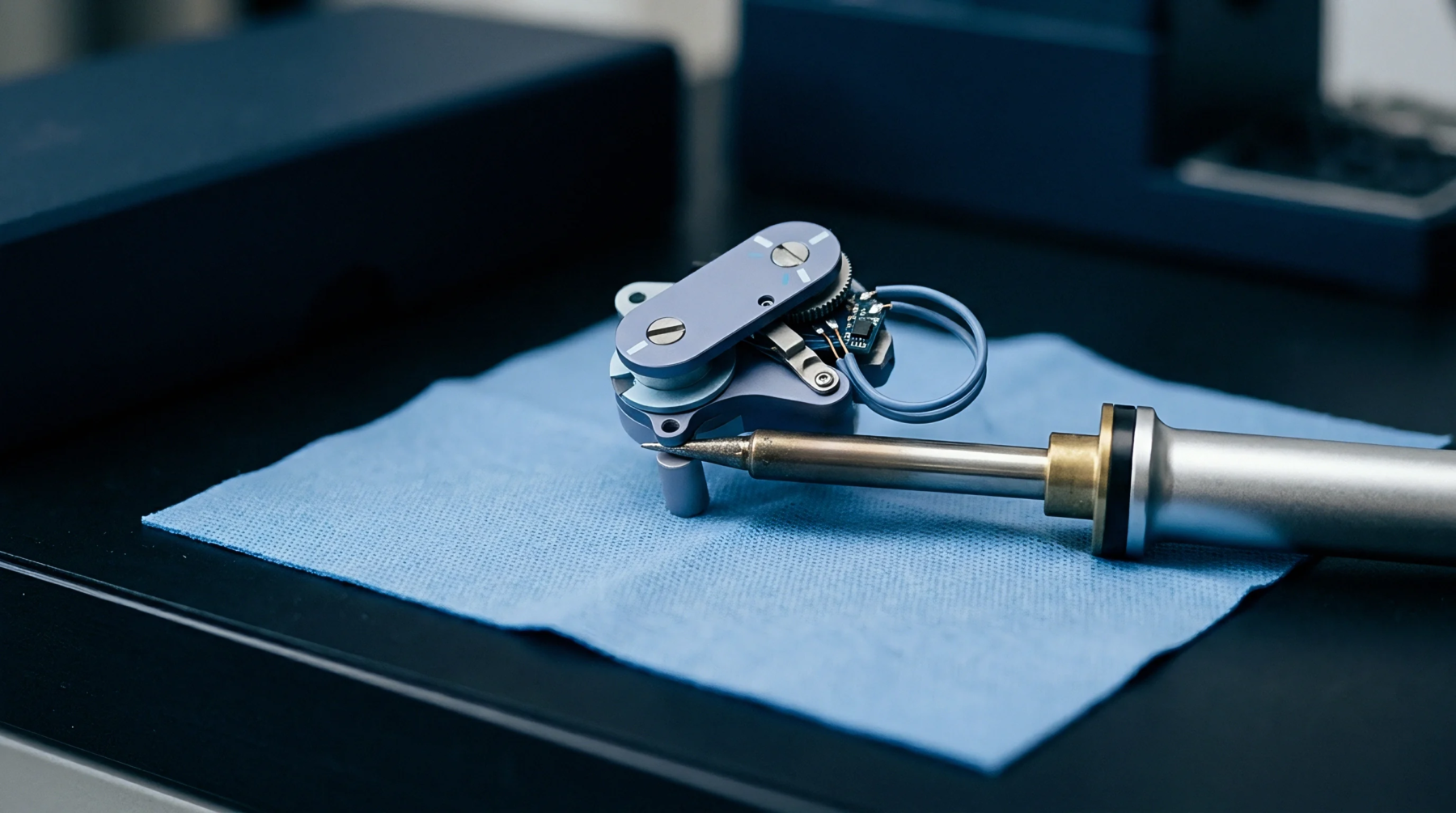
Decoupling non-Fickian moisture swelling from viscoelastic relaxation requires differential reference dies and state-observer firmware to hold zero-point stability.
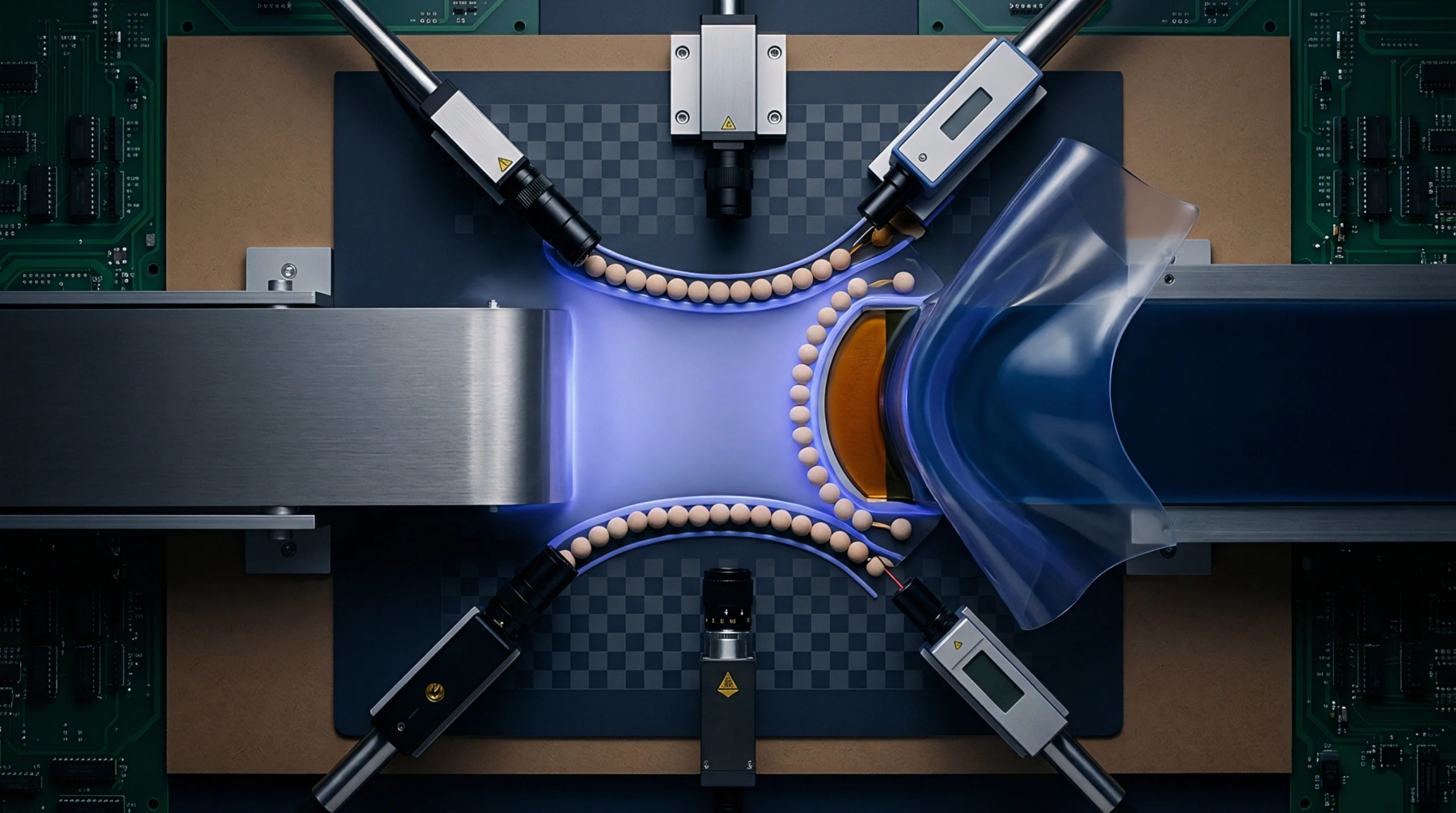
Digital ASIC polynomial compensation corrects pressure module thermal drift by evaluating bivariate surface fit matrices stored in EEPROM over fixed-point ALUs.
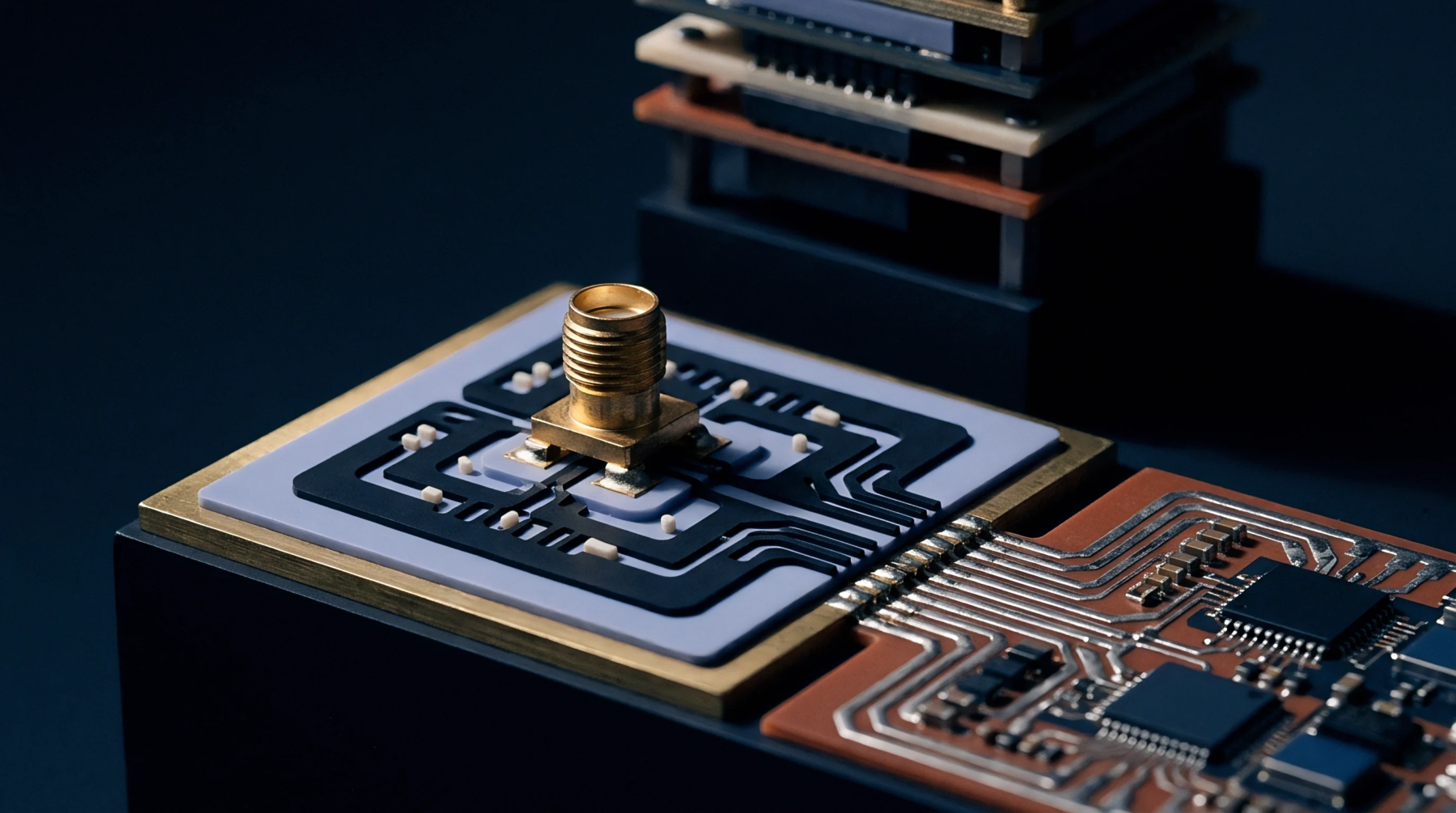
Interconnect parasitic shifts degrade return loss and collapse eye margins, forcing board-level copper compensation and firmware-driven equalization offsets.
On-chip thermal state estimators eliminate MEMS gyro dynamic bias drift by using drive resonance to calculate mass temperature in real time.

Managing integrated Hall sensor offset stability requires isolating piezoresistive package stress from core magnetic remanence across temperature cycles.
Expertise is a utility, not a secret. sentiention™ publishes its working knowledge as open reference: intelligence layer covering the materials it sources, the markets it enters, and the reference that serves both.