
Modeling Moisture Diffusion Induced Stress Relaxation in Silicone Encapsulated Pressure Transducers
Moisture ingress into silicone transducer gels induces time-dependent strain and viscoelastic relaxation that shift piezoresistive offset accuracy.

Moisture ingress into silicone transducer gels induces time-dependent strain and viscoelastic relaxation that shift piezoresistive offset accuracy.
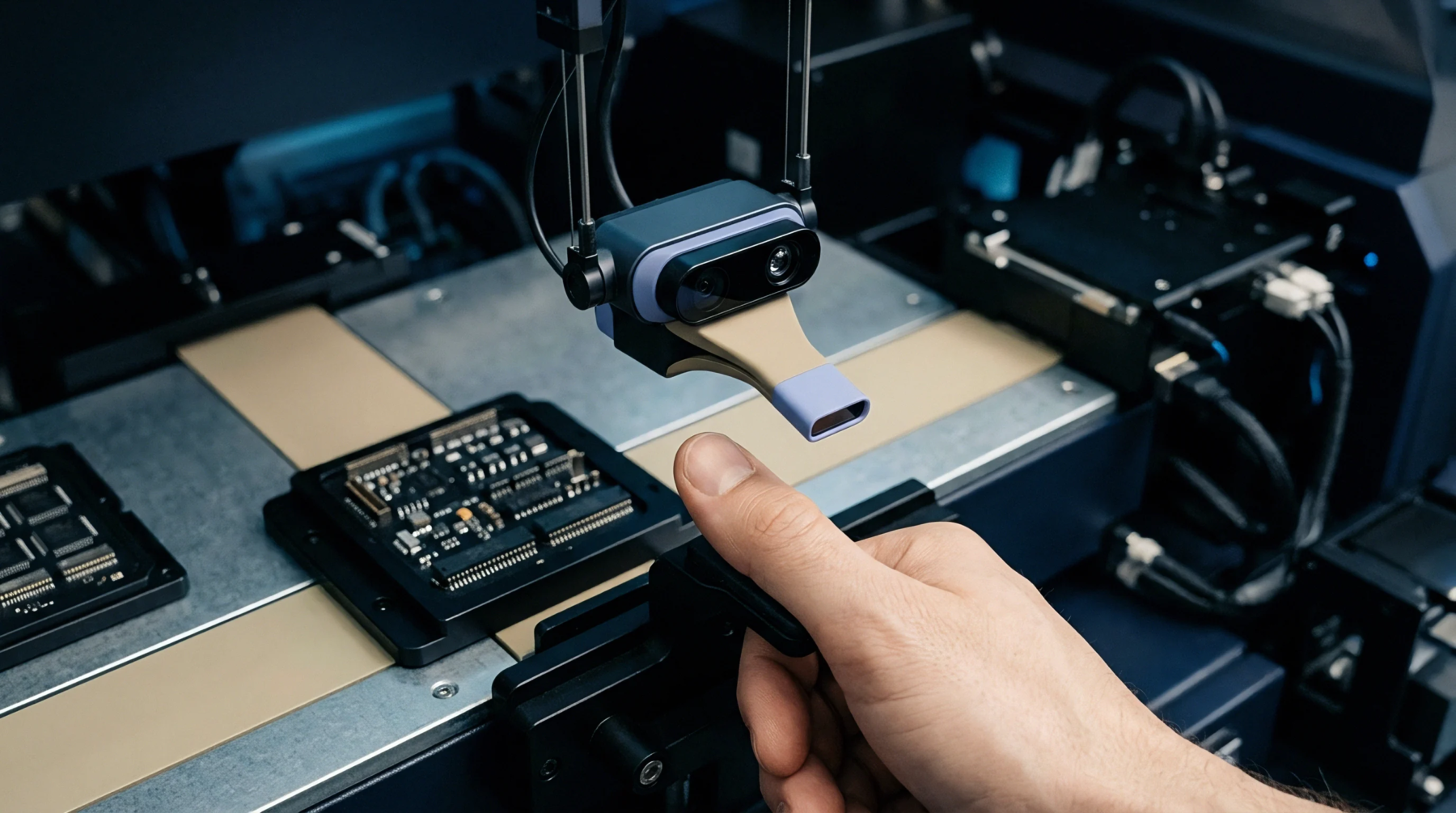
Extract leadless package parasitics using 3D field solvers and route unbroken ground returns under thermal pads to suppress inductive ground bounce.

Sintered silver creep shifts die shear limits under power cycling, demanding Anand viscoplastic parameters tied directly to measured density.
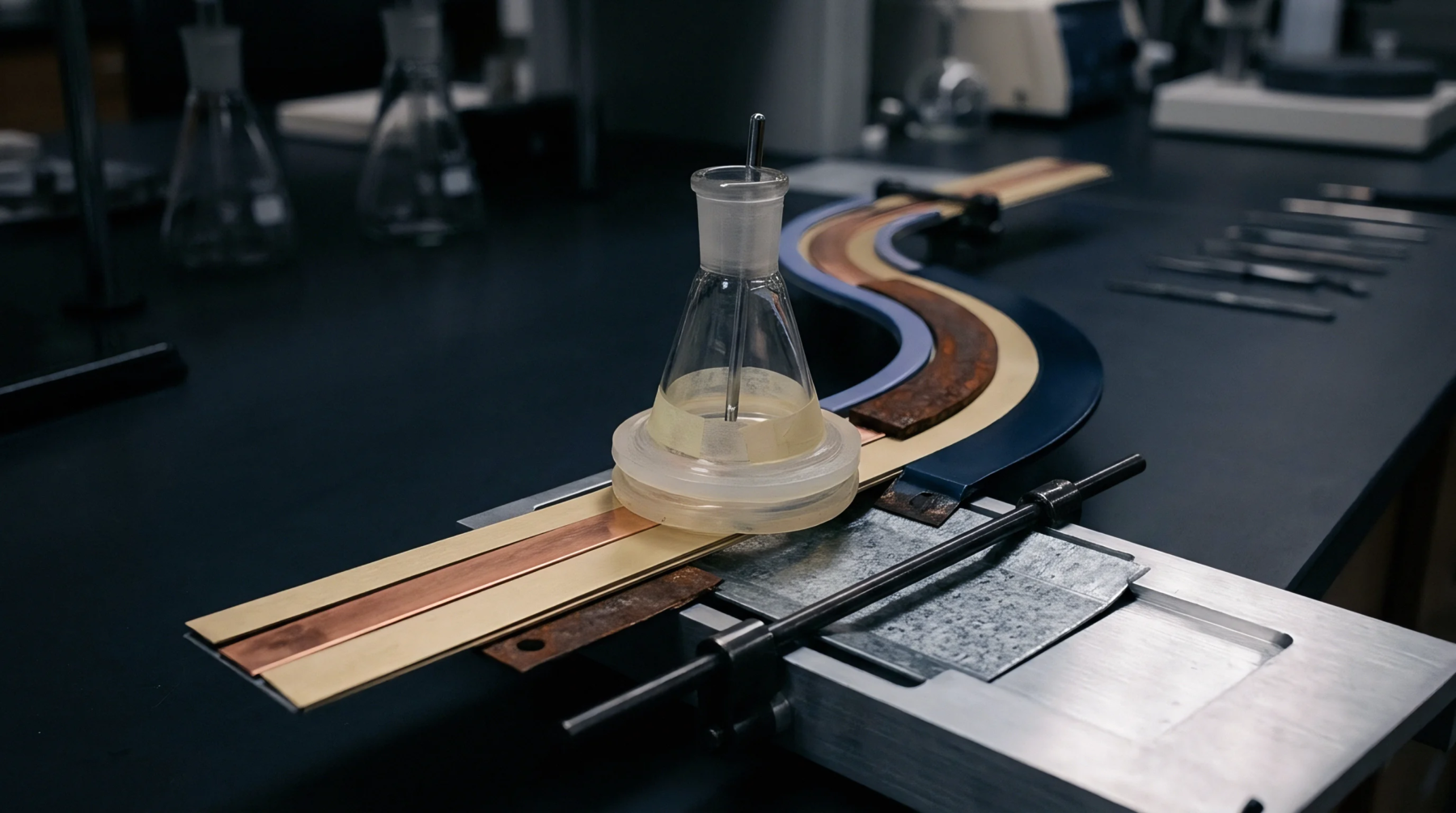
Evaluating common mode transient immunity requires measuring differential displacement noise caused by isolation barrier capacitance under real circuit switching conditions.

Dynamic strain rate matrix models show low-temperature Bi-Sn solders embrittle at impact velocities, requiring micro-alloying or underfill to pass drop audits.

Triaxial strain rosette signal acquisition during depaneling audits requires simultaneous 50 kHz sampling and 10 kHz anti-aliasing filtering to capture true strain peaks.

High side current sensing requires balancing dV/dt transient immunity and isolated bandwidth against decimation filter delay and parasitic trace inductance.

High-temperature epoxy bondlines lose shear stiffness during thermal soak, causing continuous micro-strain span decay and zero drift that require time-based derating.

Dynamic thermal gradient hysteresis in oil-filled pressure transducers stems from fluid expansion lag during temperature ramps, fixable via low cavity volume.
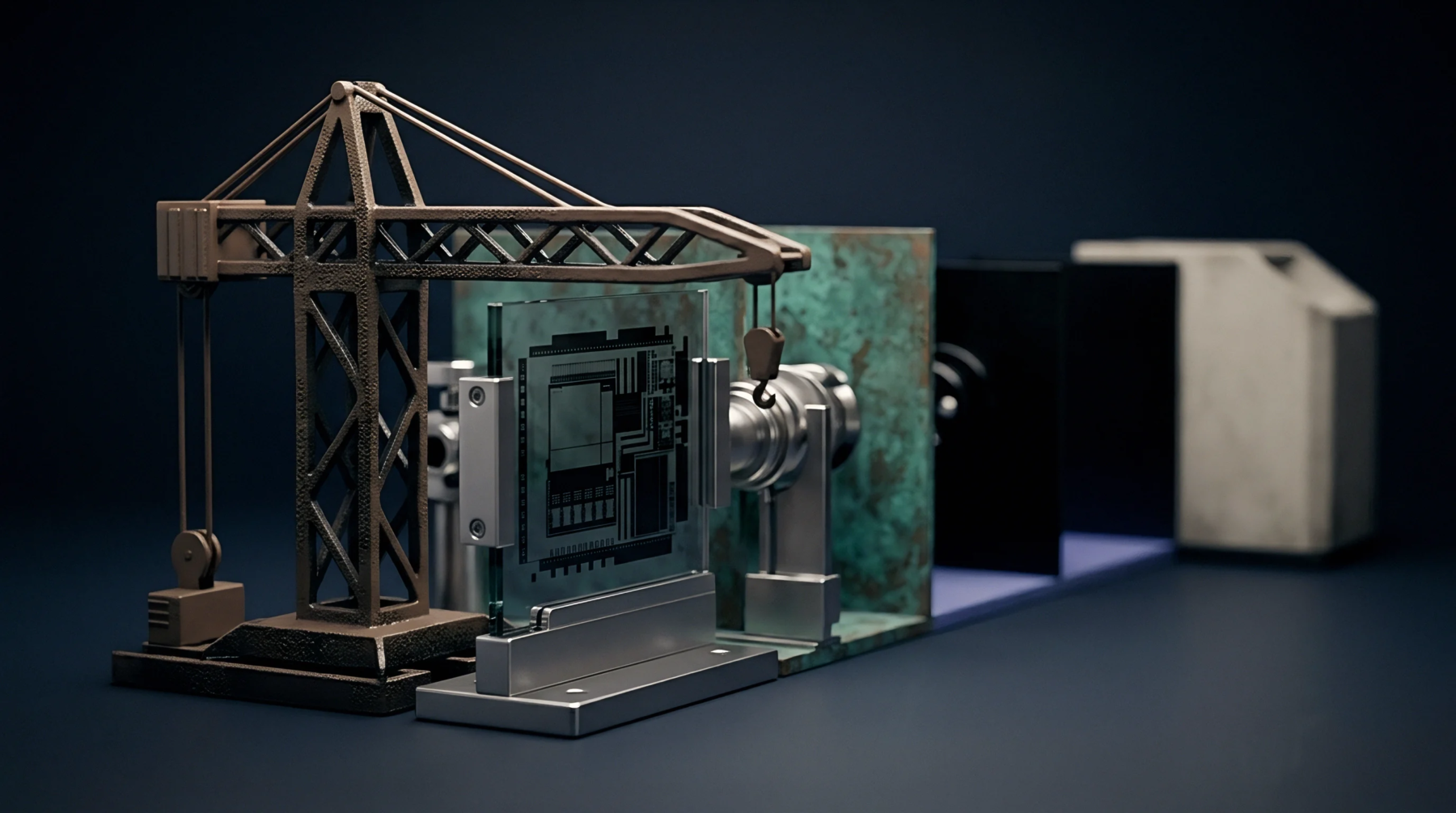
Polymer interface degradation stems from moisture hydrolysis and thermomechanical stress, requiring targeted acoustic screening and activation energy mapping.
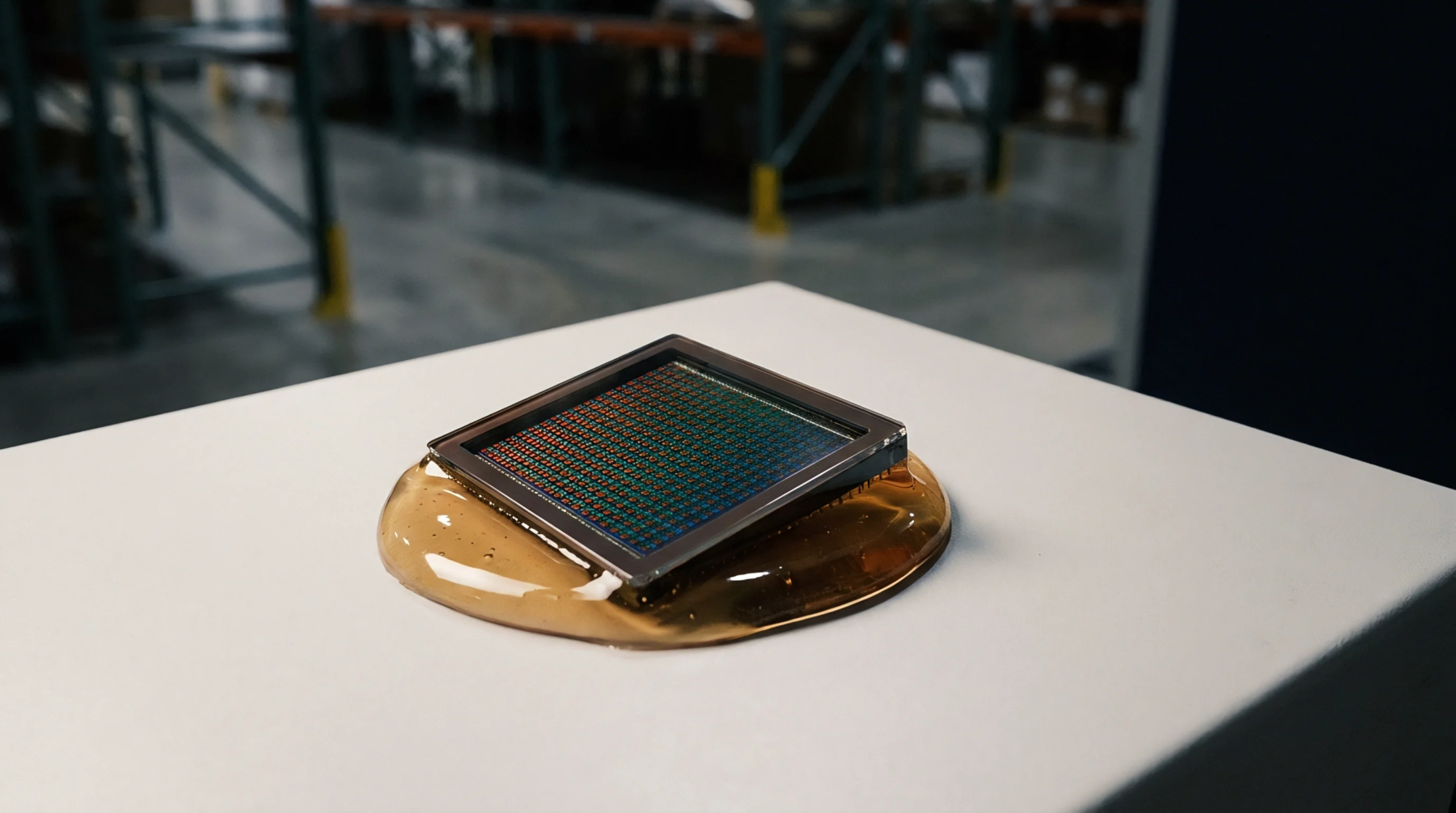
Silicon piezoresistive element selection requires matching doping concentration to signal chain compensation capabilities to handle resistance and sensitivity thermal shifts.
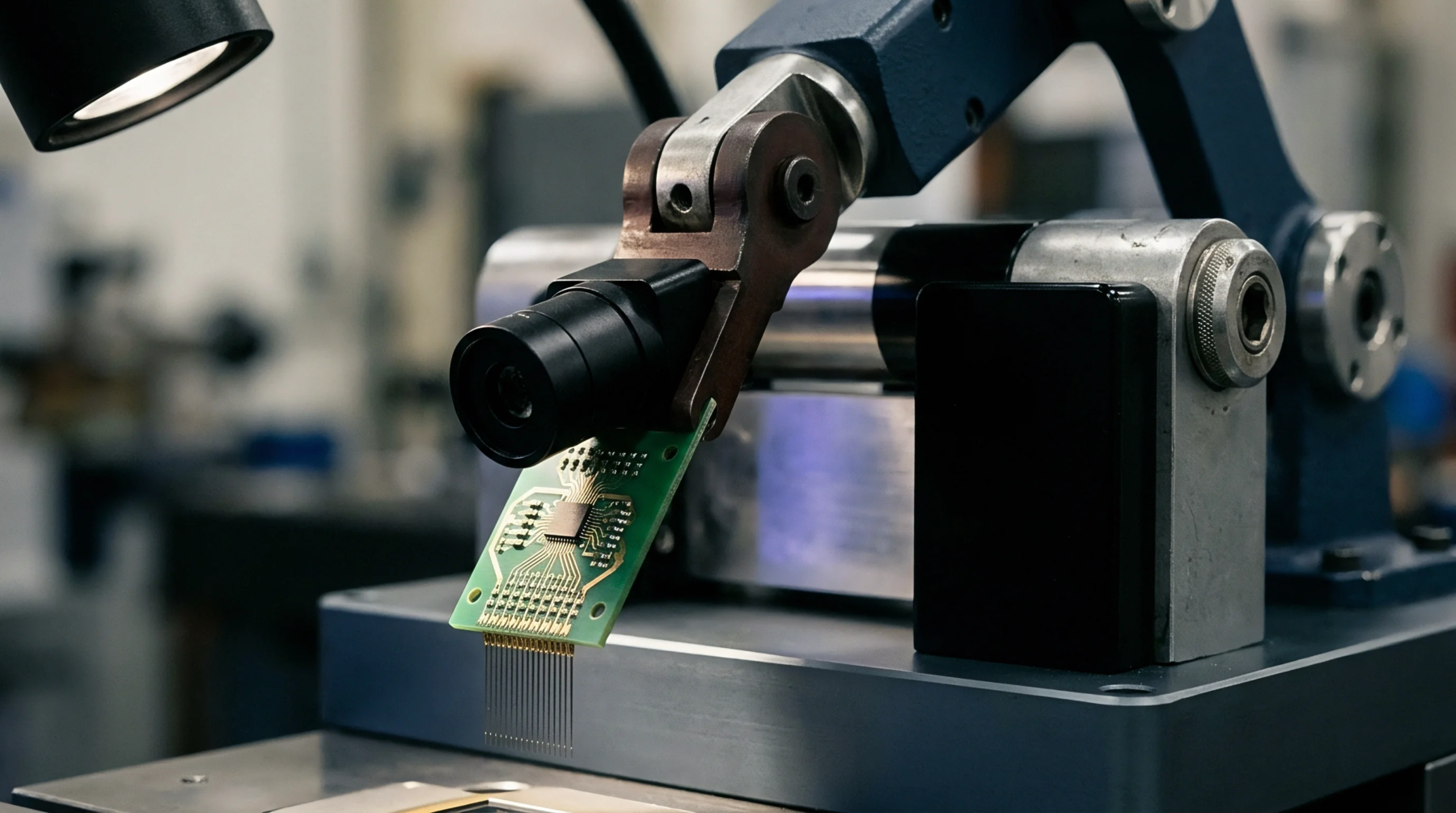
Surface mount strain gauge selection relies on matching package shear modulus, serial bus update rates, and IPC-9704 board strain limits.

Characterizing substrate interface viscoelastic shear relaxation prevents dynamic thermal offset drift and avoids expensive late stage packaging redraws.
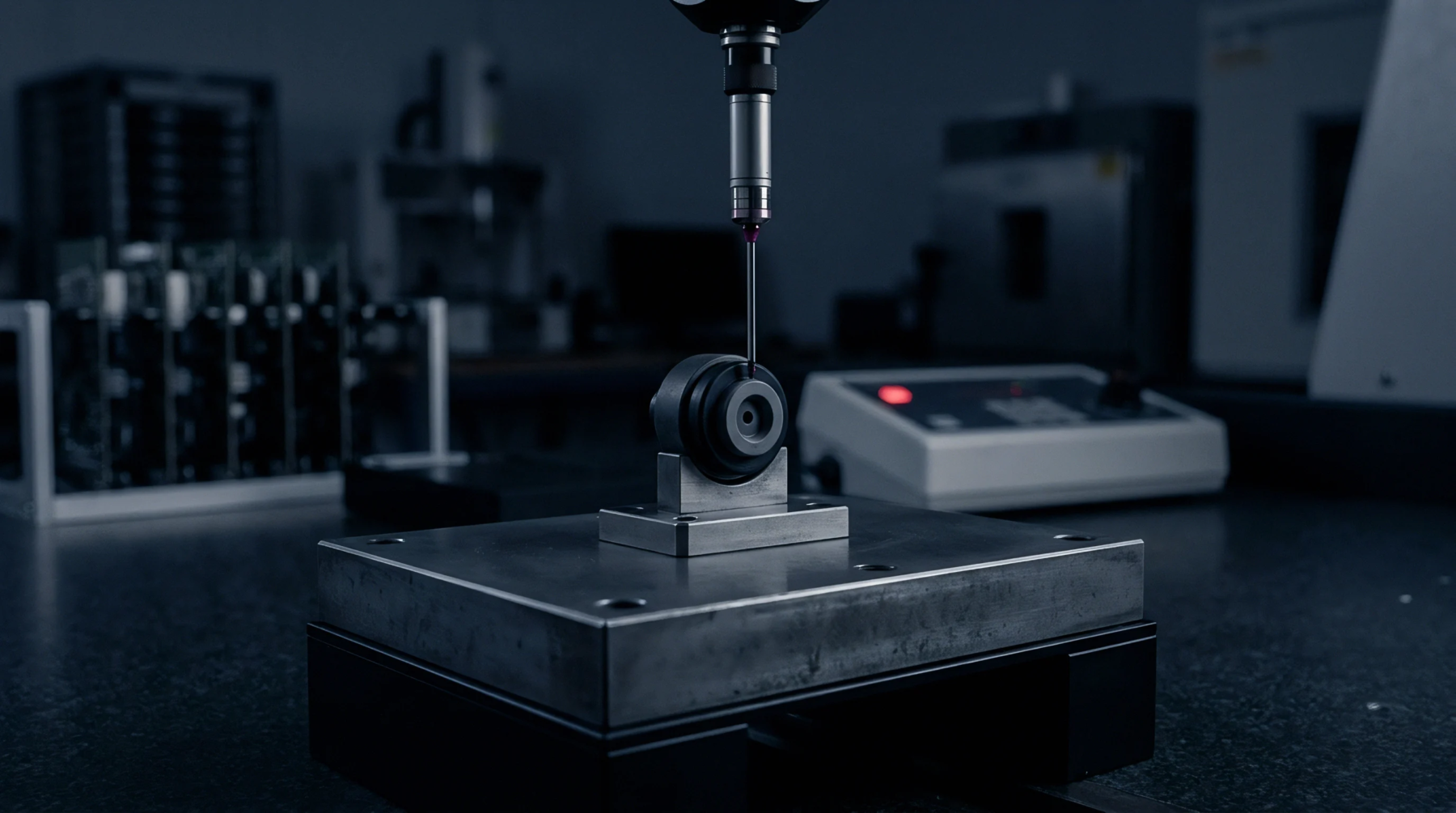
Dynamic thermal gradients in field transfer standards expand calibration uncertainty, requiring calculated ramp lag and axial conduction additions.

Finite element modeling of underfill creep uses Prony viscoelasticity and Anand viscoplasticity to predict and compensate long-term silicon sensor drift.
State space hysteresis modeling lowers multi-axis sensor network drift below zero point zero five percent full scale across thermal cycles.

Polymer viscoelastic stress relaxation in molded MEMS packages causes long-term zero-point offset drift that requires cavity isolation or baked burn-in.
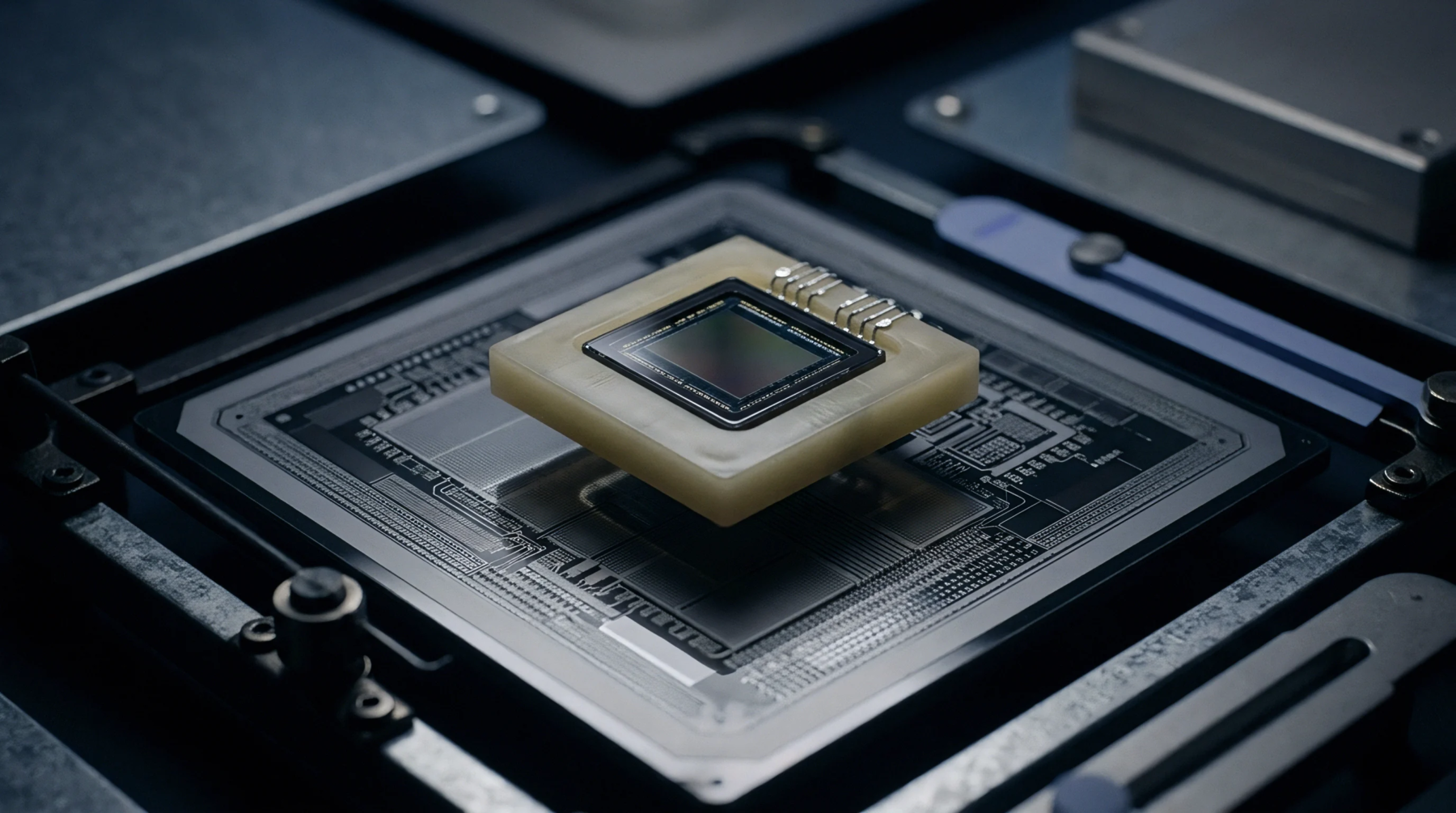
Creep voiding in sintered silver under high-frequency pulsing proceeds by vacancy diffusion and grain growth, accelerating delamination near the die interface.
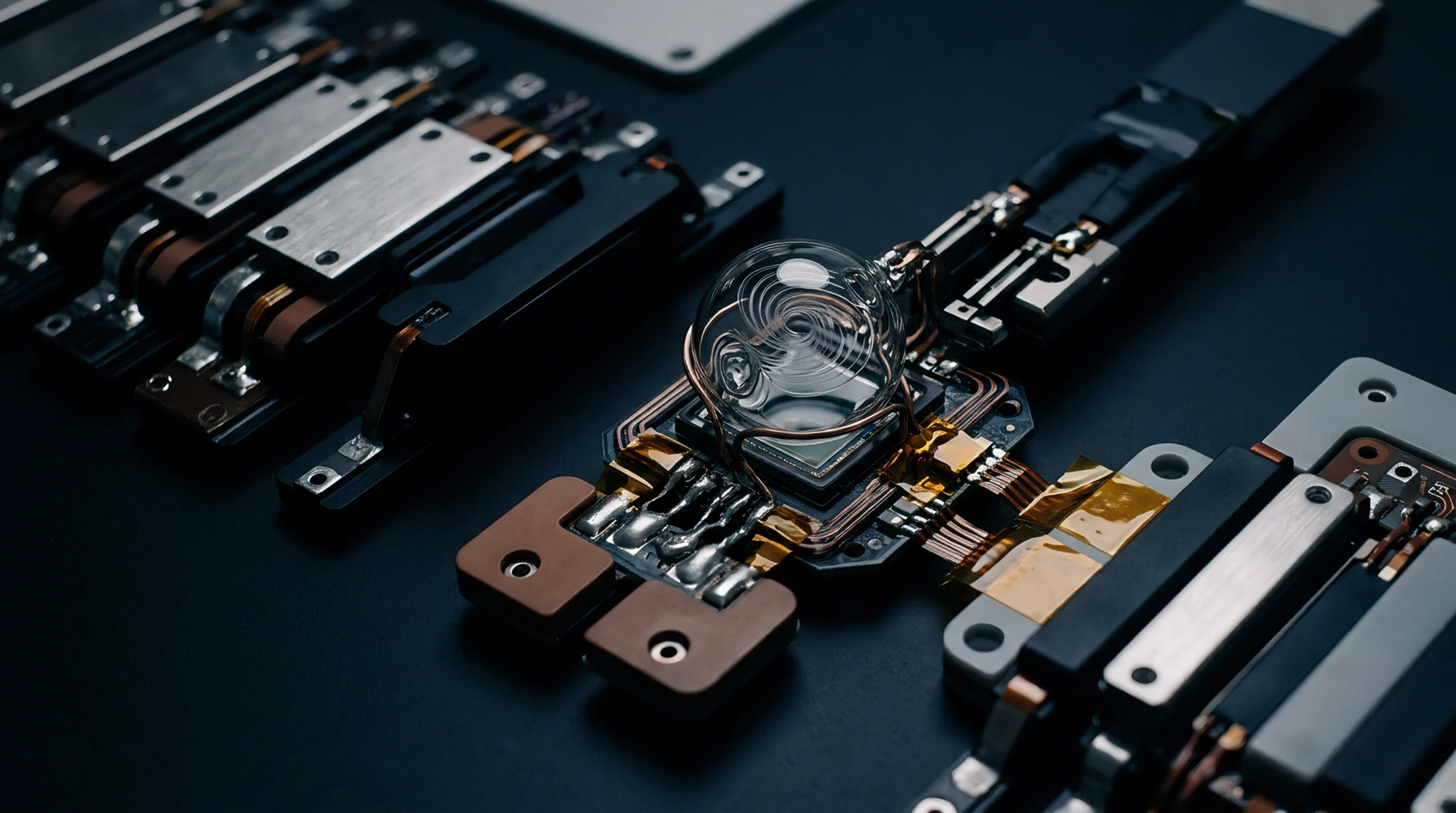
Unbalanced copper planes and high-modulus die attach adhesives in laminate sensor packages cause reflow-induced warpage that shifts piezoresistive zero points.

Wafer level differential structure function extraction pinpoints subsurface crystal and layer defects prior to dicing by deconvolving millisecond thermal step response data into localized thermal capacitance derivatives.

Transient thermal impedance measurement isolates semiconductor die attach voids by deconvolving time-domain cooling curves into spatial structure functions.

Augmenting transient observer state vectors with nonlinear Maxwell viscoelastic die attach models eliminates sensor drift between 77 Kelvin and 473 Kelvin.
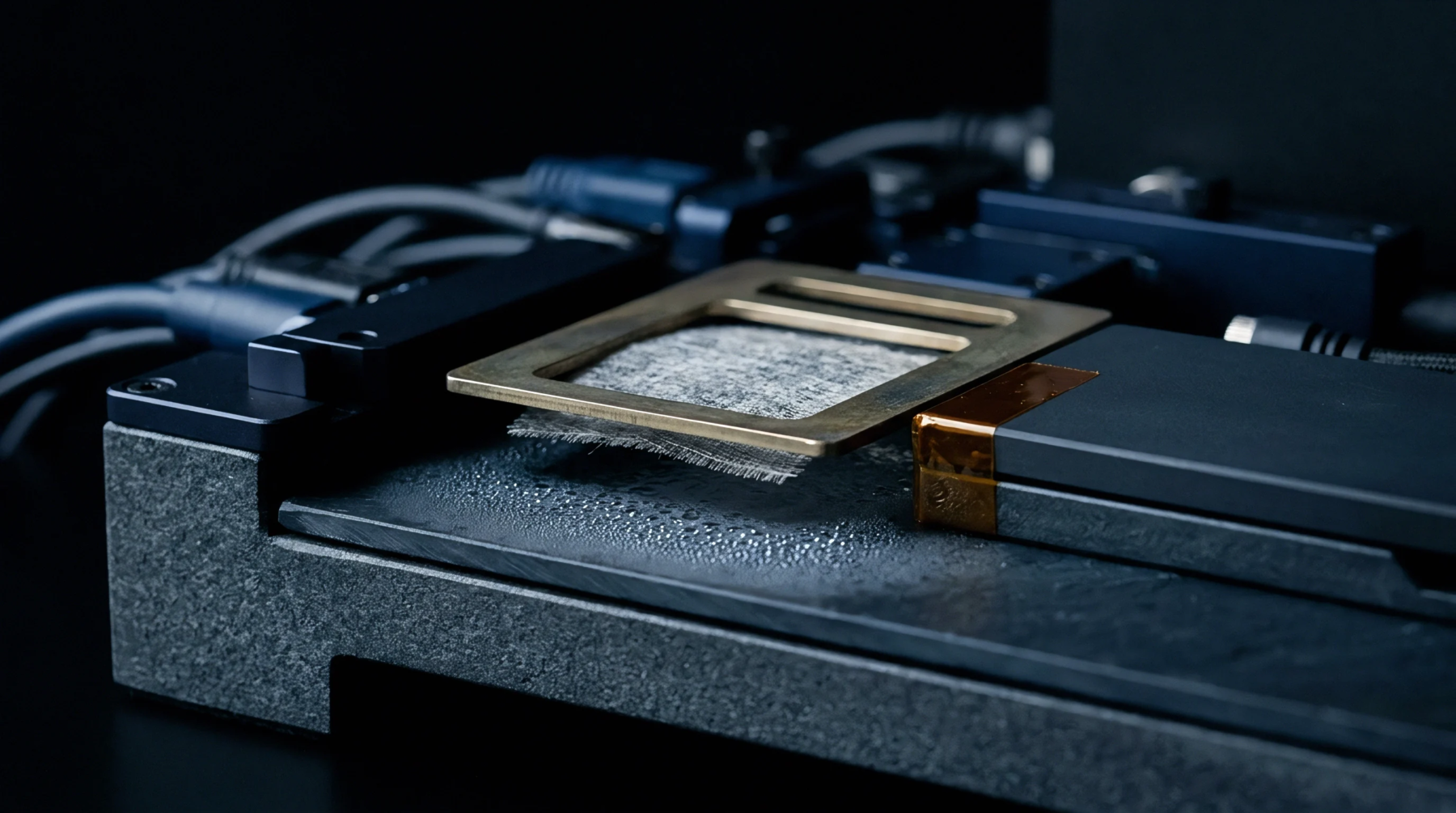
Lumped parameter state space observers reconstruct true sensor inputs by modeling internal transducer dynamic lag in firmware to eliminate delay and phase lag.

Discrete transducer SMT yield loss and calibration costs depend on pad symmetry, post-reflow strain aging, and test cell chamber dwell times.
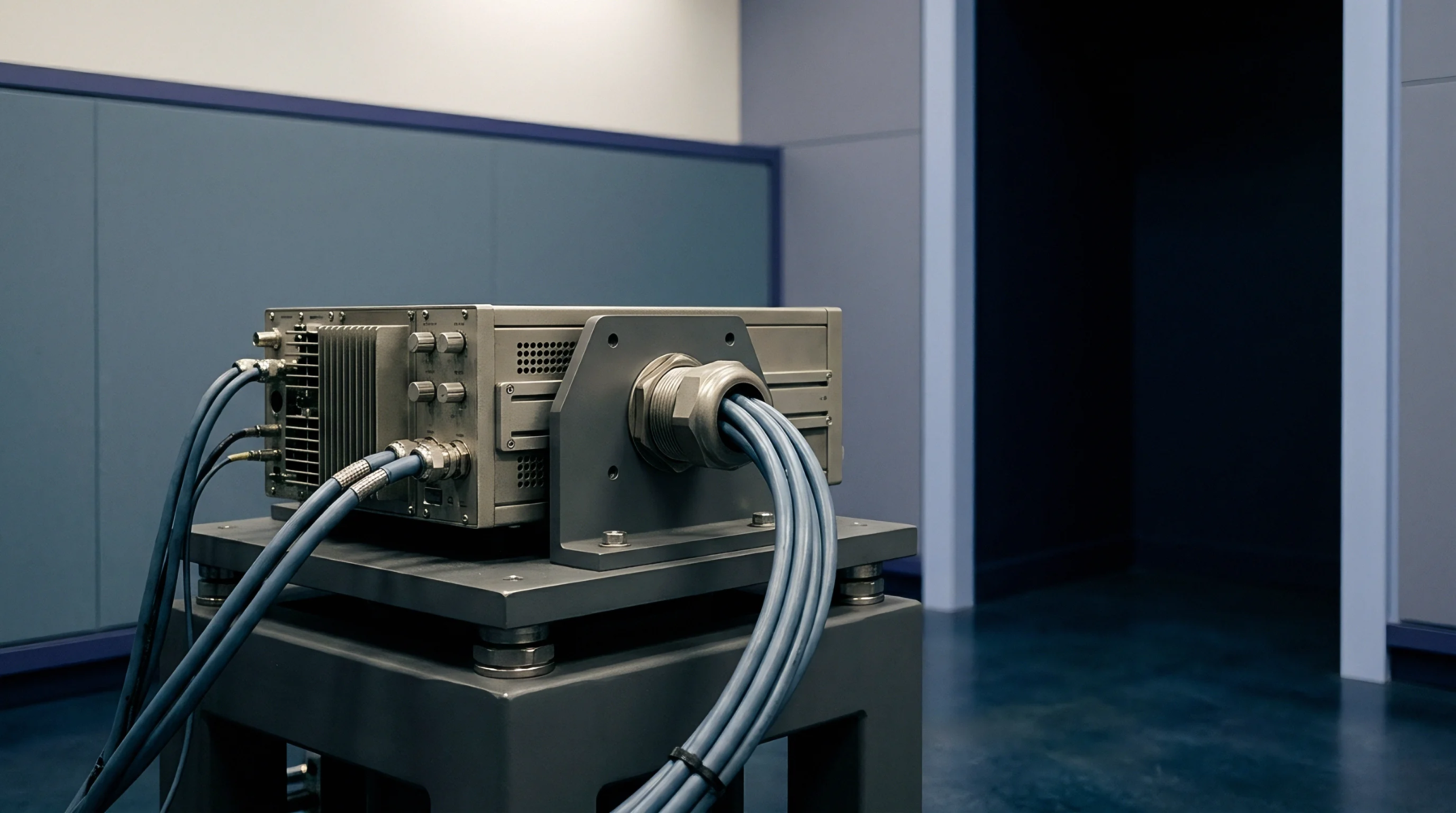
Tactical IMU thermal bias modeling requires combining static higher-order polynomials with real-time temperature derivative terms to eliminate dynamic lag errors.

Sub-micron thermo-mechanical strain in encapsulated accelerometer arrays is mitigated using central anchor suspensions, DRIE isolation trenches, and balanced wafer stacks.

Discrete sensor chip-down integration breaks even above fifteen thousand units where bill-of-materials savings overcome tooling and test fixture outlays.

Automated boundary scan extraction combined with transmissive X-ray die metrology catches silent silicon stepping changes before SMT placement lines fault.

Trap hardware stepping errata by verifying silicon ID registers during boot and driving high-side rail switches to clear frozen bus states.
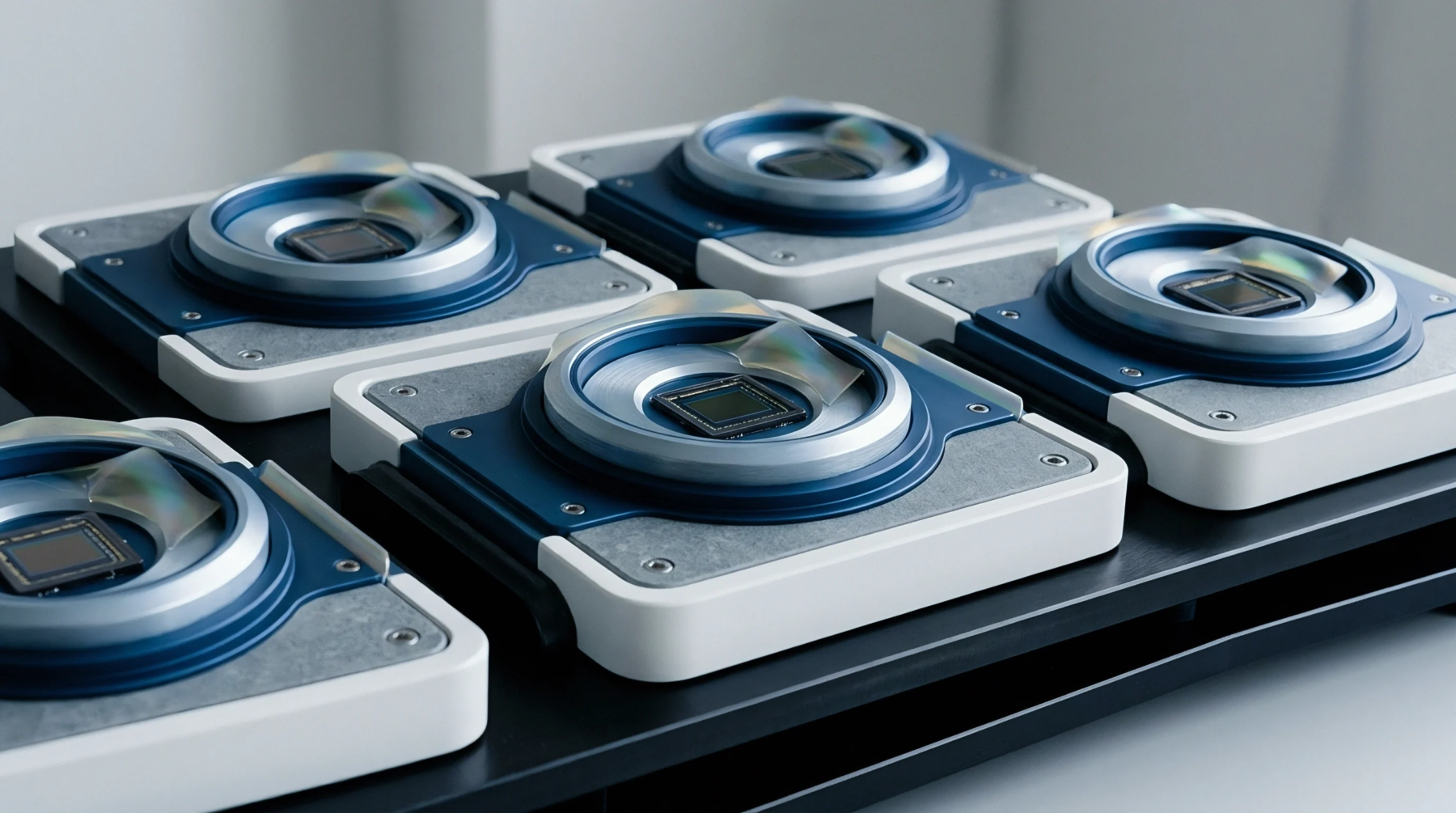
Spatial thermal gradients disrupt differential capacitive balance, requiring symmetric substrate layout and strain isolation to preserve bias stability.
Expertise is a utility, not a secret. sentiention™ publishes its working knowledge as open reference: intelligence layer covering the materials it sources, the markets it enters, and the reference that serves both.