Alloy Composition
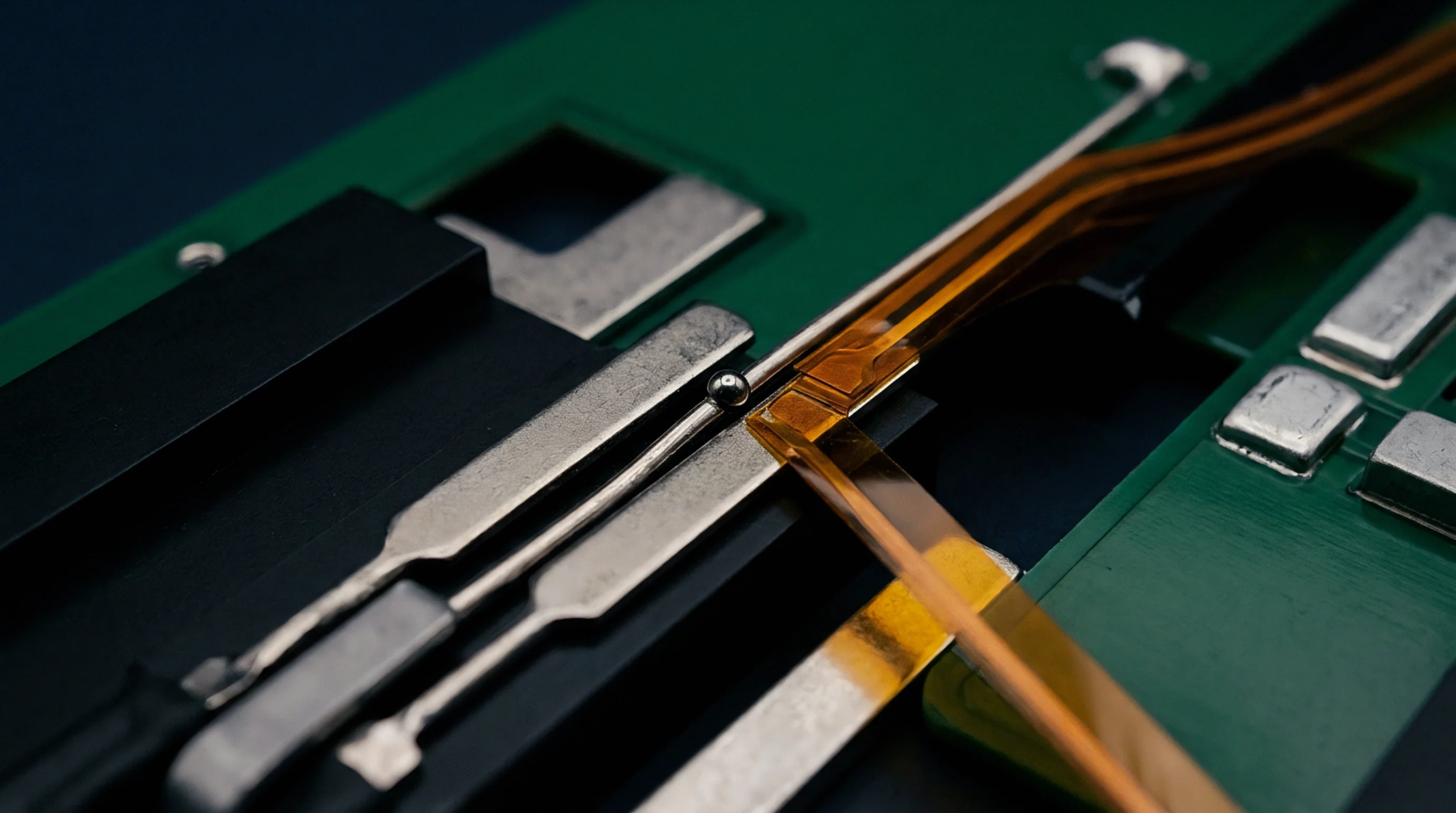
Near-eutectic solder consists of a specific mixture of ninety-six point five percent tin, three percent silver, and zero point five percent copper by weight. The alloy sac305 operates as a lead-free transition material in surface mount assembly processes. High purity standards dictate that trace impurities like lead or cadmium remain below strict atomic levels to ensure joint longevity.
This material replaces traditional tin-lead mixtures to satisfy environmental legislation regarding hazardous substance disposal in printed circuit board fabrication.
Thermal Behavior
Melting characteristics of sac305 define its operational window during reflow processes. The solidus temperature sits at two hundred seventeen degrees Celsius, while the liquidus temperature reaches two hundred twenty degrees Celsius. This narrow plastic range prevents the formation of cold joints during rapid cooling phases.
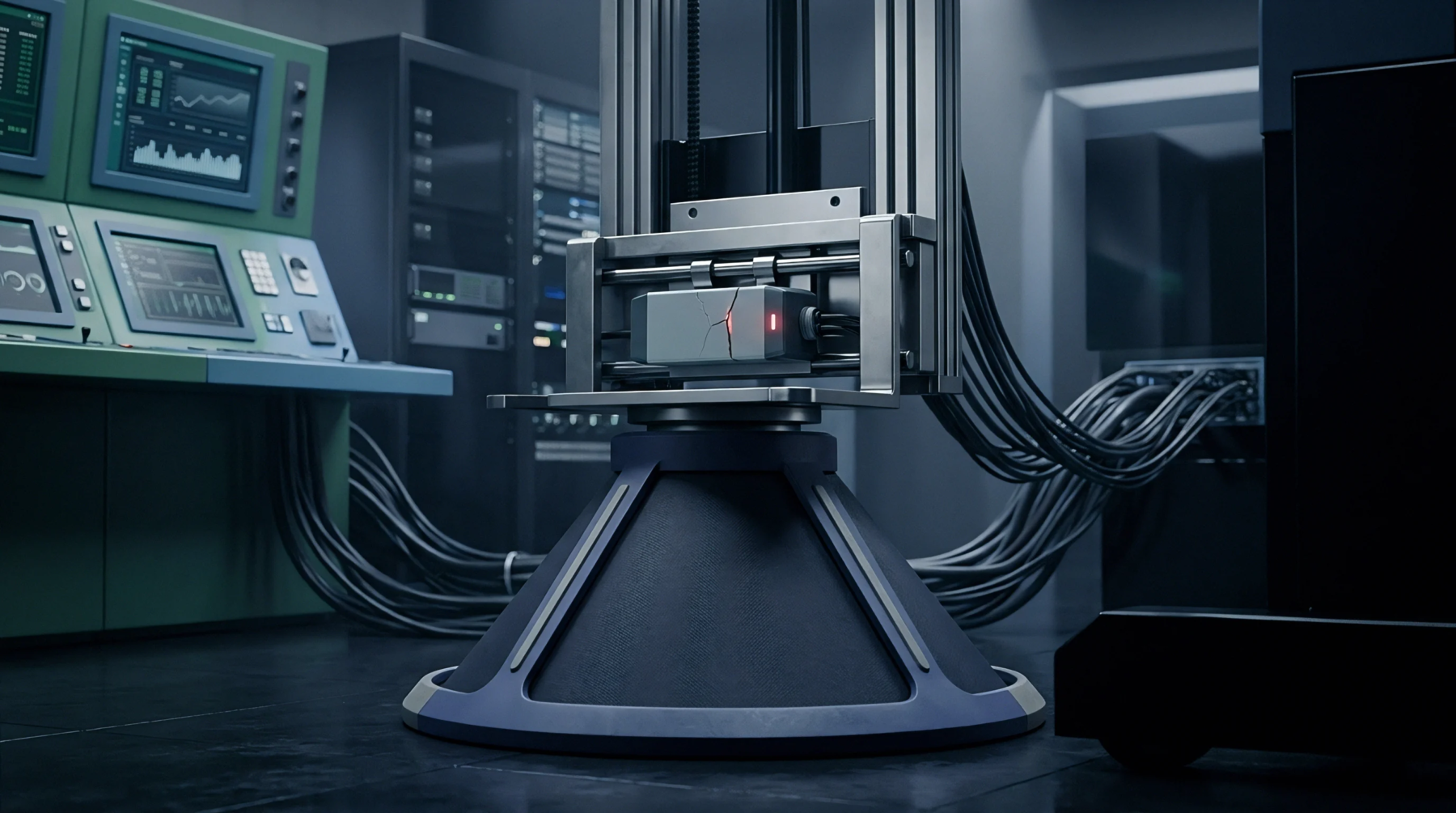
Solder paste manufacturers adjust flux chemistry to optimize wetting forces on copper substrates. Excessive heat exposure degrades the internal grain structure, which increases the likelihood of brittle fracture under mechanical stress. Precise control over the temperature profile prevents oxidation on the metal surfaces before wetting occurs.
Microstructural Integrity
Intermetallic layers develop between sac305 and the nickel-gold or copper finishes of electronic pads. These compounds create a brittle interface that grows over time depending on ambient thermal conditions. Ag3Sn particles distribute through the bulk solder matrix to reinforce the structural frame.
Large cooling rates produce finer grain sizes, while slow cooling promotes larger dendritic growth that reduces fatigue resistance. Manufacturers verify this internal architecture using cross-sectional imaging techniques to assess the quality of the bond. Proper processing ensures that the mechanical strain transfers into the ductile bulk material rather than concentrating at the connection points.
Metrological Reliability
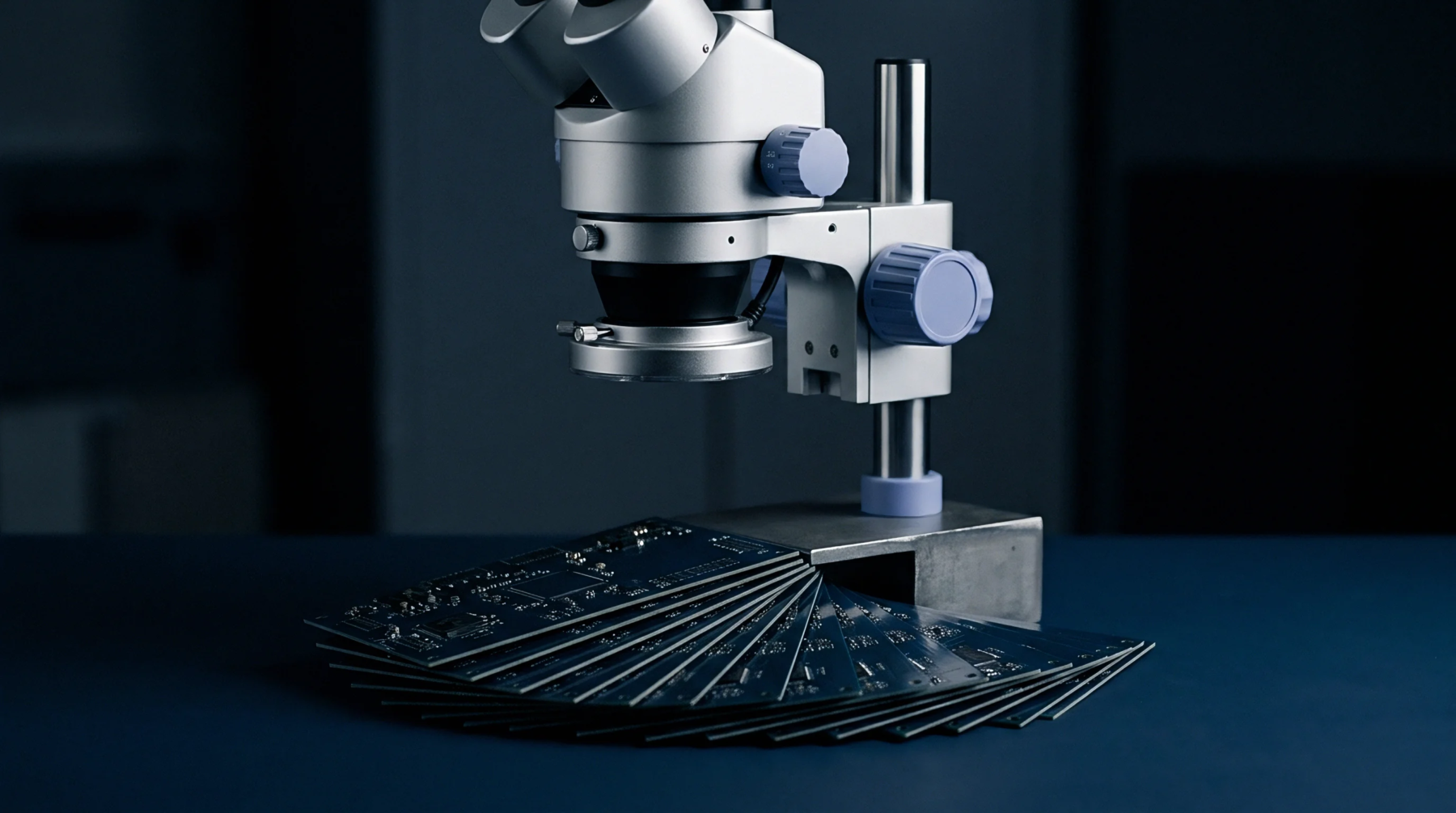
Measurement of joint conductivity depends on the absence of voids and microcracks within the soldered volume. Automated optical inspection equipment detects surface anomalies, though internal structural defects require X-ray tomography for accurate validation. Resistance values remain stable when the metal matrix avoids contamination from extraneous base metals.
Calibration standards for testing equipment focus on the consistent response of electrical signals across varied surface finishes. Drift in conductivity signals indicates excessive oxidation or the presence of non-conductive flux residues trapped within the solder fillet. Verification of these electrical parameters occurs after the reflow cycle to distinguish between assembly errors and raw material deviation.
Standardizing the cooling rate limits the growth of excessive intermetallic compounds that otherwise increase electrical impedance. The material provides a stable metallic connection for high density interconnects under moderate environmental loads.